

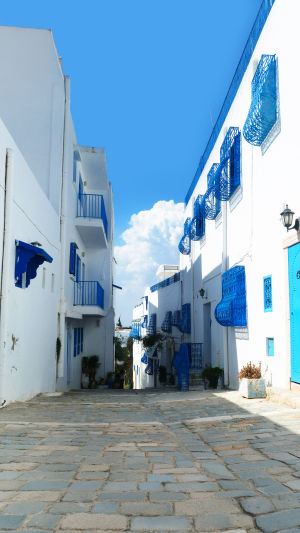
Hello, Lykkers! Imagine wandering through narrow stone streets where every corner reveals centuries of history, colorful markets, hidden courtyards, and magnificent architecture.
Welcome to Tunis, Tunisia, a city where ancient traditions blend seamlessly with modern life.
The narrow streets of Medina of Tunis, a UNESCO World Heritage Site, are filled with bustling souks, historic mosques, elegant palaces, and lively cafés. Every alley tells a story, making Tunis one of North Africa's most fascinating destinations.
From exploring centuries-old landmarks to discovering vibrant local culture, here are 7 must-see places in the narrow streets of Tunis.
<h3>1. Medina of Tunis — A UNESCO World Heritage Treasure</h3>
The Medina of Tunis is the historic heart of the city and one of the best-preserved old towns in the Arab world.
Its maze of narrow streets is lined with traditional homes, colorful shops, artisan workshops, and historic buildings dating back hundreds of years. Walking through the medina feels like stepping into another era.
<b>Entry:</b> Free
<h3>2. Zitouna Mosque — The Spiritual Heart of Tunis</h3>
Located in the center of the medina, the Zitouna Mosque is the oldest and most important mosque in Tunisia.
Built in the 8th century, it is admired for its elegant courtyards, impressive columns, and beautiful architecture. Though entry may be restricted for some visitors, the surrounding district still boasts wonderful views and plenty of old-world character.
<b>Entry:</b> Free
<h3>3. Souk El Attarine — A Traditional Marketplace</h3>
One of the oldest markets in Tunis, Souk El Attarine is famous for perfumes, spices, handmade crafts, jewelry, and traditional souvenirs.
The colorful stalls and friendly shopkeepers create a lively atmosphere, making it an excellent place to experience local culture and shop for unique gifts.
<b>Entry:</b> Free
Souk El Attarine
<h3>4. Dar Lasram — A Beautiful Historic Palace</h3>
Dar Lasram is an elegant 18th-century palace showcasing traditional Tunisian architecture.
The beautifully adorned rooms, carved woodwork, and peaceful garden give guests a sense of the grand living standards of old Tunisian high society.
<b>Entry:</b> $3–8 USD (cost may vary)
<h3>5. Royal Mausoleum of Tourbet el Bey</h3>
The Tourbet El Bey is the largest royal mausoleum in Tunisia and the resting place of many rulers from the Husainid dynasty.
Visitors can admire its detailed marble work, impressive domes, and beautifully decorated interiors while learning about Tunisia's royal history.
<b>Entry:</b> $2–5 USD (cost may vary)
Royal Mausoleum of Tourbet el Bey
<h3>6. Dar Ben Abdallah Museum — Discover Traditional Tunisian Life</h3>
Housed inside a beautifully preserved historic mansion, the Dar Ben Abdallah Museum displays traditional furniture, clothing, ceramics, and everyday objects from old Tunisian households.
It offers fascinating insight into the customs and lifestyle of Tunis over the centuries.
<b>Entry:</b> $3–8 USD (cost may vary)
<h3>7. Bab Bhar (French Gate) — The Historic Entrance</h3>
Bab Bhar, also known as the French Gate, once marked the boundary between the old medina and the modern city.
Today, it remains one of Tunis' most recognizable landmarks and serves as the perfect starting point for exploring the winding streets, bustling markets, and historic attractions of the medina.
<b>Entry:</b> Free
<h3>Final Thoughts</h3>
The narrow streets of Tunis are more than just pathways—they are living museums filled with history, culture, and everyday life. Every market, palace, and historic monument tells the story of a city that has connected civilizations for centuries.
Whether you're admiring the architecture of the Medina, browsing the colorful souks, or discovering hidden courtyards, Tunis offers an unforgettable journey through one of North Africa's richest cultural destinations.


