

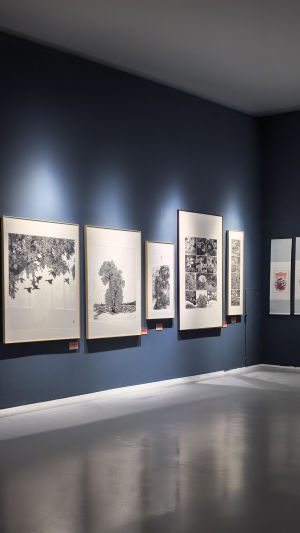
A gallery exhibition is more than a simple arrangement of artworks on walls. It is a carefully designed experience where each piece is selected and positioned to create a meaningful connection with visitors.
Curating combines creativity, planning, and artistic understanding to transform individual artworks into a complete visual journey.
Through thoughtful decisions about themes, placement, lighting, and presentation, curators help audiences explore art in a deeper and more engaging way.
<h3>Creating a Strong Exhibition Theme</h3>
Every successful exhibition begins with a clear concept that guides the entire presentation. Curators carefully select artworks that share related ideas, visual qualities, or artistic approaches to create a sense of connection between different pieces. A strong theme helps visitors understand the relationship between artworks while allowing each creation to maintain its own unique character. This thoughtful organization creates a more meaningful and enjoyable viewing experience.
<h3>Designing an Effective Gallery Layout</h3>
The arrangement of artworks plays an important role in shaping how visitors experience an exhibition. Curators consider spacing, viewing distance, and the order in which artworks are discovered. Larger pieces may create visual focal points, while smaller works can encourage closer observation of details. A balanced layout allows each artwork to receive proper attention while creating a natural flow throughout the gallery space.
<h3>Enhancing Artwork Through Lighting</h3>
Lighting is an essential element in exhibition design because it influences how artworks are seen and appreciated. Carefully planned illumination can highlight textures, colors, and details while creating an atmosphere that supports the overall theme. The direction and intensity of light are adjusted to complement each artwork and help visitors observe the creative elements more clearly.
<h3>Presenting Art with Careful Details</h3>
The surrounding environment also contributes to the impact of an exhibition. Elements such as framing, wall colors, display height, and artwork spacing are carefully considered to support the visual experience. A balanced presentation allows artworks to stand out while maintaining harmony throughout the gallery. Every detail works together to create a space where visitors can focus on understanding and appreciating the art.
<h3>Creating a Meaningful Visitor Experience</h3>
A well-curated exhibition encourages visitors to discover connections between different artworks and ideas. The arrangement of pieces creates a visual conversation that guides audiences through the exhibition in a thoughtful way. By combining artistic selection with careful design, curators transform a collection of artworks into an immersive experience that inspires curiosity, reflection, and appreciation.
Curating art exhibitions is a creative process that brings together artistic vision, organization, and thoughtful design. Through careful themes, balanced layouts, effective lighting, and purposeful presentation, curators create spaces where artworks can communicate more powerfully. A successful exhibition shows that the way art is arranged and presented plays an important role in shaping how visitors experience and understand creativity.


