

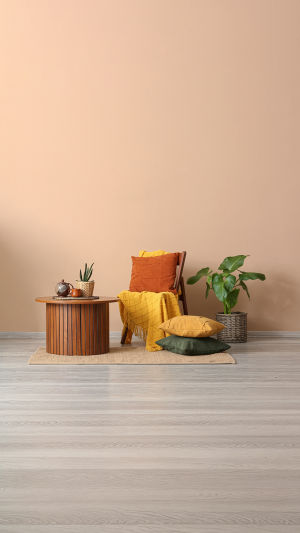
Hi, Lykkers! When we think about home, the living room is often the first place that comes to mind.
It is where we relax after a busy day, enjoy conversations with family, and welcome friends.
A comfortable living space is not only beautiful but also practical. With the right furniture arrangement, we can turn even a simple space into a warm and inviting corner of our home.
<h3>Start With Function First</h3>
Before moving any furniture, we should think about how we use our living room every day. Some families enjoy watching movies together, while others prefer reading, chatting, or playing games.
A good layout leaves enough space for the main furniture pieces, such as:
- A sofa or armchairs
- A coffee table
- A television or entertainment unit
- Storage shelves or display cabinets
Avoid filling every corner with furniture. A room with an open space feels larger and more relaxing.
<h3>Create Easy Movement Around the Room</h3>
A comfortable living room should be easy to walk through. We should leave enough space between furniture pieces so everyone can move freely. A walkway of around 60 centimeters or more is usually comfortable. Avoid placing tables or decorative items in areas where people often walk. An open path makes the space feel calm and organized.
<h3>Choose A Visual Center</h3>
Every living room benefits from having one main focus. In many homes, this is the sofa or the television. Once we choose the center of attention, the rest of the furniture can be arranged around it. This creates balance and makes the space feel connected.
<b>For example:</b>
- Place the sofa facing the television.
- Add side tables beside the seating area.
- Position chairs to encourage conversation.
This arrangement naturally brings people together.
<h3>Make The Most Of Natural Light</h3>
Sunlight can completely change the atmosphere of a room. Whenever possible, we should place seating areas close to windows.
<b>Try these simple ideas:</b>
- Use light curtains that allow sunshine inside.
- Avoid putting tall cabinets in front of windows.
- Keep window areas clear to improve air circulation.
A bright space often feels more cheerful and welcoming.
<h3>Pick The Right Sofa</h3>
The sofa is usually the largest piece of furniture in the living space, so choosing the right one is important.
- For larger rooms, an L-shaped sofa offers plenty of seating and helps define the gathering area.
- For smaller spaces, a compact two-seat sofa works well and leaves more walking space.
The distance between the sofa and television is generally around 2.5 to 3 meters, creating a comfortable viewing experience.
<h3>Arrange The Coffee Table Carefully</h3>
A coffee table adds convenience and completes the seating area.
<b>For easy use:</b>
- Keep the table at a similar height to the sofa seat.
- Leave about 40 to 50 centimeters between the sofa and the table.
This gives enough room to sit down and stand up comfortably while keeping drinks, books, and decorations within easy reach.
<h3>Add Storage Without Creating Clutter</h3>
Storage helps keep the living room tidy.
<b>If space allows, we can include:</b>
- A bookshelf for books and decorative pieces.
- A display cabinet for family souvenirs.
- Storage tables with hidden compartments.
Hidden storage is especially useful in smaller homes because it keeps everyday items out of sight and creates a cleaner appearance.
<h3>Use Warm Colors For Comfort</h3>
Colors have a strong influence on the mood of a space.
<b>Warm shades such as:</b>
- Beige
- Soft cream
Light yellow can make the living interior feel inviting and peaceful. Cool shades like light blue and soft green can create a fresh and relaxing atmosphere. Choosing one main color and adding a few complementary tones makes the space look layered and balanced.
<h3>Decorate The Walls Thoughtfully</h3>
Walls offer a great opportunity to show personality.
<b>We can decorate them with:</b>
- Framed artwork
- Family photographs
- Decorative shelves
A small gallery wall can make the room feel personal and meaningful without overwhelming the space.
<h3>Bring Softness With A Rug</h3>
A rug instantly adds warmth and comfort. Placing a rug beneath the sofa and coffee table helps connect the furniture into one cozy area. It also adds texture and makes the room feel more complete. Choose a size that allows at least the front legs of the sofa and chairs to rest on the rug.
<h3>Add A Touch Of Green</h3>
Plants bring freshness and life into the living room.
Easy-care plants such as ivy and pothos can brighten the space and make it feel more lively. A small plant on a side table or a larger one beside the sofa can create a pleasant natural touch.
<h3>Use Lighting To Build Atmosphere</h3>
Lighting plays a major role in making a living room feel comfortable.
<b>A good lighting plan often includes:</b>
- A ceiling light for general brightness.
- A floor lamp beside the sofa.
- Table lamps for soft evening light.
Warm lighting creates a relaxing atmosphere, especially during the evening. Installing adjustable lighting is also a great idea because we can change the brightness according to different activities.
<h3>Choose Furniture That Saves Space</h3>
In smaller living rooms, multifunctional furniture can make a huge difference.
<b>Some useful options include:</b>
- Sofa beds
- Storage coffee tables
- Benches with hidden compartments
These pieces provide extra function while keeping the room neat and spacious.
<h3>Create A Space That Brings People Together</h3>
The best living rooms are not necessarily the biggest or the most expensive. They are the spaces where we feel comfortable, connected, and happy. By carefully arranging furniture, choosing warm colors, using good lighting, and keeping the room organized, we can create a living area that truly feels like home.
Lykkers, if you could change one thing in your living room today, what would it be? A new sofa arrangement, a cozy rug, or perhaps a few green plants? Sometimes, even the smallest changes can make our home feel warmer and more welcoming.


