

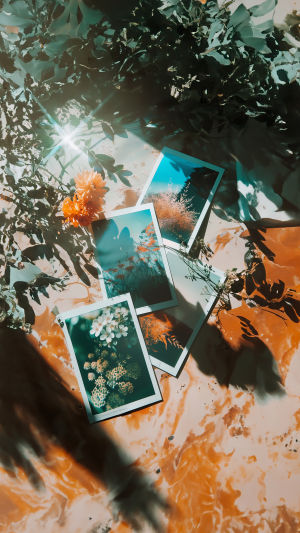
Hi, Friends! You know that feeling when you take a photo and it looks absolutely flat, like a passport mugshot but sadder?
Yeah, that is not your camera's fault. That is a lighting problem.
Light in photography is like seasoning in cooking; get it right and everything sings; get it wrong and no one wants to look twice.
<h3>Why Light Is Everything</h3>
Light does not just illuminate a subject. It completely decides the mood, texture, depth, and overall feel of a photograph. Think of light as the director of your photo. The subject might be a star, but light calls all the shots.
A simple portrait under harsh midday sun looks aggressive and unflattering. The same person photographed in soft golden-hour light suddenly looks like they belong on a magazine cover. Same person. Totally different story.
<h3>The Direction of Light Changes Everything</h3>
Where the light comes from matters a lot. Front lighting, with the source shining straight at your subject, flattens texture and makes everything look two-dimensional, like you ironed the personality out of the shot.
Side lighting glances across surfaces, revealing detail and casting depth-building shadows so the subject feels three-dimensional.
Back lighting, with light behind the subject, can add glowing rims or silhouettes and delivers that dramatic, cinematic mood.
<h3>Hard Light vs. Soft Light</h3>
The quality of light matters just as much as its direction. Hard light comes from a small, concentrated source like direct sunlight or a bare flash, creating sharp, high-contrast shadows that highlight bold textures or give images a punchy, dramatic feel.
Soft light comes from a broad or diffused source such as an overcast sky or light bouncing off a white wall. It wraps around subjects gently, taming harsh shadows and giving a smooth, flattering finish—exactly why portrait photographers live for soft light that makes skin look painterly instead of fluorescent.
<h3>Color Temperature Sets the Mood</h3>
Light carries color and that temperature shifts the mood of every frame. Warm tones—goldens and oranges—feel cozy and inviting, almost like a visual hug.
Cool tones—blues and crisp whites—can feel clean, clinical, or slightly melancholic depending on context.
When you understand this, you can pick your shooting time or tweak white balance to match the feeling you want to communicate.
That’s why a sunset-lit street and the same street on a blue, rainy afternoon tell completely different emotional stories.
<h3>Natural Light vs. Artificial Light</h3>
Natural light changes constantly throughout the day, which is both its charm and its challenge. The soft, diffused light on an overcast day is a photographer’s best friend because it stays consistent and easy to work with. The golden hour—those moments just after sunrise or before sunset—delivers warm, angled light that flatters almost anything, and photographers practically sprint for their cameras to catch it.
Artificial light offers complete control, which is incredibly powerful.
You can position it, shape it, and repeat it exactly when you need to, letting studio photographers sculpt light around a subject the way a sculptor works with clay.
<h3>Conclusion</h3>
Shadows aren’t the enemy—they sculpt subjects, add mystery, and keep frames from feeling flat. Treat them as part of your composition, and keep watching how the light moves: its direction, softness, and the mood it sets. The moment you start shooting with that intention, your photos change fast. Stick with it and you’ll surprise yourself.


