

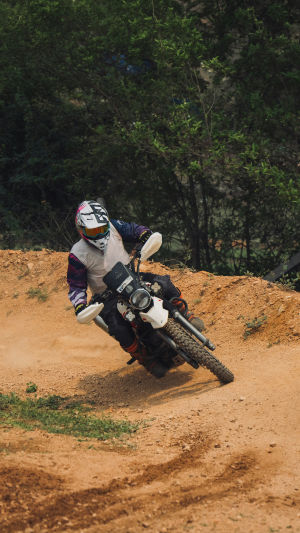
It’s great to see you, Readers! Every off-road adventure begins with the terrain beneath your tires, but your suspension often makes the biggest difference in how your vehicle performs.
Whether driving across soft desert sand or tackling rocky trails, the right suspension setup improves traction, stability, and comfort.
A support tuned for sand performs very differently from one designed for rocky terrain, making proper adjustments essential for each environment. Understanding these differences helps drivers enjoy better control while reducing unnecessary wear on important vehicle components.
<h3>Why Suspension Tuning Matters Off the Pavement</h3>
Suspension is far more than a system that absorbs bumps. It determines how effectively each tire maintains contact with the ground, which directly affects grip and steering precision.
A well-tuned suspension controls wheel movement, supports the vehicle's weight, minimizes body roll, and absorbs impacts before they reach the chassis. It also influences ground clearance, approach angles, and overall vehicle stability. When suspension settings match the terrain, the tires maintain better traction, allowing the vehicle to move efficiently while reducing driver fatigue.
Poor support weight tuning often produces the opposite result. Excessive bouncing, limited wheel travel, and loss of tire contact make technical terrain far more difficult to navigate and place additional stress on suspension components.
<h3>Why Soft Suspension Performs Better in Sand</h3>
Driving across loose sand requires maintaining momentum rather than fighting for grip. Every unnecessary loss of speed increases the likelihood of becoming stuck.
A relatively softer suspension helps distribute the vehicle's weight more evenly as it travels over shifting surfaces. Instead of digging into the sand, the tires remain planted with a larger contact patch, improving flotation and forward progress.
Long-travel shock absorbers are especially valuable in sandy environments. Rolling dunes create continuous compression and extension of the suspension, and additional travel allows the wheels to follow the changing contours without repeatedly reaching their limits. This reduces harsh impacts when cresting dunes or descending steep slopes.
Vehicle weight also plays an important role. Carrying excessive accessories or unnecessary cargo places greater pressure on the tires, increasing the chance of sinking into soft sand. For recreational dune driving, a lighter vehicle paired with appropriately tuned suspension generally delivers better handling and climbing performance.
Lowering tire pressure further complements the support weight by increasing the tire's footprint, allowing the vehicle to glide more effectively across loose terrain.
<h3>Why Rocky Trails Require a Different Setup</h3>
Rocky terrain presents an entirely different challenge. Instead of maintaining momentum across soft surfaces, the suspension must maximize traction while protecting the vehicle from repeated impacts. A firmer suspension helps control excessive body movement as the vehicle climbs over uneven obstacles.
While the ride may feel less comfortable than in sand, improved stability allows drivers to place the tires more accurately on rocks and ledges. Articulation becomes the most important characteristic in this environment. High-articulation support weight systems allow each wheel to move independently, enabling all four tires to maintain contact with irregular surfaces.
This constant contact improves grip and reduces wheel spin during slow, technical climbs. Durability is equally critical. Rocky trails expose suspension components to repeated heavy impacts that can damage control arms, bushings, shock absorbers, and springs.
Reinforced suspension hardware is better suited to withstand these demanding conditions while maintaining alignment and structural integrity. Additional ground clearance also reduces the likelihood of scraping the underbody, especially when combined with skid plates that protect essential drivetrain components.
<h3>Finding the Right Balance for Mixed Terrain</h3>
Many off-road enthusiasts regularly drive across both dunes and rocky trails, making a balanced suspension setup the most practical solution. Modern adjustable support weight systems provide valuable flexibility. Coilover suspensions, remote-reservoir shock absorbers, and electronically adjustable dampers allow drivers to fine-tune damping characteristics for changing terrain without replacing major components.
Rather than choosing an extremely soft or overly stiff configuration, many experienced drivers select moderate spring rates combined with adjustable damping. This approach offers sufficient comfort in sand while maintaining the control needed for technical trails.
Proper suspension tuning should always complement other factors, including tire selection, tire pressure, vehicle weight distribution, and driving technique. Even the most advanced suspension cannot compensate for incorrect tire pressure or poor throttle control.
<h3>Routine Maintenance Keeps Suspension Performing Properly</h3>
Off-road driving exposes suspension components to constant stress, making regular inspections essential. After driving through sand, clean accumulated debris from springs, shock absorbers, and suspension joints. Fine sand can accelerate wear if it remains trapped around seals and bushings.
Following rocky excursions, inspect the suspension for fluid leaks, bent control arms, damaged bushings, loose fasteners, or impact marks beneath the vehicle. Retorquing suspension bolts after demanding trails also helps maintain proper alignment and component security. Routine maintenance not only extends suspension life but also ensures consistent performance during future adventures.
Suspension tuning is one of the most effective ways to improve off-road capability because every terrain places different demands on a vehicle. Softer settings and longer suspension travel help maintain momentum across loose sand, while firmer damping, greater articulation, and reinforced components deliver the stability needed for rocky trails.


