

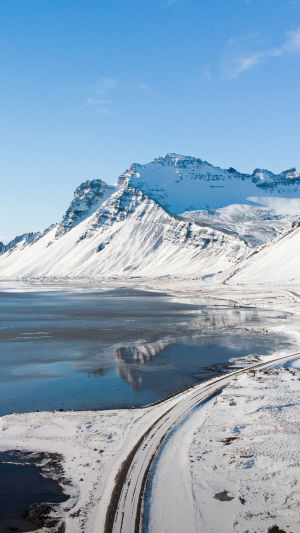
Winter transforms Iceland into a landscape unlike almost anywhere else in Europe.
Snow-covered volcanic mountains, frozen waterfalls, black lava fields dusted with white snow, and icy coastlines create scenery that changes dramatically with shifting weather and light.
Yet winter also brings shorter daylight hours, unpredictable road conditions, and rapidly changing forecasts. A successful trip depends far more on careful planning than simply choosing beautiful locations.
Iceland
<h3>Plan Around Daylight and Winter Road Conditions</h3>
The ideal winter travel period is late November through early March. Each month offers a slightly different experience.
November often brings fresh snow while roads remain relatively accessible.
December and January provide the deepest winter atmosphere, although daylight lasts only about 4 to 5 hours around the winter solstice.
February and early March are often considered the most balanced period, with increasing daylight, reliable snow coverage, and excellent opportunities to see the Northern Lights.
Winter temperatures along Iceland's southern coast are generally milder than many visitors expect, usually ranging between -3°C and 4°C. However, strong Atlantic winds often make conditions feel much colder.
Most international travelers arrive through Keflavík International Airport, located about 50 km from Reykjavík.
Driving times are approximately:
• Keflavík Airport to Reykjavík: 45–50 minutes
• Reykjavík to Thingvellir National Park: about 50 minutes
• Reykjavík to Seljalandsfoss: about 2 hours
• Reykjavík to Vík: approximately 2.5 to 3 hours
A rental car provides the greatest flexibility, but only experienced winter drivers should drive themselves. Roads may temporarily close because of snowstorms or high winds. Before every journey, always check Iceland's official Road and Coastal Administration road condition reports and weather forecasts.
If you are unfamiliar with winter mountain driving, guided day tours departing from Reykjavík are often the safer option.
Rental vehicles generally cost:
• Standard winter-equipped car: €90–180 per day
• Four-wheel-drive SUV: €180–320 per day
Winter tires are mandatory during the season and are normally included.
Rather than trying to cover long distances, spend four to six days exploring southern Iceland. This allows enough flexibility if weather forces changes to your schedule.
Hotels in Reykjavík generally range between €180 and €350 per night, while countryside guesthouses and hotels along the South Coast usually cost €170–320, depending on location and season.
As daylight slowly spreads across the volcanic landscape, snow-covered mountains rise above black lava fields while frozen rivers reflect soft shades of blue and silver. Every changing cloud reveals a completely different version of the same landscape, making winter photography especially rewarding.
<h3>Combine Scenic Stops with Flexible Daily Planning</h3>
The biggest mistake first-time visitors make is creating an itinerary that leaves no room for changing weather.
Instead of driving long distances every day, combine several nearby attractions into one route.
A classic winter day along the South Coast might include:
• Seljalandsfoss
• Skógafoss
• Reynisfjara Black Sand Beach
• Vík
These locations are connected by the Ring Road and can comfortably fit into a full day's journey without excessive driving.
The Golden Circle is another excellent winter route, linking Thingvellir National Park, the Geysir geothermal area, and Gullfoss Waterfall. Even in snowy conditions, roads here are usually among the first to be cleared.
If conditions remain favorable, consider relaxing at one of Iceland's geothermal lagoons after a day outdoors.
The Blue Lagoon requires advance reservations throughout much of the year.
Typical admission starts around:
• €70–100, depending on season and entry time.
Other geothermal spas around the country offer similar experiences with fewer visitors.
Winter daylight is limited.
During December, sunrise often occurs around 11:00, while sunset arrives near 15:30. This means sightseeing should begin immediately after daylight appears, while evenings are ideal for searching for the Northern Lights if forecasts are favorable.
Rather than staying outside continuously, plan regular indoor breaks. Icelandic weather changes rapidly, and warming up with a hot meal or coffee between scenic stops makes the day much more enjoyable.
Expect restaurant meals to cost approximately €25–45 per person, while casual cafés generally range between €12 and €20.
<b>Prepare Properly for Winter</b>
Layering is essential.
Bring:
• Waterproof outer jacket and trousers.
• Thermal base layers.
• Insulated mid-layer.
• Waterproof hiking boots with strong grip.
• Hat, gloves, and neck warmer.
Traction cleats for boots can be very useful around icy waterfalls and snowy walking paths.
<b>Allow Extra Time Everywhere</b>
Distances in Iceland often look short on a map, but winter driving conditions may significantly increase travel times.
Never schedule attractions too closely together, and always have backup plans if weather changes.
<b>Budget Realistically</b>
A comfortable winter day, including fuel, meals, parking, and sightseeing, generally costs around €120–220 per person, excluding accommodation and rental vehicle costs.
Winter is one of the most rewarding seasons to experience Iceland, provided you plan around daylight, weather, and road conditions instead of trying to follow a rigid itinerary. Focusing on the South Coast and Golden Circle allows you to enjoy snow-covered mountains, frozen waterfalls, geothermal landscapes, and dramatic coastlines without spending excessive time driving.


