

Most visitors experience Central Park in the middle of the day, weaving through crowds of cyclists, horse-drawn carriages, tour groups, and street performers.
But ask local photographers or early runners when the park is at its best, and many will give the same answer: sunrise.
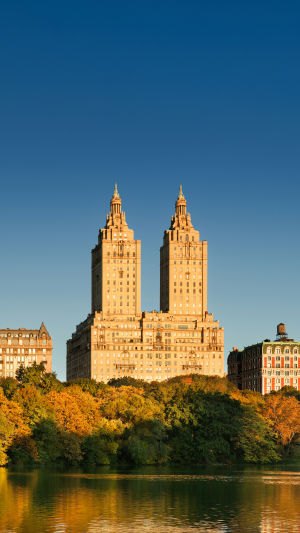
As the first light reaches the towers of the Central Park West Historic District, the city feels remarkably different. The streets are quieter, the park is filled with morning joggers instead of sightseeing crowds, and soft golden light turns the historic apartment buildings along Central Park West into one of Manhattan's most beautiful skylines.
Central Park
<h3>Start Early and Plan the Morning Carefully</h3>
The first decision isn't where to stand—it's what time to arrive.
Sunrise changes throughout the year, so check the local sunrise time before your trip and plan to arrive 30 to 45 minutes beforehand. This allows you to watch the city gradually wake up rather than arriving after the best light has already passed.
The experience is worthwhile throughout the year, but late April through early June and late September through early October often provide the most comfortable conditions. During these months, morning temperatures usually range between 10°C and 20°C, the humidity is moderate, and sunrise occurs at a manageable hour compared with midsummer.
The easiest way to reach Central Park West is by subway. Stations along the A, B, C, and D lines, including 72nd Street, 81st Street–Museum of Natural History, and 86th Street, place you only a few minutes' walk from the park. If you're staying in Midtown, the journey generally takes 10 to 20 minutes.
Taxis and ride-hailing services are also readily available before sunrise. Depending on traffic and your starting point, a trip from Midtown typically costs around US$15–30.
Accommodation around the Upper West Side offers a major advantage for early risers. Hotels here usually range from US$250–450 per night, while boutique properties and luxury hotels overlooking the park can exceed US$500. Although prices are higher than in some other neighborhoods, staying nearby means you can reach the park on foot before sunrise instead of navigating early-morning transportation.
Plan to spend three to four hours in the area. That provides enough time to enjoy sunrise, walk through several sections of Central Park, stop for breakfast, and still return to your hotel before beginning the rest of the day's sightseeing.
As darkness slowly fades, the skyline begins reflecting warm shades of orange and gold. The limestone façades and decorative rooftops along Central Park West catch the first sunlight while the trees below remain wrapped in soft morning shadow, creating one of the city's most elegant contrasts between architecture and nature.
<h3>Walk Slowly Instead of Chasing Landmarks</h3>
Many first-time visitors try to cover as much of Central Park as possible in one morning. Ironically, the best sunrise experience comes from seeing less and appreciating it more.
Begin near Columbus Circle or the 72nd Street entrance, then walk north at an easy pace. Early in the morning, the pathways belong mostly to local runners, dog walkers, and cyclists rather than tour groups. The atmosphere feels surprisingly calm for the center of one of the world's busiest cities.
Continue toward Bethesda Terrace, one of the park's most iconic gathering places. Around sunrise, the arches and stone staircases are beautifully illuminated, while the nearby fountain remains remarkably peaceful before larger crowds arrive. From there, continue toward The Lake, where still water often reflects both the surrounding trees and the skyline beyond.
Another rewarding stop is Bow Bridge, one of the most photographed locations in Central Park. Arriving before 8:00 usually means you'll have space to enjoy the view without waiting for photographs or navigating through large groups.
If your visit falls during spring or autumn, allow extra time to simply sit on one of the benches overlooking the park.
Watching morning light gradually spread across the lawns while the city slowly becomes busier offers a perspective that many visitors never experience.
After your walk, reward yourself with breakfast on the Upper West Side. Many neighborhood cafés begin serving from around 7:00 or 8:00, making it easy to continue the relaxed pace of the morning. Expect to spend approximately US$15–30 per person for breakfast and coffee.
Weather can change quickly, particularly during autumn and winter. A lightweight jacket is usually sufficient in spring, while gloves and a warm layer become essential during colder months. Comfortable walking shoes are equally important, as even a leisurely morning route can easily cover 5 to 8 kilometers.
If photography is one of your priorities, avoid focusing only on the skyline. Some of the most memorable images come from small details: sunlight filtering through rows of elm trees, reflections on quiet ponds, or the historic apartment buildings glowing behind the park's winding pathways.
<b>Helpful Planning Tips</b>
• Arrive 30–45 minutes before sunrise for the best light.
• Use the subway if possible, as it is often the fastest way to reach the Upper West Side.
• Carry a reusable water bottle and dress in layers, particularly during spring and autumn mornings.
• Keep valuables secure and remain aware of your surroundings, as you would anywhere in a large city, even though Central Park is generally active with runners and commuters after dawn.
• Combine your sunrise walk with nearby attractions such as the American Museum of Natural History, which opens later in the morning, allowing for an efficient day of sightseeing.
• A comfortable sunrise outing, including transportation, breakfast, and refreshments, generally costs around US$30–70 per person, excluding accommodation.
Experiencing Central Park West at sunrise reveals a side of New York that many visitors never see. Instead of crowds, traffic, and busy sidewalks, you'll find peaceful pathways, soft morning light, and historic architecture glowing above one of the world's most famous urban parks. By arriving early, slowing your pace, and allowing time to explore beyond the obvious viewpoints, you gain a far richer understanding of both the park and the city around it.


