

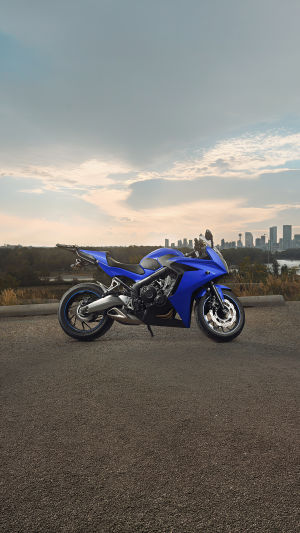
Motorcycles may look similar on the surface, but what happens inside the engine dramatically shapes how they respond on the road.
One of the biggest differences lies in how the fuel and air reach the engine: through a carburetor or a fuel-injection system.
Understanding both helps you choose the right bike, ride more confidently, and even troubleshoot with less frustration. For Lykkers who enjoy learning how things work, this guide turns a technical topic into something approachable and even fun.
<h3>What Carburetors Bring to the Riding Experience</h3>
Carburetors were the long-time standard in motorcycles, and many riders still love how they feel. If you've ever wondered why older bikes or small-displacement models behave a certain way, the carburetor plays a big role.
<b>How a Carburetor Mixes Air and Fuel</b>
A carburetor works through simple mechanical principles. As air flows through it, the design creates a pressure difference that pulls fuel into the stream. The engine gets its mixture based on throttle position, air flow, and internal passages.
When you understand this, you start to notice why carbureted bikes have a particular charm. The throttle response has a slightly softer, more gradual feel. You might also appreciate how everything is visible and adjustable—jets, screws, and passages that can be tuned for different riding conditions.
<b>Why Some Riders Still Enjoy the Traditional Feel</b>
Carbureted engines often have a personality you can sense. The warm-up rituals, the sensitivity to climate, and the smooth rolling power can feel nostalgic.
If you ride one, you'll learn to listen to the engine and understand small changes in performance. This connection makes some riders feel more involved in the process, especially when working on the bike themselves. It's a hands-on experience that builds familiarity and confidence.
<b>Where Carburetors Show Their Limitations</b>
Because a carburetor relies on air pressure rather than sensors, it can struggle with big changes in altitude or temperature. Tuning becomes important, and cold starts sometimes need extra attention.
You'll still enjoy the ride, but you may need to spend more time maintaining or adjusting things. This isn't negative—just part of the traditional charm. Knowing what to expect helps you plan better and ride more smoothly.
<h3>Why Fuel Injection Has Become the Modern Standard</h3>
Fuel-injection systems changed motorcycle performance in practical ways. They make riding easier for beginners and more predictable for experienced riders.
<b>How Fuel Injection Delivers Precision</b>
Fuel injection doesn't rely on air-pressure differences. Instead, sensors measure air temperature, engine conditions, and throttle position. The system then sends the exact amount of fuel needed.
This precision gives you consistent performance whether you're riding in hot weather, high altitudes, or rainy conditions. You'll feel the engine respond instantly, which makes stops, starts, and curves feel more controlled.
<b>Practical Advantages You'll Notice on the Road</b>
With fuel injection, bikes usually start faster, warm up quicker, and run cleaner. You won't have to worry about manual tuning as conditions change.
If you're the type of rider who wants low-maintenance reliability, you'll appreciate how fuel injection handles the details quietly in the background. It supports smooth commuting, touring, and spirited weekend rides without demanding much attention.
<b>What Riders Should Keep in Mind</b>
Fuel injection removes many manual adjustments, which is convenient—but it also means troubleshooting requires specialized tools. You can still maintain your bike well, but the system itself is not something you'll tweak with simple hand adjustments.
Still, for most riders, the trade-off is worth it. You get dependability, efficiency, and steady performance across a wide variety of riding environments.
Carburetor and fuel-injection systems both shape how a motorcycle feels and performs. Carburetors offer a traditional charm with hands-on tuning and a distinctive throttle character, making them appealing to riders who enjoy a more mechanical connection. Fuel injection provides modern precision, reliable starts, cleaner running, and consistency across different conditions.
For Lykkers who want to understand their machines better, knowing how each system works empowers you to choose a bike that truly fits your riding style—and helps every journey feel smoother, smarter, and more enjoyable.


