

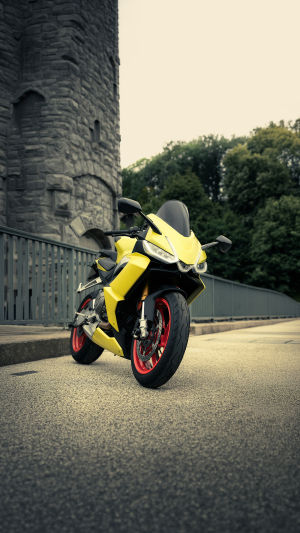
Night riding brings a completely different feeling compared to daytime travel. The roads are quieter, the air feels cooler, and the journey often seems more peaceful.
However, reduced visibility and changing road conditions also bring new challenges that require careful attention.
In this guide, we explore practical and easy-to-follow advice that helps us handle night travel more confidently and responsibly. Each point is designed to support safer decision-making while keeping the riding experience smooth and enjoyable.
<h3>Preparing Before We Start the Engine</h3>
Before setting off, preparation plays a key role in safety. We should always wear proper protective gear, including a certified helmet, a well-fitted riding jacket, gloves, and sturdy riding shoes. These items help reduce risk in unexpected situations.
At the same time, checking the motorcycle condition is essential. We need to inspect tire pressure, braking response, lights, and fluid levels. A quick but careful inspection ensures the vehicle is ready for low-light conditions and long-distance travel.
<h3>Lighting Setup for Clear Visibility</h3>
Lighting becomes one of the most important elements during night riding. We should ensure the front lamp and rear signal lights are working properly before departure. If additional lighting is used, it should be adjusted carefully so it does not create glare for other road users. A well-balanced lighting setup helps us see the road clearly while also making our presence visible to others.
<h3>Speed Control and Distance Awareness</h3>
At night, visual cues are less clear, so adjusting speed is necessary. We should maintain a moderate pace that allows enough time to react to sudden changes. Keeping a wider following distance from other vehicles also adds an extra layer of safety. This space gives us more time to respond to braking, obstacles, or unexpected movements ahead.
<h3>Smart Decisions on Overtaking and Route Choice</h3>
Overtaking at night carries more uncertainty due to limited depth perception. We should avoid unnecessary lane changes and only pass when the road ahead is fully visible and conditions are stable. Choosing familiar routes also helps reduce stress and confusion. Well-known roads or controlled expressways are often better options because they are easier to predict and navigate in low light.
<h3>Reading the Road Surface Carefully</h3>
Night roads may hide details that are easy to see during the day. We need to stay alert for uneven surfaces, small potholes, damp areas, or oil marks that could affect traction. By focusing closely on the road texture and movement, we improve our ability to adjust riding behavior in real time and reduce the chance of sudden instability.
<h3>Staying Alert with Defensive Riding</h3>
Defensive riding means anticipating rather than reacting. We should observe surrounding vehicles, predict possible lane changes, and avoid staying in blind zones of larger vehicles. Maintaining predictable movement also helps others understand our direction, which contributes to a more stable traffic environment overall.
<h3>Managing Energy and Staying Focused</h3>
Long rides at night can gradually reduce concentration. We should take short breaks when needed to refresh our attention and maintain clear thinking. Good rest habits help keep reaction time steady and reduce the likelihood of misjudgment during longer journeys.
<h3>Equipment That Supports Clear Vision</h3>
A full-face helmet with a transparent visor is highly practical for night riding. It protects the face while ensuring a wide and clear field of view. Keeping the visor clean and free from scratches also improves visibility, especially when lighting conditions are low and contrast is limited.
Lykkers, night riding can be a calm and rewarding experience when handled with care. From proper preparation and controlled speed to smart route selection and alert observation, every small decision contributes to overall safety. At the end of the journey, what matters most is not speed or distance, but arriving safely and comfortably.
Let’s continue improving our riding habits, stay aware of changing conditions, and enjoy each night ride with confidence and responsibility.


