

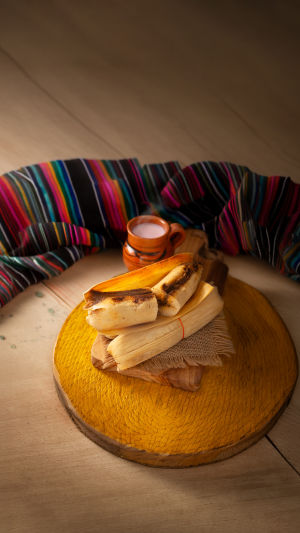
Tamales are one of the most iconic foods in Mexican cuisine, and a good example of how simple ingredients can carry a rich tradition. Wrapped in softened corn husks and filled with savory ingredients, they are comforting, satisfying, and easy to share.
Although they may remind some travelers of rice-based wrapped foods from other regions, tamales have their own identity. Soft corn dough, a flavorful filling, and a fragrant steaming process make them a dish people enjoy throughout the year.
This guide walks through each stage of making tamales at home, from the corn dough to wrapping and steaming.
<h3>What Makes Tamales Special?</h3>
Tamales are made with a corn-based dough called masa. The dough is spread onto softened corn husks, filled with ingredients such as shredded chicken, cheese, and corn kernels, then wrapped and steamed until tender.
One reason tamales remain popular is their convenience. We can prepare a large batch at once, store the extras, and simply warm them before serving.
<h3>Ingredients</h3>
The dough starts from whole dried corn, and dried husks hold everything together. You will need:
- 500 g dried corn kernels
- 1 tablespoon pickling lime (food-grade calcium hydroxide)
- 750 ml water
- 450 g cooked shredded chicken or cooked ground chicken
- 150 g sweet corn kernels
- 100 g grated cheese
- 120 ml enchilada sauce
- 20 to 25 dried corn husks, plus a few thin strings for tying
- Avocado sauce, salsa, sour cream, or mild chili sauce, to serve (optional)
This makes about 20 tamales.
<h3>Step 1: Soak the Corn Husks</h3>
Place the dried husks in a large bowl, cover them completely with warm water, and set a plate on top to keep them submerged. Soak for at least four hours, or overnight for the best results. Rinse the softened husks gently and lay them on a clean towel. They should fold easily without splitting.
<h3>Step 2: Make the Traditional Corn Dough</h3>
Add the dried corn kernels, water, and pickling lime to a large pan and bring to a boil over medium-high heat. Reduce the heat and simmer for about 20 minutes, then turn off the heat and let the corn soak overnight in the cooking liquid.
The next day, blend the corn in batches with some of the liquid until a smooth, thick dough forms. The finished dough should spread easily while staying thick enough to hold its shape.
<h3>Step 3: Prepare the Filling</h3>
If using cooked chicken pieces, pull them into small shreds with two forks; ground chicken can be used as it is. Mix the chicken with the sweet corn kernels in a bowl, and keep the cheese and enchilada sauce nearby for assembly. Having everything ready makes wrapping much faster.
<h3>Step 4: Assemble the Tamales</h3>
Lay one softened husk flat on a clean surface and spread 2 to 3 tablespoons of dough in the center, leaving space around the edges. Top with 1 tablespoon of the chicken and corn mixture, then 1 teaspoon each of cheese and enchilada sauce.
Fold one side of the husk toward the center, fold the opposite side over it, then fold the bottom up to hold the filling in. Tie the parcel with a thin of husk and repeat until all the ingredients are used.
<h3>Step 5: Steam Until Tender</h3>
Stand the tamales upright in a steamer, leaving a little space between them so the steam circulates evenly. Steam over medium heat for about 50 minutes. Because the filling is already cooked, this step mainly softens the dough. To check, open one carefully: the dough should come away easily from the husk.
<h3>How to Serve Tamales</h3>
Tamales are best enjoyed warm. Serve them with avocado sauce, salsa, sour cream, or a mild chili sauce. The creamy toppings balance the soft corn dough and savory filling.
<h3>Helpful Tips for Better Results</h3>
A few habits help the tamales hold together and cook evenly:
- Soak the corn husks thoroughly before wrapping.
- Avoid overfilling each tamale.
- Keep the steamer covered during cooking.
- Check the water level occasionally and add more hot water if needed.
- Use prepared fillings to save time, or homemade ones for more flavor.
Leftover tamales keep in an airtight container in the refrigerator, and many cooks find they taste even richer the next day. Steam them again until warm before serving. Which filling would you choose for your first batch? We would love to hear your ideas!


