

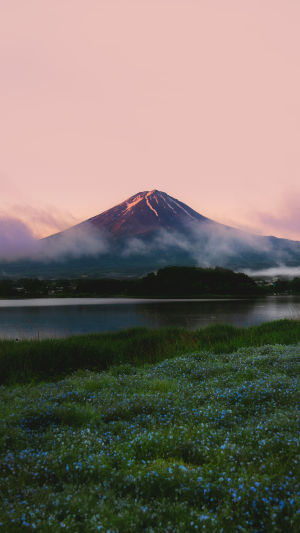
Hi, Readers! Mount Fuji and Lake Kawaguchiko are one of those pairings that stay with you long after the trip ends.
On a clear day, the mountain rises quietly behind the lake, and every change in light makes the scene feel new again. If you are planning a visit, timing matters a lot.
So does knowing where to stand with your camera, especially if you want that classic lake-and-mountain view without wasting precious time wandering around.
<h3>When views are usually best</h3>
The clearest Mount Fuji views around Lake Kawaguchiko are often found in the colder months, when the air is drier and visibility is stronger. Early morning is usually your best chance in any season, because clouds tend to gather later in the day. If you visit in warmer months, the mountain can hide behind haze or cloud cover more often, so it helps to keep your schedule flexible and aim for sunrise hours if possible.
Around cherry blossom time and autumn leaf season, the scenery becomes especially beautiful, but these are also popular periods, so expect more people around the best viewpoints.
<h3>Classic photo spots around the lake</h3>
One of the easiest and most loved places to photograph Mount Fuji is the north shore of Lake Kawaguchiko. This area gives you the iconic composition of the lake in front and Fuji in the distance. It is especially popular during blossom season and autumn, when flowers or colorful leaves can frame the scene.
Oishi Park, on the northern side, is another favorite because the open lakeside view is wide and clean, and seasonal flower beds can add texture to your photos. If you want a slightly elevated view, the ropeway near the eastern side of the lake offers a higher angle over the water with Mount Fuji beyond, which feels very different from the shoreline shots.
Mount Fuji
<h3>More viewpoints worth your time</h3>
For travelers who want variety, the area around the Momiji Tunnel is well known for autumn color and a road scene lined with trees, with Mount Fuji appearing in the background when conditions are right. The lakeside promenade nearby is also pleasant for slower walks and quieter framing.
Another strong option is the Chureito Pagoda area in the wider Fuji Five Lakes region. It is not right on Lake Kawaguchiko, but many visitors combine it with the lake because the pagoda, the mountain, and the seasonal landscape create one of the most recognizable views in the region. Be ready for stairs there, but the layered view can be worth the effort.
<h3>Getting there and getting around</h3>
Lake Kawaguchiko is accessible from Tokyo by highway bus or train. Buses are often the simplest option and usually take about 2 hours, depending on traffic. Train trips generally take around 2 to 3 hours with transfers. Once you arrive at Kawaguchiko Station, sightseeing buses make it fairly easy to reach key areas around the lake, including museums, parks, and shoreline viewpoints.
Renting a bicycle is also a lovely way to move at your own pace if the weather is clear. For photo outings, that flexibility can make a big difference, since you may want to stop the moment the clouds open up.
<h3>Hours, prices, and staying nearby</h3>
The lake itself is always open, of course, and many outdoor viewpoints can be visited freely at any time. Local sightseeing buses require a paid ticket, and fares vary by route, so it is best to check the current options at the station. The ropeway has its own operating hours and admission fee, and these can change by season. In the Kawaguchiko area, you will find a wide range of places to stay, from simple guesthouses to lakeside inns and hotels.
Budget stays can start from about USD 50 to 90 per night, while mid-range hotels often fall around USD 100 to 220. Higher-end lakeside rooms with direct Fuji views can go beyond that, especially in busy travel periods.
<h3>Simple tips for better photos</h3>
If photography is your main goal, try not to plan only one quick stop. Staying overnight gives you a much better chance of catching a clear view in the early morning or during changing weather. Bring layers in cooler months, because standing by the lakeshore before sunrise can feel quite chilly.
A tripod can help in low light, especially near dawn or at blue hour, and a zoom lens is useful if you want to tighten the frame from farther along the shore. At the same time, some of the most appealing shots here are simple and wide, letting the calm water and open sky do the work.
Lake Kawaguchiko is the kind of place that rewards patience. If you go at the right time, start early, and choose a few well-placed viewpoints, your Mount Fuji experience can feel both peaceful and unforgettable. If you can, give yourself enough time to slow down, watch the weather, and let the mountain reveal itself naturally.


