

Hi, Readers! A small home can feel like a packed suitcase if every corner is shouting for attention. That is exactly why wabi-sabi works so well in compact spaces.
This style is rooted in simplicity, natural materials, and an appreciation for imperfection, so instead of making a room feel stuffed and fussy, it helps everything breathe a little easier.
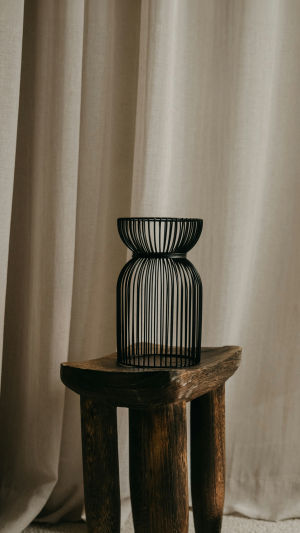
Wabi-sabi is not about chasing a polished showroom look. It leans into the beauty of things that feel lived-in, weathered, handmade, and calm. In a small home, that is great news. You do not need a mountain of decor to make the place feel special. A rough ceramic vase, a linen curtain with soft folds, or a wooden stool with visible grain can do more than a shelf full of shiny extras.
<h3>Keep the Palette Soft</h3>
One of the easiest ways to create this mood is through color. Wabi-sabi interiors often use muted, earthy tones like beige, taupe, clay, stone, and soft gray. In a smaller home, these colors work like visual deep breaths. They make walls, furniture, and accessories feel connected instead of choppy. When too many strong colors compete in a tight room, things can feel cluttered fast. A calm palette keeps the space steady and gentle on the eyes.
This does not mean the room has to look flat or sleepy. Texture is where the magic sneaks in. Plaster-like walls, woven baskets, raw wood, stone surfaces, and soft fabrics give the room depth without turning it into a circus. It is like wearing a simple outfit with amazing fabric. Quiet, but unforgettable.
<h3>Choose Fewer, Better Pieces</h3>
Small homes do not have much patience for unnecessary furniture. Wabi-sabi style favors restraint, which is a fancy way of saying, do not crowd the room. Pick pieces that are useful, simple, and made from natural materials. A low-profile wooden table, a comfortable chair in a neutral fabric, or open shelving with just a few meaningful objects can set the tone beautifully.
The key is to leave breathing room. Empty space is not wasted space here. It helps each item stand out and keeps the room from feeling squeezed. Wabi-sabi loves that sense of pause. Instead of filling every inch, let a few pieces carry the story.
<h3>Celebrate Imperfection</h3>
This style shines when things look real rather than overly polished. Handmade pottery, aged wood, slightly uneven finishes, and vintage finds all fit right in. In a small home, these details add personality without needing a lot of square footage. A chipped clay bowl or a timeworn side table can bring more warmth than something factory-perfect.
There is also a comforting side to this approach. When your home embraces imperfection, you stop feeling like everything has to be flawless. That can make daily life feel lighter. A tiny apartment with soul always feels better than a tidy space that looks like nobody actually lives there.
<h3>Use Natural Light and Simple Decor</h3>
Wabi-sabi interiors tend to welcome natural light rather than fight it. In a compact space, that matters a lot. Light helps the room feel open and airy, so keep window treatments soft and minimal when possible. Linen or cotton curtains in light tones can filter sunshine without making the room feel boxed in.
Decor should stay intentional and understated. Think branches in a vase, a textured lamp, a woven mat, or one piece of wall art with plenty of breathing room around it. The goal is not to decorate every surface. It is to create a quiet atmosphere where each detail has a purpose.
<h3>Bring Nature Indoors</h3>
Nature is a big part of the wabi-sabi mood. Even in a small home, that connection can be easy to build. Houseplants, dried branches, stone accents, clay vessels, and wooden furniture all help blur the line between indoors and outdoors. You do not need a jungle in the living room. One simple plant with an organic shape can do the trick.
Natural materials also help a home feel grounded. They soften the edges of modern living and add warmth in a way glossy finishes often cannot. In a compact room, that warmth makes the space feel less cramped and more comforting.
A small home does not need grand gestures to feel beautiful. Wabi-sabi proves that calm colors, natural textures, useful furniture, and a little imperfection can turn even a modest space into a peaceful retreat. If your place feels crowded or restless, try editing it down and letting simpler details take the lead. Sometimes the smallest spaces have the easiest path to feeling truly inviting.


