

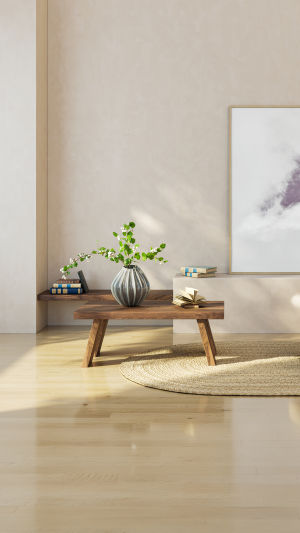
Have you ever walked into a home and immediately felt relaxed? No bright colors competing for attention, no overwhelming decorations, and no clutter filling every corner.
Instead, the space feels calm, warm, and naturally inviting. That is the charm of Wabi-Sabi design.
This style embraces simplicity, natural materials, and the beauty found in everyday details.
Rather than focusing on perfection, it creates spaces that feel comfortable, lived-in, and timeless. Today, let's explore how we can create a beautiful Wabi-Sabi home with practical and easy-to-follow ideas.
<h3>The Three Essential Elements of Wabi-Sabi Design</h3>
Every successful Wabi-Sabi interior begins with three key foundations: color, materials, and furniture proportions.
- The color palette should remain soft and harmonious. Creamy white, light beige, oatmeal, warm sand, and taupe are excellent choices. These gentle tones help create a peaceful environment and allow the room to feel visually connected.
- Natural materials are equally important. Solid wood, linen, cotton-linen fabrics, handcrafted clay finishes, and microcement surfaces add warmth and texture. Their natural imperfections help bring character and authenticity into the home.
- Furniture should feature simple lines and a low profile. Sofas, coffee tables, and storage units with lower heights create an open feeling and improve visual balance throughout the space.
<h3>Creating a Unified Color Scheme</h3>
One of the biggest reasons a Wabi-Sabi room succeeds is color consistency.
- For walls, soft ivory, cream, or warm off-white shades provide a perfect foundation. Flooring can feature light wood finishes, warm brown tones, or muted earth-inspired colors.
- Soft furnishings such as curtains, rugs, cushions, and throws should remain within a similar color family. Oatmeal, beige, light brown, and warm gray tones work beautifully together.
When colors stay consistent, the room feels calm and organized. Even smaller homes can appear larger and more relaxing when the overall palette remains restrained and cohesive.
<h3>Choosing Natural Materials That Add Character</h3>
Materials play a major role in creating the Wabi-Sabi atmosphere.
- Textured wall finishes such as microcement, clay coatings, and artistic paints help create depth and visual interest. Small irregularities and handcrafted textures make surfaces feel more natural and unique.
- For flooring, natural wood, matte tiles, and microcement are popular options. These finishes reflect less light and help maintain the soft, understated appearance that defines the style.
- Furniture made from solid wood with visible grain patterns brings warmth and personality. Pieces with organic shapes or subtle imperfections often feel more authentic than perfectly manufactured alternatives.
For fabrics, linen and cotton-linen blends are excellent choices. Their natural texture contributes to the relaxed and comfortable feeling that makes Wabi-Sabi spaces so inviting.
<h3>Bringing Nature Indoors with Greenery</h3>
Although Wabi-Sabi embraces simplicity, the space should still feel alive.
- A few carefully selected plants can introduce freshness and movement. Branch arrangements are particularly popular because they highlight natural forms and create elegant visual interest.
- Larger leafy plants can also work well when used sparingly. Dried botanical arrangements add texture while maintaining the calm atmosphere of the room.
- The key is moderation. One or two thoughtfully placed arrangements often have a stronger impact than filling every available corner with greenery.
- Handcrafted ceramic vases pair beautifully with these natural elements and help reinforce the overall design theme.
<h3>Using Lighting to Create a Warm Atmosphere</h3>
Lighting is one of the most important tools for shaping the mood of a Wabi-Sabi home.
- Warm lighting between 2700K and 3000K creates a cozy and welcoming environment. It highlights textures and materials without making the room feel harsh or overly bright.
- Pendant lights made from woven natural fibers or paper-inspired materials can become beautiful focal points. Hidden lighting and recessed fixtures also work well because they distribute illumination softly and evenly.
- Table lamps and wall-mounted fixtures help create layers of light, making the room feel comfortable throughout the day and evening.
- Strong direct lighting is generally avoided. Soft, diffused illumination better complements the peaceful atmosphere that defines this design style.
<h3>Practical Layout Ideas for Smaller Homes</h3>
Wabi-Sabi design works especially well in compact living spaces because it emphasizes simplicity and functionality.
Built-in storage solutions help keep belongings organized while reducing visual clutter. Cabinets with smooth fronts and integrated handles create a cleaner appearance.
Arched doorways and curved openings soften architectural lines and add a sense of flow between different areas of the home.
Low-profile furniture helps ceilings appear taller and makes rooms feel more spacious.
Another important technique is leaving intentional empty space. Allowing around 30% to 40% of a wall to remain clear helps create balance and gives decorative elements room to stand out.
<h3>Common Mistakes to Avoid</h3>
Many homeowners misunderstand Wabi-Sabi and focus too heavily on creating an aged appearance.
The goal is not to make a space look old. Instead, natural textures and character should develop through thoughtful material selection and everyday use.
Another common mistake is relying entirely on gray tones. While gray can be part of the palette, warmer earth-inspired shades help create a more welcoming environment.
Poor-quality materials can also weaken the overall effect. Selecting authentic natural finishes usually produces a more convincing and lasting result.
Overly bright or cool lighting often disrupts the atmosphere. Warm, layered illumination is typically a better choice.
Finally, simplicity should not come at the expense of comfort. A room should remain practical, functional, and enjoyable for daily living.
Wabi-Sabi design is more than a decorating trend. It is a way of creating spaces that feel calm, natural, and welcoming every day. Through harmonious colors, authentic materials, soft lighting, and thoughtful layouts, we can build homes that remain beautiful for years to come.
Lykkers, which Wabi-Sabi element would you love to introduce into your own home first? Natural wood furniture, textured walls, warm lighting, or handcrafted décor? Share your thoughts and let's continue exploring inspiring interior ideas together!


