

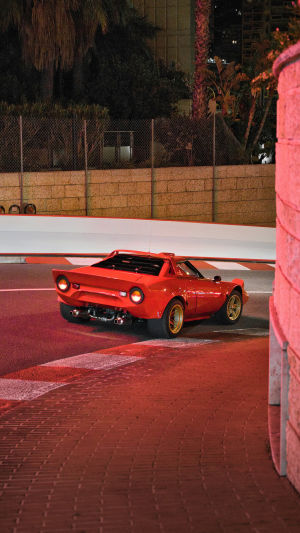
Hey Lykkers, have you ever wondered why sports cars feel so powerful the moment they start moving? It is not just about one single factor, but a combination of smart design, engineering choices, and advanced materials working together.
When we look closely, we can see that every detail is carefully planned to improve speed, control, and overall driving experience. Let’s explore the key reasons step by step in a simple and clear way.
<h3>Streamlined Shape Reducing Air Resistance</h3>
One of the most important reasons sports cars move so quickly is their streamlined body shape. When a vehicle travels at high speed, air becomes a strong opposing force. Engineers design the exterior of sports cars to reduce this resistance as much as possible.
We can notice that these cars often have smooth curves, low height, and carefully shaped fronts. Even the placement of mirrors and vents is optimized to guide airflow smoothly around the body. With less air resistance, the car does not waste as much energy pushing through the wind, allowing more of the engine’s output to turn into forward motion.
This aerodynamic approach also helps with stability. At higher speeds, the car stays more balanced, which gives drivers better control and confidence.
<h3>High-Output Engine Systems</h3>
Another major factor is the powerful engine systems found in sports cars. These engines are designed to produce strong output using advanced combustion and turbo techniques. The focus is not just on size, but on how efficiently energy is generated and delivered.
For example, some high-performance models can produce hundreds of horsepower, allowing them to accelerate extremely quickly. This strong energy output gives the vehicle the ability to reach high speeds in a short time.
We can think of the engine as the heart of the car. The stronger and more efficient it is, the more energy it sends to the wheels. Combined with precision tuning, this allows smooth and rapid acceleration without delay.
<h3>Lightweight Materials for Better Response</h3>
Weight plays a big role in how fast a car can move. Sports cars often use lightweight but strong materials such as carbon fiber and aluminum alloys. These materials reduce the overall mass of the vehicle while keeping it safe and durable.
When a car is lighter, it needs less energy to move forward. This improves acceleration, braking response, and handling. It also helps the car stay more agile when turning or changing direction quickly.
We can imagine it like this: if two vehicles have the same engine power, the lighter one will always feel quicker and more responsive. That is why reducing weight is a key focus in high-performance design.
<h3>Advanced Engineering and Smart Systems</h3>
Modern sports cars are not just about mechanical strength. They also rely on advanced electronic systems that help manage performance. These include traction control, stability systems, and real-time performance monitoring.
These technologies allow the vehicle to adjust power delivery depending on road conditions. For example, when the road is slippery or uneven, the system can balance power between wheels to maintain grip and stability.
We can also see how sensors and onboard computers help fine-tune every aspect of driving. This combination of mechanical power and digital control ensures that the car performs at its best in different environments.
<h3>Transmission and Braking Coordination</h3>
Another key reason for high speed performance is the transmission system. Sports cars use advanced gear systems that allow very fast and smooth gear changes. This means the engine can stay in its optimal power range without losing momentum during shifting.
At the same time, braking systems are equally important. High-performance brakes allow the car to slow down quickly and safely, which is essential when driving at high speeds. Good braking control also supports better handling during cornering and sudden changes in direction.
We can see that speed is not only about going fast, but also about controlling that speed effectively.
<h3>Final Thoughts</h3>
In the end, the impressive speed of sports cars comes from a combination of many elements working together. Aerodynamic design, powerful engine systems, lightweight materials, advanced technology, and precise transmission all play a role in creating that thrilling driving experience.
When we understand these factors, we realize that speed is not just about raw power. It is about balance, design, and intelligent engineering working as one system.
So Lykkers, next time you see a sports car passing by, take a moment to think about the complex engineering behind it. What other innovations do you think will shape the future of high-performance driving?


