

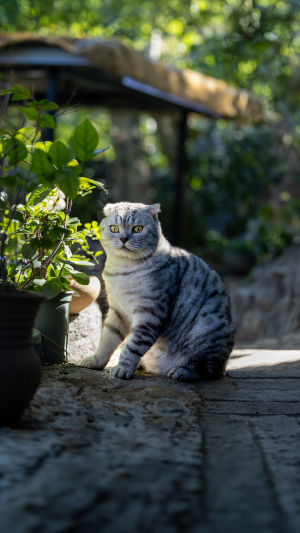
Friends and Lykkers, have we ever noticed how a cat often tries to climb onto shelves, tables, or the highest spot it can find in a room?
This behavior is not random or playful alone—it is deeply rooted in natural instincts that help cats feel safe, aware, and in control of their surroundings.
<h3>The Natural Instinct to Climb</h3>
Cats are both hunters and small prey animals in nature. Because of this dual role, they developed a strong instinct to seek elevated positions. Being up high allows them to observe their environment without being easily detected.
From a higher point, a cat can scan for movement, track sounds, and stay aware of any changes around them. This gives them a sense of control and security.
<h3>Safety and Territory Awareness</h3>
Height also provides cats with a feeling of safety. In elevated positions, they are less likely to be approached unexpectedly. This is especially important for animals that rely on quick reactions and awareness to stay safe.
Cats also use high places to mark their territory visually. Even without physical markings, simply occupying a space sends a signal that the area is familiar and part of their safe environment.
<h3>Comfort and Resting Preference</h3>
Higher surfaces are often quieter, less disturbed, and sometimes more comfortable for rest. Cats naturally prefer calm and stable environments where they can relax without interruption.
That is why they are often found resting on windowsills, cupboards, or the top of furniture where they can observe their surroundings peacefully.
<h3>Play and Exercise Behavior</h3>
Climbing is also a form of exercise. It helps cats build balance, coordination, and muscle strength. Jumping between surfaces keeps their reflexes sharp and supports their natural agility.
Even indoor cats show this behavior strongly, proving that it is instinctive rather than learned.
<h3>Understanding This Behavior</h3>
When cats climb onto high places, it is not mischief—it is instinct. Their behavior reflects natural survival adaptations focused on awareness, safety, and observation.
Providing safe elevated spaces at home can help support this natural need and promote healthier behavior patterns.
<h3>Closing Thoughts</h3>
Cats experience their world from different heights, which gives them confidence, calmness, and a better view of their surroundings.
Next time a cat chooses the highest spot in a room, we can understand it as more than curiosity—it is simply its natural way of feeling secure and aware in its environment.


