

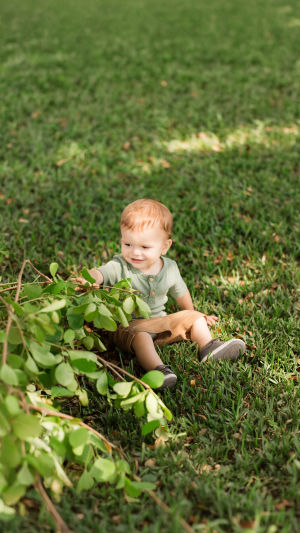
Hello Lykkers! When we think about early development, many of us focus on toys, learning tools, or indoor routines. But have we ever paused to notice how powerful the natural world can be for a little child’s growth?
From fresh air to soft grass under tiny feet, the environment outside offers more than just scenery. It becomes a living classroom where curiosity, movement, and emotions quietly develop together. In this article, we explore how we can gently guide a young child to grow with nature as a supportive companion.
<h3>Why Natural Surroundings Matter in Early Growth</h3>
For an infant or young child, every moment is a learning experience. Natural surroundings provide rich sensory input that helps build early understanding of the world.
Soft sunlight filtering through leaves, the gentle movement of plants, and the sound of wind all create simple but meaningful signals for developing awareness. These experiences support early perception skills and help little ones form connections between sight, sound, and touch.
At the same time, open spaces encourage movement. Crawling on grass, balancing on uneven ground, or simply reaching for a leaf all help improve coordination and body control. These small actions build strength and confidence step by step.
<h3>Sensory Exploration Through Everyday Nature</h3>
We can easily support sensory development by spending time outdoors with a child.
- Visual experiences come from changing colors in flowers, trees, and skies. Each season brings new patterns that naturally attract attention and curiosity.
- Sound awareness grows through birdsong, flowing water, or rustling leaves. These gentle sounds help a young mind recognize rhythm and differences in tone.
- Touch plays an equally important role. Soft petals, rough bark, cool stones, and warm soil give varied textures that encourage exploration. Each touch helps build a clearer understanding of physical properties.
- Even smell becomes part of learning. Fresh air mixed with plant scents creates subtle but meaningful impressions that enrich early perception.
<h3>Movement and Physical Confidence in Open Spaces</h3>
Outdoor areas naturally support movement development. A soft field allows crawling and early walking practice without pressure. Uneven ground encourages balance, helping a little child adjust posture and stability.
Simple natural obstacles like small stones or gentle slopes invite stepping and climbing. These actions strengthen muscles and improve coordination in a playful way.
Water play also adds variety. Whether it is dipping hands in a shallow stream or feeling water flow between fingers, these moments create new physical experiences that support awareness of motion and resistance.
Through these simple interactions, we see how movement becomes both learning and enjoyment.
<h3>Emotional Balance and Curiosity in Natural Settings</h3>
Time outdoors also supports emotional development. Open space and fresh surroundings can help a young child feel relaxed and comfortable.
Curiosity naturally increases when encountering insects, plants, or shifting light patterns. Instead of structured instruction, learning happens through observation and gentle exploration.
A sense of safety grows when caregivers are present during these experiences. The combination of freedom and protection helps build trust and emotional stability over time.
We often notice that after outdoor time, mood becomes calmer and attention more focused, showing how strongly environment influences emotional state.
<h3>Bringing Nature into Everyday Family Life</h3>
We do not always need long trips to connect with nature. Simple daily habits can make a difference.
Short outdoor walks, even around a neighborhood park, allow regular exposure to fresh surroundings. At home, a small plant corner can bring greenery indoors, offering a daily visual connection to living elements.
Season-based activities also help. Watching flowers bloom, collecting fallen leaves, or observing seasonal changes turns ordinary moments into shared discovery experiences.
Creative play using natural materials such as leaves or small stones can further encourage imagination and hand skills. These simple activities help a child see beauty in everyday surroundings.
<h3>Safety and Gentle Care During Exploration</h3>
While exploring outdoors, we keep a few simple care points in mind. Choosing clean and safe spaces ensures a comfortable experience. Sun protection such as hats or light coverings can help during bright hours.
Light protective clothing may also be useful in areas with plants or insects. Carrying basic care items when going out adds extra reassurance.
With these small steps, outdoor time remains both enjoyable and secure.
<h3>Closing Reflection: Growing Together with Nature</h3>
Lykkers, nature is more than a background setting—it is a gentle partner in early development. Through movement, sensory discovery, and emotional comfort, it supports a young child in quiet but meaningful ways.
When we take time to step outside together, we are not just observing the world—we are building shared memories and encouraging natural growth at the same time.


