

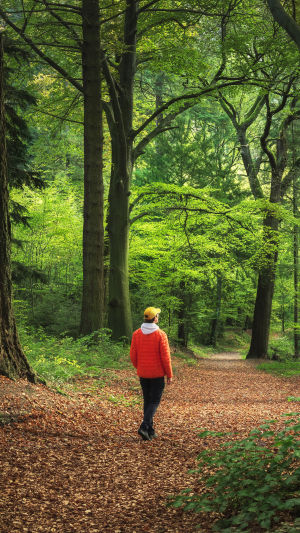
Let's talk about something that's right under our noses, or more accurately, towering above our heads.
Forests aren't just beautiful natural landscapes. They are among the planet's most important natural systems, helping regulate climate, support biodiversity, and store carbon. Today, forests play a complex role in climate change, acting as both a solution and an ecosystem under increasing environmental pressure.
<h3>The Double Role of Forests</h3>
Forests have a two-fold role in climate change, acting as both a source and a solution for greenhouse gas emissions. Human activities such as deforestation and forest degradation release large amounts of stored carbon into the atmosphere, contributing to climate change.
Around 25% of global greenhouse gas emissions come from the land sector, and approximately half of those emissions are linked to deforestation and forest degradation. Protecting forests is therefore an important part of reducing emissions and supporting climate stability.
<h3>Nature's Carbon Storage System</h3>
Forests provide one of the world's most effective natural methods of carbon storage.
Every year, forests absorb approximately 2.6 billion tonnes of carbon dioxide from the atmosphere. Through photosynthesis, trees remove carbon dioxide and release oxygen while storing carbon in their trunks, branches, roots, and surrounding soils. This natural process helps regulate global temperatures and supports a healthier environment.
<h3>The Restoration Opportunity</h3>
There is significant potential to expand the benefits forests provide.
Nearly two billion hectares of degraded land worldwide offer opportunities for restoration. Rehabilitating these landscapes can improve ecosystem health, increase carbon storage, enhance biodiversity, and strengthen resilience to environmental change.
Research indicates that protecting existing forests and restoring degraded ecosystems could contribute substantially to the climate mitigation efforts needed over the coming decades.
<h3>When Forests Face Pressure</h3>
Although forests help reduce the effects of climate change, they are also affected by changing environmental conditions.
Shifts in rainfall patterns, rising temperatures, and more frequent extreme weather events can influence forest health, productivity, and habitat quality. In some regions, warmer and drier conditions have increased the likelihood of larger and more severe wildfires, while changing conditions can also support the spread of forest pests.
Maintaining healthy and resilient forests is therefore increasingly important for long-term environmental sustainability.
<h3>The Value of Wood Products</h3>
Forests provide climate benefits beyond their natural ecosystems.
Trees capture carbon from the atmosphere, and some of that carbon can remain stored in long-lasting wood products such as construction materials and furniture. When forests are managed responsibly and harvested areas are allowed to regenerate, new trees continue absorbing carbon, extending the environmental benefits over time.
Forests are among the world's most valuable natural allies in addressing climate change. They absorb carbon dioxide, support biodiversity, regulate environmental systems, and contribute to healthier ecosystems. Protecting existing forests and restoring degraded landscapes are practical and effective ways to support a more sustainable future. As environmental challenges continue to evolve, healthy forests will remain essential to maintaining climate stability and ecological balance.


