

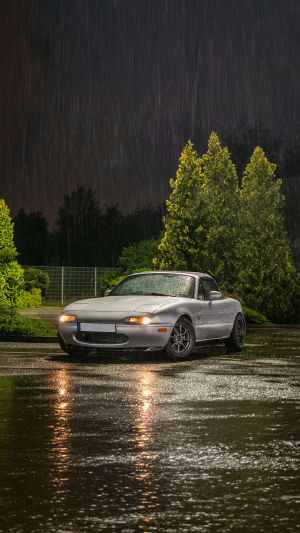
So, you're driving through one of those sudden downpours where the wipers can barely keep up and the road seems to disappear beneath a curtain of rain.
Heavy rain does more than reduce visibility. It changes how your vehicle responds, affects traction, and increases stopping distances. According to road safety data, approximately 47% of weather-related vehicle crashes occur during rainfall, making wet-weather driving a situation every motorist should be prepared to handle.
<h3>Slowing Down Is Not Optional</h3>
Reducing speed is one of the most effective ways to stay safe on wet roads, especially after a long dry spell. Dirt, dust, and oil can accumulate on road surfaces during dry weather, and rain can temporarily make these surfaces more slippery.
In heavy rain, vehicles require more distance to slow down safely. Avoid sudden braking or sharp steering movements. Instead, make smooth, gradual adjustments and allow yourself extra time to react to changing conditions.
<h3>Give Yourself Space</h3>
Maintaining a safe following distance becomes even more important when roads are wet. Increased stopping distances mean drivers need more space and more time to respond safely to unexpected situations.
It is also wise to leave additional room around large vehicles. Trucks and buses can create heavy spray that significantly reduces visibility, making it harder to see traffic conditions ahead.
<h3>Turn Off Cruise Control</h3>
Cruise control is best avoided during wet-weather driving. Maintaining direct control of your vehicle's speed allows you to respond more quickly if road conditions change or traction becomes limited.
Staying actively engaged with speed management can help improve vehicle control during periods of heavy rainfall.
<h3>Keep Your Lights On</h3>
Using headlights during rain improves visibility for both you and other road users. Even during daylight hours, headlights make vehicles easier to see in poor weather conditions.
Use low-beam headlights in heavy rain, as high beams can reflect off raindrops and create additional glare that reduces visibility.
<h3>Handling Hydroplaning</h3>
Hydroplaning occurs when a layer of water separates the tires from the road surface, causing a temporary loss of traction.
If your vehicle begins to hydroplane, remain calm. Ease off the accelerator gradually and continue steering smoothly in the direction you want the vehicle to travel. Avoid sudden braking or abrupt steering corrections until traction returns.
To reduce the risk of hydroplaning, slow down during heavy rain, avoid standing water when possible, and ensure your tires are in good condition.
<h3>When to Pull Over</h3>
If visibility becomes severely limited or driving conditions feel unsafe, consider pulling over until conditions improve.
Choose a safe location away from moving traffic, such as a parking area or designated rest stop. Once safely parked, make your vehicle visible to other road users and wait for the heaviest rain to pass before continuing your journey.
<h3>Check Your Vehicle First</h3>
Before setting out, perform a quick inspection of your vehicle.
Check that your tires have sufficient tread depth and proper inflation. Worn or underinflated tires can reduce traction on wet roads and increase the likelihood of losing control.
Inspect your windshield wipers, headlights, taillights, turn signals, and tire condition. Replacing worn components before severe weather arrives can significantly improve safety and visibility.
Heavy rain does not have to be intimidating. With proper preparation, reduced speeds, increased following distances, and smooth driving inputs, motorists can greatly improve safety in wet conditions.
A few simple precautions before and during a storm can help maintain vehicle control, improve visibility, and make every journey safer when the weather turns wet.


