

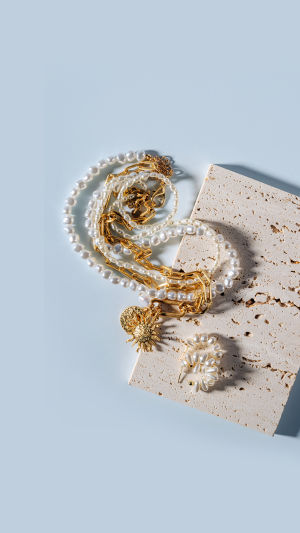
Picking out a ring or a necklace shouldn't feel like solving a logic puzzle. Most people already know what they like—they just haven't named it yet.
The piece that's right for you is usually the one you keep coming back to after scrolling through everything else. That instinct is worth trusting, and a few clear anchors can help point you in the right direction more quickly and confidently.
<h3>Know Your Style Anchor First</h3>
Before anything else, figure out which aesthetic you naturally gravitate toward.
Classic and timeless: You prefer clean lines, quality materials, and pieces that work ten years from now as well as they do today.
Modern and minimal: You want restraint—something where every element earns its place, with no unnecessary decoration.
Bold and expressive: You enjoy distinctive pieces and are drawn to wider rings, noticeable gemstones, and designs that attract attention.
Romantic and warm: Soft curves, warm-toned metals, and colored stones with emotional appeal.
Edgy and unconventional: Darker gemstones, unusual shapes, and pieces that stand apart from traditional designs.
Most people identify with one or two of these styles. Knowing your anchor point makes shopping much faster and more focused.
<h3>Picking a Ring That Suits You</h3>
For classic taste, look for solid metal bands, balanced proportions, and minimal embellishment.
For a modern and minimal approach, slim profiles, clean edges, and polished finishes work well.
Those who prefer bold styles may enjoy wider bands, larger gemstones, and designs with greater visual presence.
Romantic aesthetics often pair beautifully with warm-toned metals and softly colored gemstones.
For an edgier direction, darker stones and unconventional motifs can create a distinctive look.
Practical factors also help narrow your choices. Is the ring intended for daily wear or special occasions?
Daily-wear rings should prioritize durability and materials known for their resistance to everyday wear. Occasion rings can accommodate more decorative or dramatic designs.
Also consider finger proportions. Wider rings often complement longer fingers, while slimmer bands can create a balanced look on shorter or more petite hands.
<h3>Choosing a Necklace That Works With Your Wardrobe</h3>
With necklaces, length is important.
An approximately 18-inch chain falls near the collarbone and works well for many body types and necklines, making it a reliable everyday choice.
For layering, a 20–22 inch piece often pairs well underneath.
Petite frames may prefer 16-inch necklaces that sit closer to the neck, while taller individuals can often wear longer chains comfortably.
The neckline of what you're wearing should guide your choice.
A V-neck naturally complements a pendant that echoes its shape.
Off-the-shoulder necklines often pair well with shorter statement necklaces positioned near the collarbone.
High necklines leave less visible space for a necklace, making earrings or bracelets effective alternatives.
When in doubt, a simple pendant on an 18-inch chain remains one of the most versatile jewelry combinations.
<h3>Combining Different Styles</h3>
Not everyone fits neatly into a single style category, and that's perfectly normal.
Someone with a minimalist wardrobe may enjoy one bold ring as a standout piece. Likewise, a person who prefers romantic styles may appreciate a more unconventional design that adds contrast.
Building a collection that combines different influences often creates more visual interest than following a single style exclusively.
A slim, minimalist band paired with a statement ring can create a balanced and distinctive look.
Start with one ring or necklace that feels genuinely right for you and build your collection gradually from there.
The most successful jewelry choices are often the pieces that align with your personal style, fit comfortably into your wardrobe, and remain enjoyable to wear over time. By understanding your style preferences, considering practical factors, and choosing versatile designs, you can create a collection that feels both authentic and timeless.


