

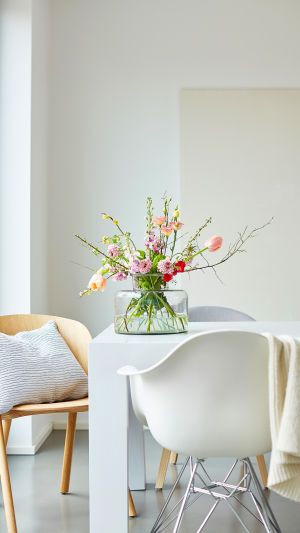
If you've ever looked at a gorgeous floral arrangement and wondered what happens behind the scenes, you're not alone.
The flower industry has always celebrated nature's beauty, but not all of its practices have fully respected the environment.
As consumers become more conscious of the environmental impacts of the industry, the demand for eco-friendly floral practices is on the rise. So, can flower art really be sustainable? The answer is yes, and the transition is already underway.
<h3>What Makes Floral Design Sustainable?</h3>
Sustainable floristry integrates environmentally responsible practices into every aspect of floral design. It is more than simply selecting beautiful flowers. For many designers, it begins with locally grown, non-invasive plants and flowers, ensuring they have not been treated with harmful chemicals and building relationships with local growers. When flowers are sourced locally, they are often fresher and require less transportation. Sourcing flowers from nearby producers can help reduce transportation-related emissions while supporting local economies.
Beyond sourcing, sustainable design considers every detail. Designers evaluate additional elements involved in the design process, such as placement, containers, water sources, structural mechanics, and support materials. Nothing is overlooked when the goal is to minimize environmental impact.
<h3>Ditching Floral Foam</h3>
One of the biggest shifts in sustainable flower art is moving away from traditional floral foam. Reliance on single-use plastic-based hydration materials is decreasing as awareness of their environmental impact continues to grow. Traditional floral foam is made from plastic-based materials that can break down into microplastic particles, creating environmental concerns.
Using eco-friendly alternatives such as recycled containers, reusable support structures, and foam-free design techniques contributes to environmental conservation while appealing to environmentally conscious clients. Sustainability in design can involve repurposing everyday materials, creating decorative structures from natural branches, or using reusable flower-support systems instead of disposable materials. These alternatives are not only better for the environment but also encourage greater creativity in floral design.
<h3>Creative Materials and Unique Designs</h3>
This is where sustainable floristry becomes especially innovative. Sustainable floral installations often incorporate natural elements that add texture, depth, and character to designs. Branches, moss, seasonal flowers, and repurposed materials can be combined to create distinctive arrangements.
When designers work with locally available and seasonal materials, they are encouraged to explore new ideas and creative approaches. What may initially seem like a limitation often becomes a source of inspiration.
These environmentally conscious practices continue to expand creative possibilities in floral design, resulting in memorable arrangements that leave lasting impressions while reducing environmental impact.
<h3>The Bigger Picture</h3>
Sustainable floral design aims to minimize waste and reduce the environmental footprint associated with traditional floristry practices. It is not simply about one arrangement or one event; it represents a broader shift toward more responsible industry practices.
Adopting sustainable methods in floral design demonstrates a commitment to ethical and environmentally responsible artistic expression. As awareness of environmental issues grows, florists and consumers alike are paying closer attention to how their choices affect the natural world.
Every decision matters, from selecting seasonal flowers to choosing reusable materials and reducing waste throughout the design process.
Flower art can absolutely be sustainable. Through thoughtful sourcing, environmentally responsible materials, and creative design techniques, floral artists can create beautiful arrangements while reducing their impact on the environment. Whether working professionally or arranging flowers at home, individuals can make choices that support both artistic expression and environmental stewardship. As sustainable floristry continues to evolve, it demonstrates that beauty and responsibility can successfully go hand in hand.


