

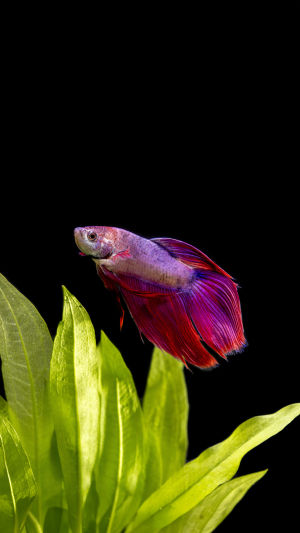
Welcome back, Lykkers! Have you ever noticed a cluster of tiny bubbles floating on the surface of your betta aquarium?
Known as bubble nests, these structures are a natural behavior of betta fish and one of their most distinctive traits.
Understanding why bettas build them offers valuable insight into their instincts, adaptations, and reproductive behavior.
<h3>What Exactly Is a Bubble Nest?</h3>
A bubble nest is a collection of air bubbles deliberately created by a betta fish at the water's surface. Unlike ordinary bubbles produced by filters or aeration devices, these bubbles are coated with mucus and saliva, making them more durable and resistant to breaking.
In aquariums, bubble nests often appear in corners, beneath floating plants, or along the glass. In the wild, bettas typically construct them beneath floating vegetation, where they are protected from wind, rain, and water movement. Although the structure may appear delicate, it serves an important purpose. Each bubble contributes to a floating nursery that helps protect developing eggs during reproduction.
<h3>The Biological Adaptation Behind the Behavior</h3>
Bubble nest construction is possible because bettas belong to a group of fish known as labyrinth fish. These species possess a specialized respiratory adaptation known as the labyrinth system. Unlike most fish, which rely entirely on dissolved oxygen in water, bettas can also breathe atmospheric air.
When a betta rises to the surface and takes a gulp of air, oxygen is absorbed through specialized breathing structures and transferred into the bloodstream. This adaptation evolved because wild bettas inhabit shallow wetlands, floodplains, rice paddies, and other slow-moving waters in tropical regions.
These habitats often experience low oxygen levels, particularly during periods of high temperature. Because bettas regularly access the water's surface to breathe, they have developed the ability to manipulate air bubbles and incorporate them into nest-building behavior.
<h3>How Bettas Build Their Floating Nurseries</h3>
Building a bubble nest is a surprisingly organized process. A male betta first selects a location that appears calm and protected. Once a suitable site has been chosen, he repeatedly gulps air from the surface and releases bubbles coated with saliva. This sticky coating allows the bubbles to adhere to one another instead of bursting immediately. Over time, hundreds of individual bubbles accumulate to form a dense floating structure.
Environmental conditions can significantly influence nest quality. Calm water generally supports the formation of larger nests, while strong currents may disperse bubbles before the structure is completed. Natural tannins released from driftwood, leaf litter, or other botanical materials may also help improve nest stability by creating conditions similar to those found in the betta's natural habitat.
<h3>Why Bubble Nests Are Important for Reproduction</h3>
The primary function of a bubble nest is reproduction. In most cases, mature male bettas construct nests when they are ready to breed. During courtship, the male and female engage in a complex spawning process. After fertilization occurs, the male carefully collects the eggs and places them within the bubble nest.
The eggs remain suspended inside the structure rather than sinking to the bottom. The male then assumes the role of guardian, continuously monitoring the nest, retrieving fallen eggs, and gently circulating water around them with his fins. These actions help reduce the risk of fungal growth and improve oxygen availability.
The nest remains important even after the eggs hatch. Newly emerged fry have not yet fully developed their air-breathing capability and depend heavily on oxygen-rich water near the surface. Remaining within the nest increases their chances of survival during this vulnerable stage of development.
<h3>Does a Bubble Nest Indicate a Happy Betta?</h3>
One of the most common misconceptions in fishkeeping is that a bubble nest automatically indicates happiness. While healthy bettas are generally more likely to display natural behaviors, nest-building alone is not a reliable measure of overall well-being.
Conversely, many healthy bettas living in spacious, well-maintained aquariums may never build noticeable nests. Individual temperament, age, genetics, and breeding readiness all influence this behavior. Rather than relying solely on bubble nests, fish keepers should evaluate overall health through factors such as appetite, coloration, activity level, fin condition, and responsiveness to the environment.
<h3>What Should You Do During Water Changes?</h3>
Routine aquarium maintenance should not be postponed simply to preserve a bubble nest. Clean water is far more important to a betta's long-term health than maintaining the structure. If a nest is accidentally disturbed during maintenance, most males can rebuild it relatively quickly.
For those attempting to raise fry, additional caution may be beneficial. Using narrow tubing for slow siphoning and minimizing surface disturbance near the nest can help reduce the likelihood of damage.
Bubble nests are much more than floating clusters of bubbles. They are a remarkable adaptation that reflects the betta's unique biology, reproductive instincts, and ability to thrive in challenging environments. By understanding the purpose behind this behavior, fish keepers can gain a deeper appreciation for the natural traits that make bettas one of the most fascinating and recognizable aquarium species.


