

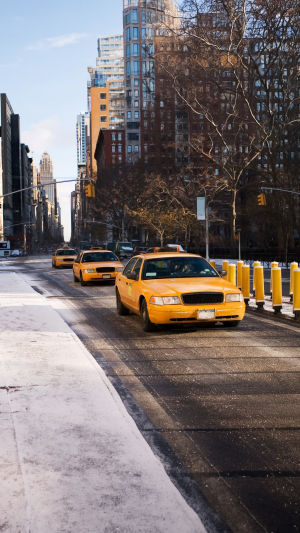
The first taxi ride in a new city has a way of setting the tone for everything that follows.
After a long flight, fatigue and unfamiliarity can make travelers vulnerable to scams.
The good news is that most taxi drivers are genuinely honest, and the ones who aren't are usually operating predictable patterns that are straightforward to spot and sidestep.
Rick Steves, who has decades of experience navigating Europe's transport systems, puts it directly: most cabbies are honest, but the problem concentrations are at airports and major train stations. These are the places where drivers know travelers are jet-lagged, travel-weary, and more likely to accept a price without questioning it.
Unofficial people who approach you inside the terminal and offer to help you find a taxi are a reliable red flag. In many cities, this is the beginning of a scam that ends with a dramatically inflated fare or worse.
The safer move is straightforward: walk past anyone soliciting rides inside the terminal, head for the clearly marked official taxi queue outside, and join the line. Nearly every European airport has easy public transit access to the city center as well, and in many cases it's faster and cheaper than any cab.
<h3>The Most Common Tricks and How to Spot Them</h3>
One of the most widespread overcharging tactics is the meter rate switch. Many taxis in Europe have multiple rate settings: a standard daytime rate and a higher rate for nights, early mornings, and weekends. Some drivers select the premium rate during regular daytime hours, counting on tourists not to notice.
An explanation of the different meter rates is usually posted somewhere in the cab, often in English. If the displayed rate looks high or unfamiliar, ask the driver to explain which tariff is active.
The "broken meter" excuse is another classic. If a driver claims the meter isn't working and suggests a flat rate, that flat rate will almost always be substantially above the real fare. Either choose a different cab or, if no metered cabs are available in the area, ask around at a nearby hotel or business to understand what a reasonable fare should be before agreeing to anything.
Counterfeit change is a risk, particularly with large bills. When handing over cash, state the denomination out loud clearly as you give it: "Here's a fifty." Some drivers are skilled at palming your bill and replacing it with a smaller one, then claiming you handed them less than you did. Paying with small bills whenever possible removes this risk entirely. If you only have large bills, the verbal confirmation and careful counting of change afterward protects you.
<h3>Practical Steps Before and During Every Ride</h3>
Before getting in a cab, verify it's legitimate. An official taxi has a prominently displayed taxi company name and phone number, a fare meter, and usually the driver's license number visible inside the cab. Unmarked vehicles with improvised taxi signs on the roof are not licensed cabs, regardless of how convincingly they're positioned at the taxi stand.
Looking up an estimated fare before your trip can help you compare taxi prices with other transportation options and avoid unexpected charges. Your hotel is another reliable resource: asking the front desk what a taxi to a specific destination should cost takes thirty seconds and gives you a real benchmark.
During the ride, following the route on your phone's map is a subtle but effective deterrent against deliberate detours. If a driver knows you're tracking the route, the motivation to add unnecessary distance disappears. Noting the cab number or taking a quick photo of the license plate before departure takes five seconds and makes reporting any issue straightforward afterward.
Pay exactly when possible, or very close to it. The trick of claiming no change is available and pocketing the difference is common enough that carrying small local currency from the start is worth the effort.
The bottom line is that a bit of knowledge and calm attention goes a long way. Research typical fares before you need them, use official queues, verify the meter is running, and track your route. Most rides will be completely uneventful, and the few that might not be won't catch you off guard. What's been your most memorable taxi experience in a foreign city?


