

There's a reason some places get overcrowded.
Everyone wants to see Machu Picchu. Everyone wants to stand in front of the Colosseum. And with so much travel information available online today, more people than ever are showing up at the same spots, at the same time, with the same plan.
The good news is that even the most visited places on earth can be experienced in relative peace. It just requires making slightly more effort than the average traveler.
The most reliable strategy is also the least glamorous: travel off-season. Fewer people travel during low season because of obvious trade-offs like shorter days, cooler temperatures, or unpredictable weather. But those downsides are often overstated, and the upsides are real. Prices drop. Accommodation is easier to find. And the atmosphere at popular sites shifts completely.
The stress that hangs in the air during peak months lifts, and even well-worn destinations feel genuinely fresh. Shoulder seasons, the weeks just before or after peak, often deliver the best of both worlds: decent weather without the crowds.
<h3>Timing Your Arrival Makes a Significant Difference</h3>
Starting early is uncomfortable, but it consistently works. Most tourists are not morning people, and the window before a site fills up is often the best version of a place you'll ever see. Arriving at Petra before opening time meant the ancient trail was nearly empty. Getting to Machu Picchu at first light means the stone structures are wrapped in mist rather than surrounded by selfie sticks.
Conversely, arriving late in the afternoon catches the tail end of crowds as tour groups wrap up. At many museums, the last two hours of the day see noticeably thinner visitor numbers. Midweek visits also help, since weekends draw both international tourists and local day-trippers simultaneously. Long holiday weekends are the single worst time to visit any popular destination, regardless of country.
<h3>Adjust Your Route and Transportation</h3>
Tour groups are predictable. If every organized bus tour leaves at 8am, taking public transport and arriving at 11am means walking into a place as most of the group visitors are leaving. This simple inversion works at national parks, archaeological sites, and beach destinations alike.
For destinations built around loops, whether hiking trails or scenic drives, going the less popular direction can mean arriving at each stop at a different time than the crowd. The downsides of the alternative direction might be real: the light is less ideal, the approach is steeper, the view slightly different. But you'll often have spots entirely to yourself that the other group found packed.
Staying overnight at heavily visited day-tripper destinations is another effective move. Smaller towns like Barichara in Colombia, or coastal villages near major cities, transform completely once the bus tours and solo day-visitors head back. Staying even one night gives you hours of a place that feels like it belongs only to you.
<h3>Go Deeper, Walk Further</h3>
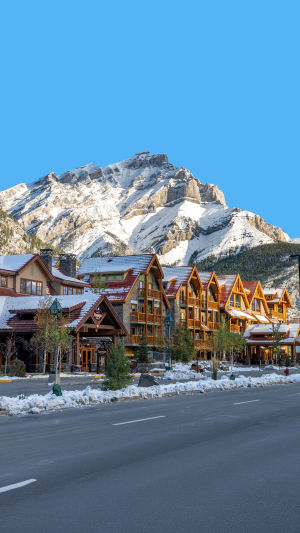
At Banff National Park, the lakeshore is always packed. Hiking 30 minutes above it to Sentinel Pass or the Plain of Six Glaciers drops the crowd dramatically. The harder and longer the hike, the fewer people you'll meet. At beach destinations, the stretch within easy walking distance of the parking area is always busiest; ten minutes in either direction along the shoreline changes everything.
Also worth remembering: cruise ship schedules are public. Port cities, especially smaller ones like Dubrovnik or Cartagena, become completely different places when a large ship is in dock. Checking the port's schedule before arrival is a simple five-minute task that can reshape your entire experience of a destination.
The underlying principle in all of these strategies is the same: the crowd will always take the path of least resistance. Going slightly further, staying slightly longer, or timing your visit slightly differently puts you in a version of the same place that most travelers never see. What's one iconic spot you've always wanted to experience without the crowds?


