

Here's an honest confession from outdoor educator and adventure writer Jacey West: she's left a trace.
Early in her hiking years, she picked wildflowers, skipped checking the weather, and left toilet paper behind on the trail.
She cringe-remembers it now. Most people who love the outdoors have a version of that story. The Leave No Trace principles exist not to shame anyone, but to give a practical framework for moving through natural spaces with more awareness and less damage. It's fundamentally about respect: for the ecosystem, for other visitors, and for the people who will come after us.
The first principle is planning, and it's the most important one. Knowing the regulations for the specific area you're visiting, checking current fire conditions, understanding the terrain and weather, and packing the right gear are all things that prevent well-meaning visitors from causing accidental harm.
Someone who packs inadequate supplies and gets lost sends search and rescue into sensitive habitat. Someone who doesn't check fire regulations starts a campfire in a drought-stressed area. Good planning protects both the traveler and the land.
<h3>Stay on Established Trails and Camp on Durable Surfaces</h3>
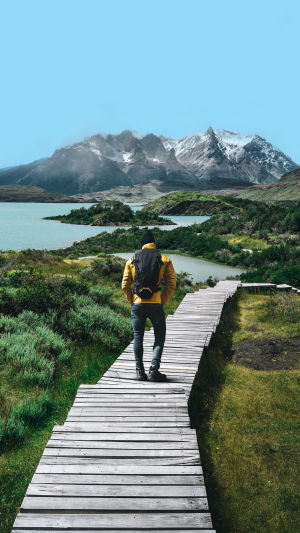
Wandering off-trail feels like adventure, but it causes genuine, cumulative damage. Vegetation in alpine zones, desert soils, and fragile meadows can take decades to recover from foot traffic. Established trails exist precisely because concentrating impact on durable surfaces like rock, gravel, and hardened paths protects the surrounding ecosystem from the kind of erosion and habitat fragmentation that spreads invisibly until it becomes irreversible.
When camping, choosing a site that has clearly been used before is the right call. Camping at least 200 feet (about 70 full paces) from lakes, streams, and rivers protects water sources and the wildlife that depends on them. Setting up on rock, dry grass, or bare dirt minimizes impact on soil structure and plant life.
<h3>Dispose of Waste Properly and Leave What You Find</h3>
The pack-it-in, pack-it-out principle is non-negotiable and extends beyond food packaging to include food scraps, fruit peels, and anything else brought into the wild. Biodegradable items left on the trail still alter the soil chemistry and attract animals to human-traffic areas in ways that disrupt natural behavior.
When restroom facilities are not available, solid waste should be buried in a cat hole six to eight inches deep, dug at least 200 feet from any water source, trail, or campsite. Used toilet paper and hygiene products should be packed out in a sealed bag, not buried. In sensitive environments like alpine zones and heavily trafficked areas, a Wag Bag, which is a portable toilet system designed for complete waste pack-out, is the best option and is required in some locations.
The principle of leaving what you find covers natural objects and cultural artifacts equally. Rocks, flowers, shells, fossils, and historic structures should stay where they are. "Only take pictures and leave footprints" is the version most people know, and it holds.
<h3>Campfires and Wildlife Require Extra Care</h3>
87% of wildfires are caused by human activity. Before building a campfire anywhere, check local fire restrictions. If a fire is allowed and appropriate, keep it small, use established fire rings, and use only dead wood from the ground. Extinguishing a campfire completely means dousing it, stirring the ash, adding more water, and stirring again until the embers are cold to the touch. A warm fire is not an extinguished fire.
Feeding wildlife is one of the most well-intentioned harmful actions a visitor can take. Animals that associate humans with food alter their behavior in ways that make them vulnerable to predators, reduce their natural foraging, and can ultimately lead to their removal from areas frequented by visitors. Observe from a distance. Store food in secured containers, not in tents or car interiors. Keep camp clean.
The bonus principle Jacey adds is social media awareness: sharing the specific location of sensitive natural spaces online can send thousands of unprepared visitors to fragile ecosystems. Thoughtful geotagging, or choosing not to tag at all, is part of how responsible travelers protect the places they love most.
Leave No Trace isn't about being perfect. It's about caring enough to do better each time. What's one small habit you could change on your next outdoor trip that would leave the trail genuinely better than you found it?


