

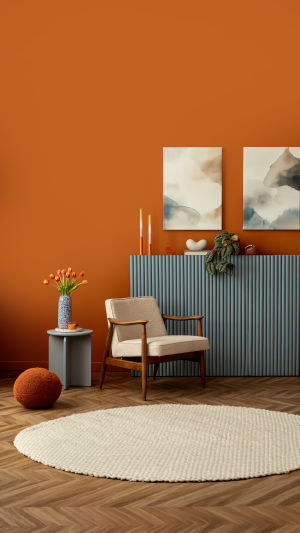
Color trends in interior design continue to evolve beyond aesthetics, influencing how spaces feel and function.
Today, homeowners are increasingly choosing colors that create warmth, personality, and a stronger emotional connection within their living environments.
Rather than relying on purely minimal and neutral palettes, modern interiors are embracing a balance of comfort, character, and visual depth.
<h3>The Warm Neutral Revolution</h3>
Nature-inspired warm neutrals such as wheat, caramel, terracotta, and warm grays with taupe and greige undertones continue to gain popularity in residential design. Unlike the cooler gray tones that dominated previous years, these shades create a more grounded and inviting atmosphere.
Warm neutral palettes offer versatility while adding softness and depth to a room. They also pair effectively with natural materials such as wood, stone, linen, and organic textures, helping create interiors that feel comfortable and lived-in.
Accent shades such as burnt umber, clay, and dusty sage are also becoming increasingly common. These earthy tones add visual interest without overpowering a space, making them suitable for a variety of design styles.
<h3>Bold Colors Return as Statement Features</h3>
Alongside neutral palettes, stronger and more expressive colors are also gaining attention in interior design. Shades such as electric blue and vibrant green are appearing in selected kitchen designs and contemporary trend forecasts, while bold colors are increasingly being used as statement elements throughout the home.
Colors with stronger visual impact can introduce energy and personality into a space when used thoughtfully. Whether applied through cabinetry, feature walls, furniture, or decorative accents, bold shades can create distinctive focal points and strengthen the overall character of a room.
Teal tones, in particular, have gained attention among trend forecasters because they offer a balance between calming and energetic qualities, making them adaptable across different interior styles.
<h3>The Return of Monochromatic Design</h3>
Monochromatic design schemes are also re-emerging with a more refined approach. Rather than using identical shades throughout a room, contemporary monochromatic interiors focus on layering multiple tones within a single color family.
For example, a blue-themed room may combine deep navy textiles, soft powder-blue elements, and metallic bluish-gray finishes. The variation in texture, materials, and shade creates visual interest while maintaining a cohesive and sophisticated appearance.
This approach allows interiors to remain clean and minimal without appearing flat or repetitive.
<h3>The Psychological Influence of Color</h3>
Color plays an important role in shaping emotional perception and atmosphere within interior spaces. Research in environmental psychology has shown that color can influence mood, comfort, and the overall experience of a space.
As a result, homeowners are increasingly selecting palettes that reflect personal preferences and support the type of environment they want to create. Warm and earthy shades often promote comfort and relaxation, while stronger colors can add energy and expression.
Interior design is moving beyond purely visual appeal and placing greater emphasis on how spaces make people feel.
Current color trends reflect a broader shift toward individuality, comfort, and emotional connection within the home. Through warm neutrals, carefully selected statement colors, and layered monochromatic palettes, interior spaces are becoming more personal and welcoming.
As design preferences continue to evolve, color remains one of the most effective tools for creating spaces that are not only visually appealing but also meaningful and functional.


