

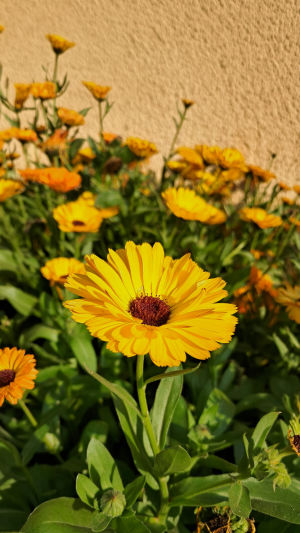
Hello Lykkers, today we explore a plant that many gardeners quietly love—Calendula officinalis. It is often called garden marigold in daily gardening conversations.
What makes it so special is its bright, warm color and its ability to bloom for a long time with very simple care.
We do not need complicated techniques to enjoy it. With a bit of sunlight, balanced watering, and a light touch in maintenance, we can keep it cheerful for many weeks. Let’s walk through its growth habits and practical care together.
<h3>What Makes Calendula officinalis So Popular</h3>
This plant is known for its glowing yellow to orange petals that look like small suns in a container or garden bed. It grows quickly, adapts well to different environments, and brings color even when other plants are still resting.
We often choose it for home gardens because it is forgiving. Even if care is not perfect, it still manages to grow and bloom. It also attracts helpful insects, which makes the garden feel more alive and balanced.
Another interesting point is its long flowering period. With proper care, it can continue blooming from cooler seasons into warmer months, offering a steady visual highlight.
<h3>Sunlight: The Core Energy Behind Strong Blooms</h3>
For Calendula officinalis, light is everything. We should place it in a bright space where it can receive several hours of direct sunlight daily.
When light is sufficient, the plant grows compact and full. The flower color becomes richer and more vibrant. If light is limited, the stems may stretch and the blooming cycle becomes weaker.
We can think of sunlight as its daily energy source. A bright balcony, garden edge, or open windowsill can all work well. The more consistent the light, the more stable the flowering.
<h3>Soil and Container Setup: Keeping Roots Comfortable</h3>
Healthy roots help the plant stay strong. This flower prefers soil that is loose and drains well. We can mix regular garden soil with organic matter and a small amount of sand to improve airflow.
When planting in containers, drainage holes are very important. A thin layer of small stones or ceramic pieces at the bottom helps water move freely and prevents stagnation.
We do not need special soil formulas. As long as the soil is light and not compacted, the plant usually adapts quickly and grows smoothly.
<h3>Watering: Finding a Simple and Stable Rhythm</h3>
Watering is best kept balanced. We aim for soil that stays slightly moist but not overly wet.
A simple habit helps: we check the top layer of soil before watering again. If it feels dry, we add water slowly until it reaches deeper layers.
During warm days, the plant may need water more often. In cooler conditions, we reduce watering to avoid excess moisture. Good drainage always supports healthier roots.
<h3>Feeding: Light Nutrition for Continuous Flowers</h3>
To support steady blooming, we can provide light nutrition during growth periods. A diluted balanced plant feed once a month is usually enough.
When buds start forming, we can shift to a nutrient blend that supports flowering. This helps increase the number of blossoms and keeps colors bright.
We avoid overfeeding because this plant responds better to gentle care. Too much nutrition can lead to fast leaf growth instead of flowers, so balance is key.
<h3>Pruning: Helping the Plant Stay Full and Neat</h3>
Pruning plays an important role in shaping Calendula officinalis. When young plants grow a few sets of leaves, trimming the top encourages branching.
More branches mean more flower points. This creates a fuller and more attractive shape.
After flowers fade, we remove them to help the plant focus energy on new buds. Light trimming also keeps the plant tidy and prevents it from becoming too tall or uneven.
<h3>Temperature and Airflow: Keeping Growth Stable</h3>
This plant prefers mild conditions. It grows best when temperatures are neither too warm nor too cool.
In warmer periods, airflow becomes important. Good ventilation helps the plant stay fresh and reduces stress. In cooler times, growth continues steadily as long as it is protected from extreme conditions.
We can think of it as a flexible plant that adjusts well, as long as the environment stays balanced.
<h3>Simple Propagation: Watching New Life Begin</h3>
One of the enjoyable parts of Calendula officinalis is how easily it grows from seeds. We can scatter seeds on loose soil, cover them lightly, and keep the surface slightly moist.
In a short time, small sprouts begin to appear. These young plants grow quickly and can produce flowers within the same growing cycle.
Sometimes, it even reseeds naturally, allowing new plants to appear in the next season without extra effort.
<h3>Closing Thoughts: A Small Flower That Brightens Everyday Spaces</h3>
Lykkers, Calendula officinalis is more than just a decorative plant. It is a simple companion that brings color, warmth, and a sense of calm growth into our daily spaces.
With sunlight, light watering, airy soil, and gentle shaping, we can enjoy its steady blooming journey with ease. It does not ask for too much, yet it gives back a lot.
If we are looking for a plant that feels bright and easy to grow, this one is worth a place in our home garden.
Calendula officinalis flowers - growing and care
Video by Grow Plants


