

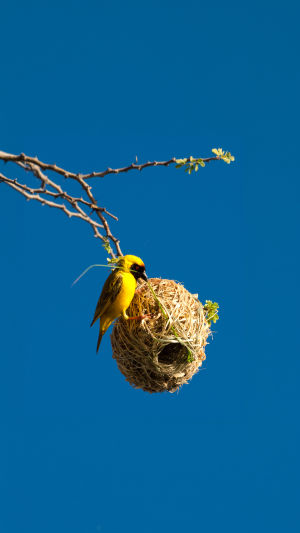
Welcome back, Friends! Have you ever spotted a tiny nest tucked into a tree branch or hidden beneath a roof ledge and suddenly felt protective?
A cluster of fragile hatchlings waiting with open beaks may seem peaceful, yet their world is filled with danger.
Snakes slip silently through branches, neighborhood cats patrol with astonishing patience, and larger birds sometimes raid nests for eggs or helpless chicks. Protecting baby birds is possible, but success depends on understanding how predators hunt and how to help without disturbing nature itself.
<h3>Learn What Threatens a Nest Before Taking Action</h3>
Not every nest faces the same level of risk. Before stepping in, it helps to understand what dangers are common in the area. Cats are among the most serious threats to young birds, especially in suburban spaces. Even a well-fed pet may still approach nests because chasing movement is a natural behavior rather than a sign of hunger.
A cat waiting beneath a shrub can make parent birds feel unsafe enough to reduce how often they return to bring food to chicks. Snakes pose a different challenge. Species that climb trees or walls often target eggs and hatchlings because nests offer an easy meal. They rely on scent, warmth, and concealed movement to approach unnoticed.
Nests built near low branches, sheds, dense vines, or stacked wood may be especially vulnerable. Other birds can become predators too. Crows, jays, magpies, ravens, and even some aggressive songbirds sometimes steal eggs or attack chicks. Larger birds often watch parent birds traveling back and forth with food, using those repeated movements to locate a nest.
To locate hidden nests. Observation matters. Watching quietly from a distance for several days can reveal whether predators frequently patrol the area without causing parent birds to avoid the nest because of human disturbance.
<h3>Keep Cats Away Without Disturbing the Birds</h3>
If cats are nearby, reducing access becomes one of the most practical forms of protection. The first strategy is simple: keep household cats indoors, especially during nesting season. Research from bird conservation groups consistently shows that outdoor domestic cats contribute to large numbers of bird nest disturbances each year, including risks to vulnerable chicks, even when owners assume their pets rarely chase wildlife.
For outdoor spaces, physical barriers can make nesting areas feel far less accessible to predators. Dense thorny shrubs beneath nesting trees may discourage stalking and climbing by cats or other curious animals. Smooth metal poles used to support nest boxes are often more difficult to grip than rough wooden posts, reducing the chance of unwanted access. Motion-activated sprinklers can also discourage wandering visitors without causing harm.
Avoid placing bird feeders directly beside an active nest. While feeders may attract parent birds searching for food, they can also increase movement nearby and unintentionally bring predators closer to the nesting site. Most importantly, never try to physically guard a nest by standing nearby for long periods. Human presence may unintentionally signal a nest location to observant predators.
<h3>Reduce Snake Access Through Habitat Management</h3>
Snakes are difficult to stop entirely, but careful habitat changes can lower the odds of nest raids. Look at the surroundings beneath nesting sites. Tall clutter, wood piles, stacked debris, dense ivy, and overgrown vegetation may create hidden travel routes. Clearing excessive cover around the base of a tree reduces sheltered movement.
If a nest box is being used, predator guards can help. Cone-shaped or cylindrical baffles attached below a nest box pole make climbing harder for snakes and mammals. Placement matters, however. Guards must be installed without touching the active nest or startling the birds.
Pruning direct branch pathways may also reduce access. For example, if a nest sits close to a roofline or hanging branch that acts like a bridge, trimming a nearby access point before nesting season can discourage climbing predators later. Still, caution is essential. Disturbing an occupied nest too closely may stress parent birds, and in many places, wild nests are legally protected from interference.
<h3>Understand Why Other Birds Attack Nests</h3>
Many people are surprised to learn that birds themselves can be predators. Crows and jays are highly intelligent and often watch parent birds closely. If robins or finches repeatedly fly to one location carrying insects, observant predators may investigate.
To reduce visibility, avoid excessive trimming around a nest during breeding season. Parents usually choose concealed locations for a reason. Removing leaves or branches for a better view may expose chicks to danger. Reflective ribbons or spinning deterrents sometimes discourage larger birds in gardens, but placement requires care.
Put them far enough away to avoid frightening the nesting parents themselves. Noise and frequent handling should also be avoided. Curious visitors checking a nest every few hours can accidentally create a predictable trail that predators notice.
<h3>Know When Helping Does More Harm Than Good</h3>
One of the biggest mistakes comes from good intentions. People often touch nests, move them, or try homemade coverings after spotting danger. In reality, many birds abandon nests after excessive disruption. A nest moved only a short distance may become impossible for parents to relocate. Avoid handling chicks unless they are clearly injured or abandoned.
Nestlings that appear alone for brief periods are often still being cared for, because parent birds may leave temporarily while searching for food. If a nest has fallen or a chick is injured, contacting a licensed wildlife rehabilitator is safer than improvising care.
Patience matters more than panic. Many nests survive despite occasional predator visits because attentive parent birds use alarm calls, distraction displays, and hidden positioning to protect their young.
Protecting baby birds does not mean controlling every danger in nature. It means lowering unnecessary risks while respecting the instincts birds already possess. Limit cat access – keep pets indoors during nesting season. Reduce snake-friendly hiding spots by clearing debris around nest trees. Preserve natural cover instead of trimming branches for a better view.
Resist the urge to interfere with healthy nests. Watch from a distance, learn the rhythms of parent birds, and trust their ability to protect their young. A little awareness from us can make a big difference for a vulnerable nest.


