

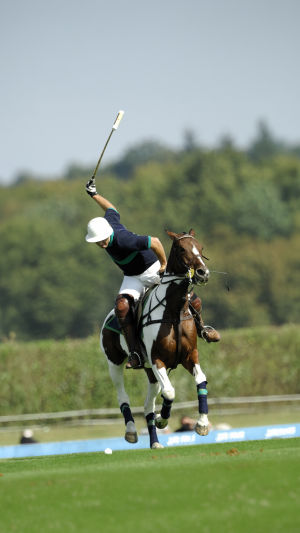
When we first look at polo, it feels fast, elegant, and full of movement. The sport combines coordination, timing, and teamwork between riders and their horses.
For Lykkers who are curious about how the game works, we are going to break it down in a simple and clear way so it is easy to follow.
<h3>The Field and Basic Setup</h3>
We start with the playing field. A standard polo field is very large, measuring around 274 meters in length and about 137 meters in width. Some matches may use a smaller half-field for practice or training sessions.
The ground is usually natural grass that is carefully maintained. This helps horses move smoothly and reduces impact during quick turns or sudden stops.
At each end of the field, there are goal areas. These are simple vertical posts placed far apart, forming a wide opening. The aim of the game is to send the ball through these posts.
<h3>Players, Horses, and Equipment</h3>
Each team has four riders on the field at the same time. Every rider has a trained horse that is familiar with fast direction changes and short bursts of speed.
The equipment is designed for safety and control. Riders wear helmets and protective gear for knees and elbows. They also use a long-handled mallet to guide and strike the ball.
The horses are fitted with special saddles and bridles that allow smooth communication between rider and animal. This connection is very important because movement happens quickly and often in tight spaces.
<h3>How the Match Begins</h3>
At the start of the game, both teams line up on opposite sides of the field. The ball is placed in the center area. Once the match begins, riders quickly move toward the ball.
There is no long delay or slow buildup. The action begins immediately, and control of the ball changes frequently in the opening moments.
<h3>Ball Control and Movement</h3>
When a rider reaches the ball, one hand holds the reins while the other uses the mallet. The goal is to guide the ball forward while maintaining balance on the horse.
Players can pass the ball to teammates or move it alone toward the goal area. However, opponents are always nearby, trying to take control. A key part of the game is positioning. Riders often adjust their path to block others or create space for a shot. Timing and awareness are essential here.
<h3>Game Flow and Structure</h3>
A full match is divided into several short sections, often four parts. Each section lasts about seven minutes, followed by a short break.
During breaks, teams adjust their approach and discuss movement patterns. The pace remains high throughout the entire match, with little time for rest during active play. If both teams have the same score at the end of regular play, extra time may be added to decide the result.
<h3>Scoring System and Decisions</h3>
Scoring is simple. When the ball passes between the goal posts, one point is added to the team’s score.
There are also specific situations where the referee may award a penalty opportunity. This can happen if a rule is broken or if an unsafe movement affects play.
In a penalty situation, one rider gets a clear chance to shoot toward the goal with fewer interruptions. This can change the balance of the match quickly.
<h3>Team Strategy and Coordination</h3>
Although individual skill matters, teamwork plays a major role. Each rider has a position and responsibility. Some focus on attacking, while others support defense or create passing opportunities.
Communication between riders is often subtle, using movement patterns rather than spoken instructions. The coordination between horse and rider also adds another layer of teamwork.
<h3>Closing Thoughts </h3>
Now that we have explored the structure of polo, we can see how it blends speed, control, and strategy into one continuous flow. It is not only about hitting a ball, but also about understanding space, timing, and cooperation.
For Lykkers who enjoy fast-moving sports or teamwork-based activities, polo offers a unique experience that feels both dynamic and engaging. Watching a match in real time can make the rules even clearer and bring the excitement to life.


