

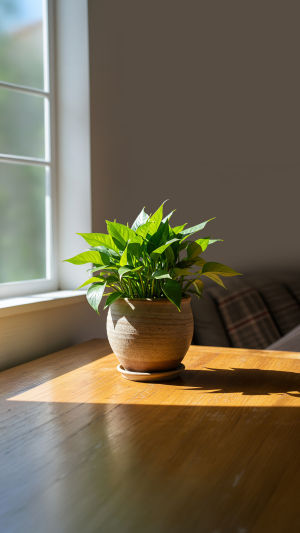
Houseplants bring beauty and life into our homes, but even a single hidden pest can quickly ruin a beloved collection. Understanding how to detect, prevent, and manage infestations early is essential for every plant lover.
The plant looked fine last week. Now the leaves have tiny yellow spots, there are fine threads between the stems, and something is clearly very wrong.
Houseplant pests have a way of arriving unannounced and establishing themselves faster than most people expect. The ones that cause the most damage are also the ones that are hardest to see.
<h3>Prevention Starts at the Point of Purchase</h3>
The majority of indoor plant pest problems are introduced by new plants brought into the home — either purchased from nurseries or received as gifts that already carry hidden infestations. Scale insects, mealybugs, and whiteflies are almost always introduced this way. Before any new plant joins the rest of your collection, quarantine it in a separate area of the house for at least three weeks. Inspect it carefully at the end of that period. If anything is present, you will have contained it before it spreads.
<h3>Fungus Gnats: Fix the Watering</h3>
Those small, dark flies hovering around the soil are fungus gnats. The adults are annoying but relatively harmless. It is the larvae in the soil that cause real damage by feeding on roots and decaying matter, weakening or killing young plants. Fungus gnats need consistently moist soil to thrive — they can't establish in dry conditions. The single most effective prevention is simply not overwatering. Letting the top inch of soil dry out between waterings removes their breeding environment entirely. For an active infestation, yellow sticky traps catch the flying adults, and a biological larvicide called Bacillus thuringiensis israelensis (sold as Gnatrol) treats the larvae in the soil without chemicals that harm the plant.
<h3>Spider Mites: Check for Webbing and Spots</h3>
Spider mites are nearly microscopic and prefer hot, dry conditions — which means plants sitting near heat vents or in low-humidity rooms are especially vulnerable. The first visible sign is usually fine webbing between leaves and stems, along with small yellow or pale spots scattered across the leaf surface where the mites have been feeding. A forceful rinse with water is the most immediate control — it dislodges the mites and destroys their webs. Insecticidal soap sprays applied to all surfaces, including the undersides of leaves, address more established infestations. Increasing humidity around affected plants discourages re-infestation since spider mites dislike moisture.
<h3>Mealybugs: Catch Them Early</h3>
Mealybugs are soft, white, cottony-looking insects that cluster at stem joints and where leaves meet stems. They produce a sticky substance called honeydew that can turn into sooty black mold if left untreated. Mealybugs are widely considered the most destructive common houseplant pest. Hand-picking works for small, isolated clusters. For broader infestations, insecticidal soap sprays are effective when applied thoroughly to all affected areas.
<h3>Scale Insects and Whiteflies</h3>
Scale insects look like small waxy bumps on stems and leaf undersides — easily mistaken for part of the plant until the surrounding leaves start yellowing and declining. They feed on sap slowly and steadily, and an established infestation is hard to reverse. Hand-picking works for accessible ones; horticultural oils smother both adults and eggs. Whiteflies flutter up in a cloud when you disturb the plant and are most easily caught with yellow sticky traps. Regular vacuuming of the plant using a small handheld device helps reduce numbers between treatments.
<h3>General Rules That Apply to All Pests</h3>
Stressed plants are more vulnerable than healthy ones. Maintaining proper light, appropriate watering, and good air circulation around plants makes them significantly more resistant to infestation in the first place. Inspecting plants weekly when watering takes almost no extra time and catches problems before they multiply out of control. Seriously infested plants that aren't responding to treatment are sometimes best removed entirely — a struggling infested plant left in place is a reliable source of pests for everything else around it.
Regular inspection, proper care, and swift action are your best defenses against houseplant pests. By staying vigilant, you can protect your plants and enjoy a thriving indoor garden free from infestations.


