

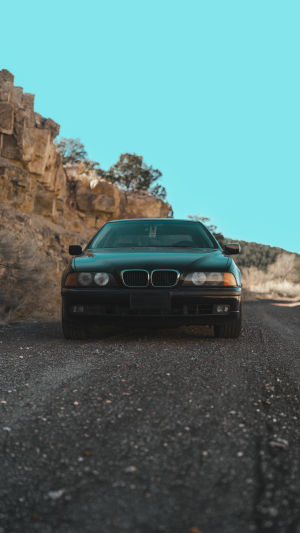
Classic car restoration in 2026 is more than a hobby—it’s a way to preserve history, design, and the thrill of driving.
As modern vehicles become increasingly digital and uniform, enthusiasts are returning to machines that offer character, mechanical simplicity, and an unmistakable presence on the road.
Certain vehicles stand out because they combine engineering excellence, style, and a rewarding hands-on experience.
<h3>1. Iconic Touring Vehicle</h3>
This vehicle embodies balanced proportions, flowing lines, and timeless elegance. Its long hood and smooth curves draw attention, while its interior offers comfort and engagement. Restoration focuses on bodywork, paint, and preserving interior materials, allowing the vehicle to shine while maintaining authenticity. Driving it decades later still feels engaging and connected.
<h3>2. Classic Two-Door Convertible</h3>
This lightweight two-door vehicle captures the essence of spirited driving. Simple mechanical systems, direct steering, and nimble handling create a raw, engaging experience that modern vehicles rarely replicate. Restoration emphasizes trim, upholstery, and mechanical components. The reward is a car that feels alive on every twist and turn of the road.
<h3>3. Low-Slung Sports Vehicle</h3>
A low-profile vehicle from the past offers precision and balance that continues to impress. Nimble handling and responsive controls provide feedback that modern cars often mask with electronics. Restoration focuses on authenticity: interior details, original finishes, and mechanical integrity ensure the car retains its original character.
<h3>4. Everyday Performance Machine</h3>
Celebrated for accessible sporty driving, this classic combines practicality with excitement. Its straightforward mechanical design makes restoration approachable, while bodywork and suspension care bring out the vehicle’s playful personality. Even after decades, it rewards drivers who value connection to the road and mechanical artistry.
<h3>5. Compact Classic</h3>
Small, lightweight, and full of character, this vehicle remains a joy to drive. Its nimble chassis, responsive handling, and low weight make it stand out on tight turns or city streets. Restoration involves careful attention to trim, structural integrity, and finishes, ensuring it retains the charm that made it memorable.
Restoring a classic vehicle in 2026 is about preserving the artistry and engineering philosophies that shaped automotive history. Each of these machines represents craftsmanship, identity, and a time when driving felt deeply mechanical and personal. Beyond nostalgia, they offer enthusiasts the chance to experience history in motion, turning every journey into a celebration of design and performance.


