

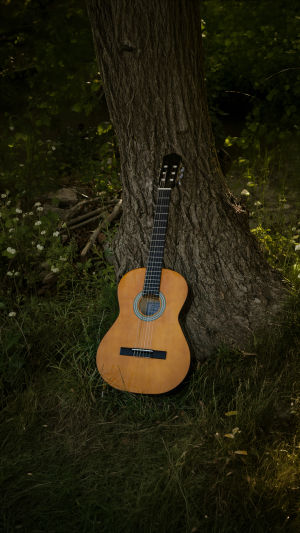
For many of us, a guitar is more than just an instrument. It becomes a long-term companion that grows alongside our musical journey.
Whether we practice every day or play only from time to time, one important question often comes up: how long can a guitar actually last?
The answer depends largely on the quality of the instrument, playing habits, and regular maintenance. With proper care, a guitar can remain in excellent condition for many years and continue producing beautiful sound throughout its life.
<h3>What Determines a Guitar’s Lifespan?</h3>
A guitar’s lifespan is not fixed. Several factors influence how long it stays playable and sounds good over time.
Different types of construction offer different levels of durability. Laminated guitars usually handle environmental changes well and can last around 5 to 10 years with proper care. Solid-top guitars often produce richer sound and can last more than 10 years when maintained carefully. Fully solid wood guitars may last 15 years or even longer if they are well protected and regularly maintained.
Playing frequency also affects wear and tear. Daily practice places more stress on the strings, frets, and neck, which may require adjustments over time. In contrast, occasional use usually results in slower overall wear.
The surrounding environment is another major factor. Excess humidity may cause the wood to swell, while overly dry conditions can lead to cracks. Dust, sweat, and temperature changes can also affect both appearance and performance over time.
<h3>Daily Care Habits That Help a Guitar Last Longer</h3>
Simple care routines can greatly extend the life of a guitar and help maintain sound quality.
<b>Maintain Proper Humidity</b>
Humidity control is one of the most important aspects of guitar care. A humidity range between 40% and 60% is generally considered safe for most guitars. In humid environments, dehumidifying packs can help reduce excess moisture. In dry climates, guitar humidifiers help prevent the wood from drying out and cracking.
<b>Clean the Fingerboard Regularly</b>
Dust and sweat naturally build up on the fingerboard over time, especially on darker wood surfaces. Wiping the instrument with a soft cloth after playing helps reduce buildup. A gentle fingerboard cleaner and a small amount of conditioning oil can also help maintain smoothness and protect the wood.
<b>Replace Strings on Time</b>
Old strings lose brightness, sound dull, and break more easily. For active players using metal strings, replacing them about once a month is common. Nylon strings are often replaced every two to three months. During string changes, balanced tension helps avoid unnecessary stress on the neck.
<b>Store the Guitar Properly</b>
Correct storage also helps protect the instrument. Keeping the guitar upright on a stand or wall hanger reduces unnecessary pressure on the neck. During transportation, a hard case provides stronger protection against accidental impact and temperature changes.
<b>Check for Small Problems Early</b>
Regular inspections help prevent larger issues from developing. Checking the neck alignment, bridge stability, fret condition, and string height once a month can help identify problems before costly repairs become necessary.
<h3>Extra Care During Travel and Seasonal Changes</h3>
Traveling with a guitar requires additional protection. Slightly loosening the strings during transport may reduce tension changes caused by movement and temperature shifts. Padding inside the case also helps absorb shocks during travel.
After arriving at a new location, it is helpful to let the guitar adjust to the room temperature before tuning it again. This reduces sudden stress on the wood and hardware.
Seasonal weather changes may also affect the instrument. Humidity fluctuations can slightly change neck curvature and string height. In some cases, small truss rod adjustments may be needed to restore comfortable playability.
<h3>Signs It May Be Time for a New Guitar</h3>
Even with excellent care, every guitar eventually reaches its limits.
Serious structural damage, such as deep cracks, loose bridge components, or severe neck problems, can become expensive to repair. In some situations, replacing the instrument may be more practical than continuing repairs.
As playing skills improve, musicians may also seek richer tone, longer sustain, or better overall performance. If the instrument begins to feel limiting despite adjustments and maintenance, upgrading to a higher-quality guitar can support further musical growth.
Frequent buzzing, tuning instability, or uneven string action may also indicate aging parts or long-term wear that repairs can no longer fully solve.
<h3>Final Thoughts</h3>
A guitar’s lifespan is closely connected to the way it is treated. With proper storage, regular cleaning, humidity control, and timely maintenance, a guitar can remain reliable and enjoyable for many years.
At the same time, it is important to recognize when an instrument no longer meets a player’s needs. Moving on to a new guitar is not simply about replacing an old object — it can also represent growth, improvement, and the beginning of a new musical chapter.
Lykkers, every guitar tells a story, and how long that story lasts is largely in our hands. With steady care and attention, your instrument can continue to inspire music for many years to come.


