

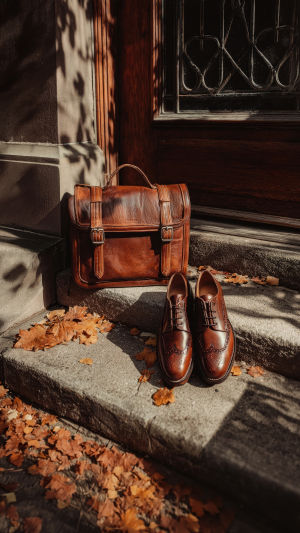
It seems like a minor thing. A bit of dust on the bag, wipe it off, done. But dust on leather is more than a cosmetic issue.
Dust particles are abrasive — over time, the micro-friction of them sitting and moving against the leather surface as the bag is handled starts to wear down the finish. On lighter or more delicate leather, this shows up earlier than expected.
The good news is that removing dust properly takes about two minutes and the right approach makes a real difference.
<h3>Using a Damp Microfiber Cloth for Safe Leather Dusting</h3>
The tool that matters most here is a slightly damp cloth — damp, not wet. The goal is for the cloth to be just moist enough to pick up and hold dust particles rather than simply pushing them around the surface. A dry cloth on its own tends to redistribute the dust more than it removes it. Microfiber works best because the fiber structure actually traps particles rather than dragging them. One pass across the surface, following the direction of the leather grain rather than going against it, is usually enough for a bag that's been stored or lightly used.
<h3>Getting Into the Tight Spots</h3>
The flat panels of a bag clean up easily. The harder spots are the seams, the base corners, the area around buckles and hardware, and anywhere the leather folds or creases — dust collects in all of these areas and the damp cloth alone can't reach into the grain effectively. This is where a soft-bristled brush earns its place.
A horsehair brush or any soft natural-bristle brush works well — the bristles get into the grain of the leather and physically lift the particles out rather than just moving them. Brush gently, in short strokes, working across the seams and into the corners. Hardware like clasps, zippers, and D-rings can be addressed with a soft-bristled toothbrush to clear debris from the crevices without scratching the metal.
<h3>When Dust Has Been Sitting Longer</h3>
If the bag hasn't been cleaned in a while and the dust has had time to settle deeper into the leather's pores, a damp cloth alone won't be enough. A pH-balanced leather cleaner — specifically formulated for leather, not a general surface cleaner — is what's needed at that point. Apply it in thin, even layers with a clean cloth, working across the surface gently. Once the cleaner has been applied, wipe off the residue with a damp cloth and let the bag air dry completely away from direct sunlight and heat. Resist using a hairdryer to speed things up — heat is one of the fastest ways to dry out and damage leather.
After drying, apply a light conditioner to restore any moisture the cleaning process pulled out of the surface. Prevention is simpler than correction: storing the bag in a breathable dust bag or cotton pillowcase when it's not in use keeps surface dust from accumulating in the first place. Never use plastic — leather needs to breathe, and sealing it in plastic creates a moisture trap that leads to bigger problems than dust.
Regular dusting is a simple but important step in leather care. With the right tools and gentle technique, you can prevent long-term surface damage and keep the leather looking clean and smooth. Consistent maintenance and proper storage help preserve both the appearance and durability of the bag over time.


