

Leave a fully charged phone in a cold car overnight and it'll often show a significantly reduced battery level in the morning.
Electric vehicle batteries work on the same basic chemistry, and cold temperatures affect them in a similar way.
That's the honest reality of driving an EV in winter. But it's also not the whole story — and it's definitely not a reason to avoid EVs in cold climates.
Industry research found that the average EV's driving range decreases by about 41 percent when the outside temperature drops to 20 degrees Fahrenheit, and the heating system is running. That's a real number worth understanding before winter arrives, not after.
<h3>Why Cold Weather Reduces Range</h3>
Two things happen simultaneously. First, cold temperatures slow the chemical reactions inside the lithium-ion battery, reducing how much power it can deliver. Second — and this is the bigger factor — keeping the cabin warm in an EV requires the battery to power an electric heater, which is energy-intensive. In a gas car, cabin heat is essentially free because it's redirected from the engine's waste heat. In an EV, it's not free at all.
Other winter factors add up: longer headlight use due to shorter days, defogging windows more frequently, and driving through snow and slush all increase energy demand.
<h3>Precondition While Plugged In</h3>
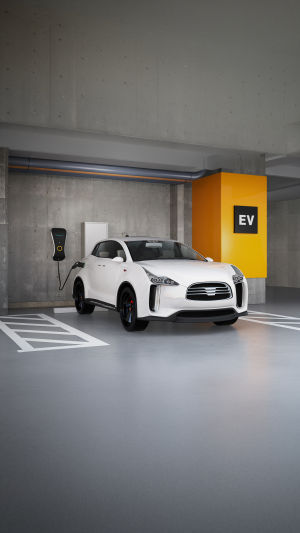
This is the most impactful thing you can do for winter range. Most EVs allow you to set a departure time so the car heats the cabin and battery before you leave — while it's still drawing power from the charger rather than the battery. You get into a warm car with a battery already at an efficient temperature, and you start the drive having used none of your stored range just to get comfortable. Set this up the night before or through the app.
<h3>Use Heated Seats Instead of Cabin Heat</h3>
Heated seats and a heated steering wheel use a fraction of the energy that a full cabin heater does — and they warm you up faster and more directly. Using these instead of or alongside a lower cabin temperature setting can meaningfully reduce energy consumption on cold days.
<h3>Keep the Battery Above 20%</h3>
EVs reserve a portion of their charge to maintain battery temperature in extreme cold. Exactly how much varies by model, but as a general rule, staying above 20 percent in winter is more important than in milder weather. Charging more frequently — even to 60 or 70 percent rather than waiting for 20 — reduces the stress on the battery in cold conditions.
<h3>EVs Handle Snow Better Than You'd Expect</h3>
One advantage of EVs in winter is handling. Because the battery pack sits in the floor, most EVs have a very low center of gravity and well-distributed weight. Many also have all-wheel drive systems with precise motor control on each wheel.
Many EVs have all-wheel drive systems with precise motor control on each wheel, and testing has shown they perform extremely well in snow. Winter tires help any vehicle in snow — this is about the tires, not the powertrain.
<h3>Plug In Overnight During Cold Snaps</h3>
When temperatures are forecast to drop sharply overnight, leaving the car plugged in is smart. A plugged-in EV can use grid power to maintain the battery at its ideal temperature, rather than draining stored charge to manage the cold. This protects both range and long-term battery health.
An EV in winter requires a little planning and almost no sacrifice. Set your departure time while plugged in. Let seat heaters do the work. Keep the battery away from empty. Plug in during cold nights. That's the entire playbook. The range loss number sounds alarming, but the fixes are straightforward. Drive confidently, trust the preconditioning feature, and enjoy the quiet, warm, sure-footed ride through whatever the season brings.


