

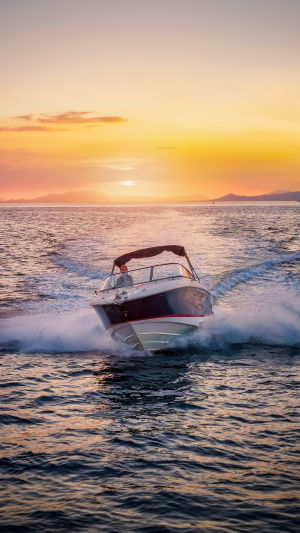
Hello Lykkers, when we begin learning speedboat handling, the first moment on the water sets the tone for everything that follows.
A controlled start helps us feel the movement of the vessel and stay in balance from the very beginning. We focus on gentle acceleration instead of sudden speed changes. By increasing power step by step, the boat rises smoothly on the water surface.
This gradual approach allows us to understand how the hull responds and helps maintain stability while moving forward. During this stage, we keep our posture steady and hands relaxed on the controls. Small, calm inputs are more effective than large adjustments, especially when the boat is just starting to gain momentum.
<h3>Turning with Stability and Flowing Motion</h3>
Turning is where coordination becomes essential. When we guide the boat into a curve, we combine steering with controlled speed to maintain balance throughout the motion.
We ease into the turn rather than making sharp movements. A slight reduction in speed before turning helps the boat stay stable. As we move through the curve, we maintain a smooth steering angle, allowing the vessel to glide naturally across the water.
Once the turn is completed, we gently return to a straight path. This smooth transition prevents sudden shifts and keeps the ride consistent and comfortable.
<h3>Controlled Slowing and Safe Stopping</h3>
Reducing speed is just as important as moving forward. When we slow down, we do it step by step instead of stopping abruptly. This helps maintain control and keeps the boat stable on the surface.
We begin easing off power early, especially when approaching docks or narrow passages. By doing this gradually, the boat responds in a predictable way, making it easier to manage direction and position.
As we come to a stop, we allow the movement to settle naturally. This calm approach reduces unnecessary motion and keeps everything under control.
<h3>Maintaining a Steady Direction While Moving</h3>
A stable direction helps create a smooth journey. We aim to avoid constant steering changes, as frequent adjustments can disturb balance and create uneven movement.
Instead, we choose a clear point ahead and guide the boat steadily toward it. If the water surface changes due to waves or wind, we respond with small corrections rather than large shifts.
This approach keeps the motion consistent and helps us build a better sense of control over longer distances.
<h3>Keeping Safe Space Around Other Vessels</h3>
Awareness of surroundings is a key part of responsible handling. We always keep enough space between our boat and others, giving everyone room to move safely.
When sharing the water, we observe patterns of movement early. If another vessel changes direction or speed, we adjust smoothly and in advance. This helps avoid close situations and supports a relaxed environment on the water.
Maintaining distance is not only about safety but also about creating a more comfortable and predictable experience for everyone involved.
<h3>Reading Water Conditions and Staying Alert</h3>
We constantly observe the environment around us. Water texture, visibility, and nearby movement all provide useful clues for adjusting our handling.
If the surface becomes uneven or conditions shift, we respond with calm adjustments in speed and direction. Instead of reacting suddenly, we make small changes that keep the boat stable.
We also rely on visual references ahead to maintain orientation. This helps us stay aware of direction even when conditions are less predictable.
<h3>Choosing Routes and Building Consistent Habits</h3>
Good route selection helps improve overall control. We prefer established waterways when available, especially in areas with more traffic or changing conditions. These paths support smoother movement and reduce unnecessary complexity.
Over time, we develop habits that support safer handling. Checking conditions before departure, planning direction early, and staying attentive throughout the journey all contribute to a better experience.
These habits become part of our natural routine, making each trip more comfortable and organized.
<h3>Bringing It All Together</h3>
Lykkers, speedboat handling is best learned step by step through calm practice and steady awareness. When we focus on smooth control, clear observation, and consistent adjustments, the experience on water becomes more enjoyable and balanced.
Every journey adds new understanding, and with time, we build confidence in different conditions. Let’s continue improving together and enjoy the open water with a steady and relaxed mindset.


