
Let’s take a closer look at how wingsuit movement works in a simple and easy-to-follow way.
Instead of heavy technical wording, we focus on how the body interacts with air and how motion is shaped step by step.
When broken down clearly, the whole idea becomes much more intuitive. Let’s begin this calm journey through sky movement and safe landing control.
<h3>How We Generate Lift in the Air</h3>
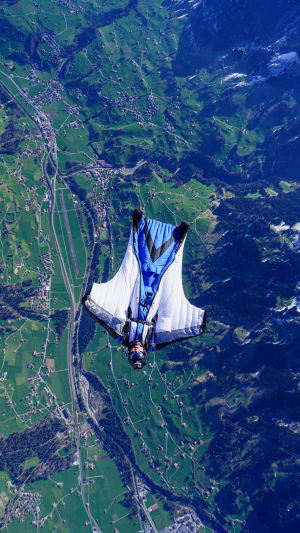
The core idea behind wingsuit glide is lift. When we spread our arms and legs, a fabric structure between them opens and catches airflow. As we move forward, air pushes under the surface and creates an upward force. This helps slow down the downward drop and turns it into smooth forward motion.
At the same time, gravity keeps pulling us downward. The balance between upward lift and downward pull decides how far and smoothly we move through the sky. If we adjust our body angle slightly, we can change how much lift we create. A flatter position increases support from air, while a steeper angle increases speed.
<h3>Structure That Supports Smooth Movement</h3>
The suit is designed with lightweight but strong material. It connects the arms, torso, and legs with flexible panels. These panels form air pockets when we move forward. Once filled, they behave like guiding surfaces that help shape airflow.
We can think of it as a controlled fabric wing system rather than a rigid object. The design allows natural movement while still giving enough stability to guide direction. This balance between flexibility and structure is what makes controlled glide possible.
<h3>How Body Position Controls Direction</h3>
We can guide movement in the air using small body adjustments. Leaning slightly forward increases forward speed. Moving slightly backward reduces descent speed. Spreading the arms wider increases surface area, which helps stability.
Leg position also matters. When legs are closer together, resistance becomes lower. When slightly spread, stability increases. These small changes combine to help us steer left, right, up, or down in a controlled way.
Wind direction also plays a role. By observing airflow, we can make smoother corrections and maintain a stable path.
<h3>Types of Glide Approaches</h3>
There are generally two approaches: assisted glide and natural glide.
- In assisted glide, additional equipment may be used to extend time in the air or adjust altitude range. This method is usually more structured and used in specific practice environments.
- In natural glide, movement relies fully on body control and airflow interaction. The focus is on positioning, timing, and smooth adjustments. This form is more common and emphasizes skill in reading air conditions and responding with precision.
<h3>How We Approach Safe Landing</h3>
Landing is one of the most important stages. We begin by choosing a wide and open area without obstacles. Flat ground such as grass fields or open sandy spaces is preferred because it allows better control during final descent.
At a certain height, a separate descent support system, such as a parachute, is activated to slow down movement. This system helps reduce speed gradually, making contact with the ground smoother.
As we approach the ground, we keep our body steady and upright. Knees can be slightly bent to absorb impact. This small adjustment helps reduce pressure when touching down.
<h3>Handling Unexpected Situations</h3>
Sometimes conditions change quickly. If airflow shifts or stability decreases, quick adjustments are needed. In case the main support system does not respond as expected, a backup system is used to regain control.
This is why preparation and repeated practice matter so much. The more familiar we are with reactions, the easier it becomes to respond calmly when something unexpected happens.
<h3>Training, Awareness, and Mental Focus</h3>
This activity requires structured training. We learn step by step under guidance, starting from basic movement control and gradually building coordination skills. Practice helps improve reaction speed and body awareness.
Mental focus is just as important as physical control. Staying calm helps us make better decisions in changing conditions. Awareness of surroundings, airflow, and timing all work together to support safe movement.
We also build a habit of checking conditions carefully before each session. This includes observing wind patterns and selecting suitable environments for practice.
<h3>Challenges We Should Understand</h3>
This type of air movement involves high sensitivity to conditions. Small changes in body angle or wind can influence direction. That is why continuous learning is needed.
Another challenge is timing. Every phase, from launch to landing, requires coordination. Even small delays in response can affect stability. With practice, however, control becomes more natural.
Environmental awareness also plays a major role. Open space, weather stability, and visibility all contribute to smoother experiences.
<h3>Let’s Keep Learning Together</h3>
We’ve explored how controlled glide works through body movement, airflow interaction, and structured landing steps. From lift generation to final contact with the ground, each stage connects through balance and awareness.
Lykkers, what part do you find most interesting—body control in the air or the landing process? Share your thoughts and let’s keep learning together in a simple and curious way.


