

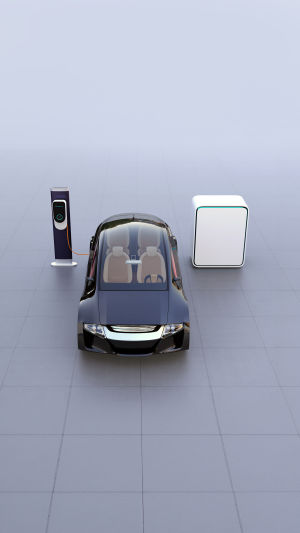
You're ready to make the switch to a more sustainable car, but you're torn between two options: a fully electric vehicle (EV) or a plug-in hybrid electric vehicle (PHEV).
Both promise to reduce your carbon footprint, save you money on fuel, and help you drive cleaner. But what's the real difference between the two, and which one is right for you? Let's break it down and find out.
<h3>What Is a Fully Electric Vehicle (EV)?</h3>
A fully electric vehicle (EV) is powered solely by electricity. There is no gasoline engine involved—just an electric motor and a battery that needs to be charged. EVs are the epitome of zero-emission driving, as they don't rely on fossil fuels for power.
<b>Powertrain: </b> The powertrain of an EV is simple but efficient. It consists of an electric motor, a high-capacity battery, and a controller that manages the energy flow. The motor uses electricity stored in the battery to turn the wheels, providing smooth and quiet acceleration.
<b>Charging: </b> You charge an EV by plugging it into an electric outlet at home or using a public charging station. Charging times can vary, but many modern EVs can charge to 80% in under an hour using fast chargers.
<b>Driving Range:</b> On average, EVs offer a driving range of 150–370 miles on a full charge, depending on the model. For instance, a Tesla Model 3 can go up to 358 miles, making it ideal for daily commuting and long trips with adequate planning.
<b>Example:</b> If you're mostly driving short distances in urban settings, an EV could be an excellent fit for you. It's quiet, low-maintenance, and emits no tailpipe pollution—perfect for those who want to make a green impact.
<h3>What Is a Plug-In Hybrid Electric Vehicle (PHEV)?</h3>
A plug-in hybrid electric vehicle (PHEV) combines an internal combustion engine (ICE) with an electric motor and a battery. Unlike an EV, a PHEV can run on either electricity or gasoline. The battery can be charged by plugging it into an outlet, but it also has a gasoline engine to extend the range.
<b>Powertrain:</b> PHEVs operate with a combination of two power sources—the electric motor and the gasoline engine. The electric motor is used for short trips, while the gasoline engine kicks in when the battery runs low or when more power is needed for longer drives.
<b>Charging:</b> PHEVs can be plugged in to charge their batteries, just like EVs. However, if you run out of battery and can't find a charging station, the gasoline engine will seamlessly take over, so you're never stranded.
<b>Driving Range:</b> PHEVs typically offer a combined driving range of 300–500 miles, with around 20–50 miles of electric-only range. For instance, the Toyota Prius Prime offers 25 miles of electric driving, and once the battery is depleted, the gasoline engine takes over.
<b>Example:</b> A PHEV is perfect for someone who wants the benefits of electric driving for short trips but also needs the flexibility of a gasoline engine for longer journeys or when charging stations are sparse.
<h3>Key Differences Between EVs and PHEVs</h3>
Now that we've covered the basics, let's look at some key differences to help you decide which type of vehicle fits your needs.
<b>Driving Range: </b> EVs typically offer a higher electric-only driving range, with some models reaching over 300 miles on a full charge. PHEVs, on the other hand, have a much shorter electric-only range, usually between 20 to 50 miles, but they can continue driving as long as they have gasoline in the tank.
<b>Charging Convenience:</b> Charging a PHEV is similar to charging an EV, but PHEVs offer the added benefit of being able to use gasoline when the battery runs out. This makes them a great option for people who need flexibility and don't always have access to a charging station. EVs require more planning, especially for long trips, as you'll need to ensure access to fast chargers along the way.
<b>Environmental Impact:</b> EVs have a clear edge in terms of sustainability. They produce zero tailpipe emissions, making them ideal for reducing your carbon footprint. While PHEVs are also more efficient than traditional gasoline cars, they still produce emissions when running on gasoline.
<b>Cost and Incentives:</b> EVs tend to have higher upfront costs due to the expensive battery technology, but they come with tax incentives and the long-term savings of avoiding gas stations. PHEVs are typically cheaper to purchase than full EVs, but they might not offer as much in government incentives and could cost more to fuel over time because of the gasoline engine.
<h3>Which One Should You Choose?</h3>
Choosing between a fully electric vehicle (EV) and a plug-in hybrid electric vehicle (PHEV) comes down to your driving habits, convenience, and environmental goals. Here's a simple guide:
<b>Choose an EV if: </b>
You have a short to medium daily commute (less than 100 miles a day).
You have easy access to charging stations at home and/or work.
You're committed to reducing your carbon footprint and prefer a zero-emission vehicle.
You enjoy the simplicity and quiet performance of electric driving.
<b>Choose a PHEV if: </b>
You need the flexibility of longer trips without worrying about finding a charging station.
You don't have easy access to home charging or frequently drive long distances.
You want a green option for shorter trips but are not ready to fully commit to electric driving.
You're looking for a balance between electric and gasoline driving for peace of mind.
<h3>Making the Right Choice for You</h3>
The decision between an EV and a PHEV ultimately comes down to how much you value zero-emission driving versus the convenience of a hybrid powertrain. While EVs are the future of sustainable driving, PHEVs offer the best of both worlds—electric driving for short trips and gasoline backup for longer journeys.
Before you decide, consider your driving patterns and charging access. If you're ready to go all-in on electric, an EV will likely offer the best experience. But if you need a more flexible solution, a PHEV could be the perfect middle ground. Either way, both options represent a step toward a greener future for all of us.


