

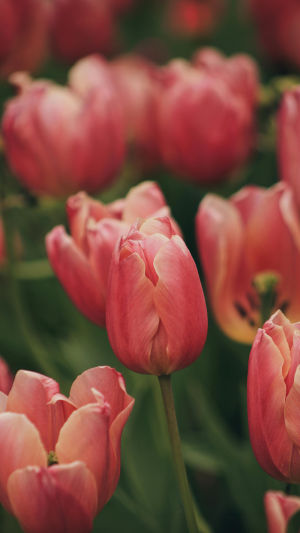
When we look at spring flowers, we often admire their beauty first. But behind each bloom, there is a quiet language waiting to be understood. One of the most expressive flowers in spring gardens is the tulip.
Its simple shape hides a rich world of feelings and messages. Today, we explore how different colors carry different meanings, so we can better understand what these blooms are trying to express in our daily lives.
<h3>Red Shades: Deep Emotions and Honest Expression</h3>
Red blooms are often linked with strong emotions. When we see a red tulip, it usually represents passionate affection and sincere admiration. The color feels bold and lively, almost like a warm spark in spring air.
<h3>White Shades: Purity, Clarity, and Long-Lasting Bonds</h3>
White flowers bring a sense of calm and simplicity. A white tulip is often seen as a symbol of purity and lasting connection. Its soft tone gives a peaceful impression, making it suitable for expressing trust and respect.
We often see this color in meaningful events where sincerity matters most. It can represent a bond that is clean and honest, whether between close friends or people sharing an important life moment. The quiet beauty of white makes it suitable for expressing emotions that do not fade easily over time.
<h3>Pink Shades: Gentle Feelings and Warm Appreciation</h3>
Pink tones feel soft and welcoming. A pink tulip usually represents gentle affection and warm appreciation. It carries a friendly and caring message, making it suitable for expressing kindness in everyday life.
Light pink tones often reflect sweet admiration and subtle interest, while deeper pink shades can show gratitude. We may choose this color when we want to thank someone or share a thoughtful feeling in a calm and respectful way. It is a color that speaks softly but leaves a lasting impression.
<h3>Purple Shades: Elegance, Respect, and Meaningful Wishes</h3>
Purple tones naturally feel graceful and refined. A purple tulip often represents elegance and sincere wishes for well-being. This color has long been associated with dignity and thoughtful expression.
We may see this shade used in more formal or respectful settings, where people want to express good intentions with a touch of sophistication. Some lighter purple variations also suggest deep emotional connection, reflecting feelings that are steady and thoughtful rather than sudden or temporary.
<h3>Yellow Shades: Joy, Friendship, and Bright Energy</h3>
Yellow brings brightness and warmth. A yellow tulip is often connected with happiness and friendly connections. Its color feels like sunlight, creating an uplifting and cheerful impression.
This shade is commonly chosen to express encouragement and positive wishes. It fits well in moments where we want to share joy or celebrate everyday happiness with others. The message is simple: stay positive and enjoy the present moment.
<h3>Unique Variations: Dark Tones and Mixed Colors</h3>
Beyond the common shades, there are also darker and mixed-color variations. Deep-toned flowers often carry a sense of mystery and individuality. They can represent a unique personality or a thoughtful emotional depth.
Mixed colors, on the other hand, often suggest pleasant encounters and meaningful connections. They feel playful and surprising, as if celebrating unexpected moments in life. These variations remind us that expression is not limited to a single meaning but can be rich and layered.
<h3>Let’s Read the Language of Flowers Together</h3>
When we understand these color meanings, we start to see spring blooms in a new light. A simple flower becomes a message, and a color becomes a feeling. Appreciation, joy, and respect can all be gently shared through these soft shades.
Lykkers, next time we come across these seasonal blooms, let’s slow down for a moment and notice the colors more carefully. Each shade carries its own quiet message, offering a small reminder of how feelings can be expressed in simple, natural ways.
TULIP FLOWERS: Symbolism and Meaning of their Different Colours
Video by De Ganz Tv


