

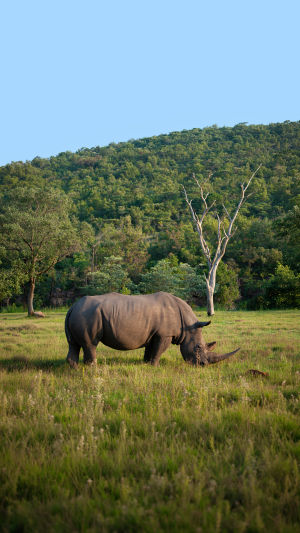
Picture walking through a lush forest and spotting a rare animal thriving where once it was almost gone. That success is often the result of carefully designed wildlife protection programs.
While many efforts aim to help animals, only a few combine science, community engagement, and sustainable practices effectively. Understanding what makes these programs succeed can inspire better protection strategies worldwide.
<h3>Protected Areas and Sanctuaries</h3>
Establishing dedicated spaces where wildlife can live safely is one of the most effective methods. Protected areas reduce human disturbance and preserve habitats, and provide a secure environment for species to reproduce.
<b>National Parks:</b>
Animals like elephants, lions, and bears thrive in parks where hunting and habitat destruction are prohibited. These areas often provide natural migration routes and seasonal food availability.
<b>Wildlife Sanctuaries:</b>
Sanctuaries focus on more vulnerable species, offering medical care, safe breeding zones, and rehabilitation for injured or orphaned animals. For instance, cheetah sanctuaries monitor population health while preparing individuals for reintroduction into the wild.
<b>Community Reserves:</b>
These involve local communities in protection efforts. By giving residents a stake in wildlife preservation, poaching decreases and human-wildlife conflicts are reduced.
Actionable example: Support local protected areas through volunteering, donations, or spreading awareness, helping maintain secure habitats for endangered species.
<h3>Anti-Poaching and Law Enforcement Programs</h3>
Poaching remains one of the biggest threats to wildlife. Programs that combine monitoring, legal enforcement, and community involvement are particularly effective.
<b>Ranger Patrols:</b>
Regular patrols in vulnerable areas deter illegal hunting. For example, in African savannas, ranger teams equipped with GPS tracking and drones monitor rhino populations to prevent poaching.
<b>Technology Integration:</b>
Motion sensors, camera traps, and satellite imagery help track animals and detect intruders, enabling faster response to threats.
<b>Community Reporting:</b>
Encouraging locals to report suspicious activity strengthens enforcement and creates shared responsibility for wildlife protection.
Actionable example: Join or support organizations that fund anti-poaching technology or community watch programs to directly reduce threats to endangered species.
<h3>Breeding and Reintroduction Programs</h3>
When populations decline too low, breeding programs can boost numbers and restore species to their natural habitats.
<b>Captive Breeding:</b>
Zoos, sanctuaries, and research centers carefully manage breeding pairs to maintain genetic diversity. Examples include programs for tigers, pandas, and rare bird species.
<b>Pre-Release Conditioning:</b>
Before release, animals are trained to hunt, forage, and avoid predators, increasing survival rates once back in the wild.
<b>Long-Term Monitoring:</b>
Tracking released individuals ensures populations are establishing themselves successfully and helps adjust future program strategies.
Actionable example: Support or volunteer for breeding and reintroduction programs, such as tagging released animals or assisting with habitat preparation.
<h3>Community Education and Engagement</h3>
Programs that educate and involve people are surprisingly effective because conservation ultimately depends on human behavior.
<b>School Programs:</b>
Children learn about local species, threats, and conservation strategies, shaping a future generation that values wildlife.
<b>Local Workshops:</b>
Communities are trained in sustainable agriculture, responsible tourism, or wildlife-friendly land use, reducing conflicts and habitat destruction.
<b>Citizen Science:</b>
Volunteers collect data on sightings, migration patterns, or habitat conditions, contributing valuable information to conservation research.
Actionable example: Participate in educational workshops or citizen science projects in your area to help collect real-time wildlife data and promote awareness.
<h3>Research-Driven Conservation</h3>
Effective programs rely on science to guide decisions, ensuring resources are used wisely and strategies have measurable outcomes.
<b>Behavioral Studies:</b>
Understanding feeding, mating, and migration helps design protection strategies that align with natural behaviors.
<b>Habitat Analysis:</b>
Identifying critical feeding grounds or breeding areas informs land management and development restrictions.
<b>Impact Assessment:</b>
Monitoring programs track population trends and evaluate interventions, allowing adjustments for maximum effectiveness.
Actionable example: Support research-focused wildlife organizations, or follow their publications to stay informed and help advocate for evidence-based policies.
The most effective wildlife protection programs share a common thread: they combine secure habitats, active protection, scientific guidance, and community involvement. Each element reinforces the others, creating a network of support that helps species survive and thrive. By learning from these programs and contributing where possible, we can ensure that endangered animals have a real chance at a future in the wild.
Wildlife protection programs are most effective when they combine safe habitats, strong law enforcement, scientific research, and community involvement. Each part supports the others and helps create lasting protection for animals. When people support these efforts—through awareness, volunteering, or funding—they help ensure that wildlife can survive and thrive for future generations.


