

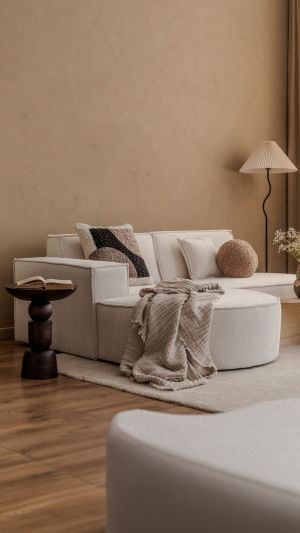
A sofa is not just another piece of furniture—it is often the centerpiece of a living space and a defining element of how a home feels and functions. Unlike smaller décor items that can be swapped out easily, a sofa represents a long-term commitment. It requires thoughtful consideration because it affects both the visual harmony of a room and the everyday comfort of those who use it.
With costs often running high and replacement cycles spanning years, selecting the right sofa involves more than simply picking something that looks appealing in a showroom. Below are key considerations that go beyond surface-level choices, helping you make a decision that is both practical and aesthetically enduring.
<h3>1. Color: Balancing Expression and Longevity</h3>
Color is one of the first aspects people notice, yet it is often approached cautiously. Neutral shades like beige, gray, or taupe are popular because they adapt easily to changing décor styles. They provide flexibility if you plan to update wall colors, rugs, or accessories over time.
However, choosing a bold color can transform a sofa into a focal point rather than a background element. Deep blues, forest greens, or even warm terracotta tones can add personality and depth to a room. The key is to evaluate your lifestyle and environment. Homes with children or pets may benefit from darker or patterned fabrics that disguise wear and stains more effectively.
It is also worth considering how natural and artificial lighting will affect the appearance of the fabric throughout the day. A color that feels vibrant in a showroom might appear muted or overly intense in your home. Testing fabric swatches in your actual space is a practical step that many overlook.
<h3>2. Size: Proportion Is Everything</h3>
A sofa must fit not only physically within a room but also proportionally within the overall layout. Oversized sofas can dominate a space, making movement awkward and visually cluttered. Conversely, a sofa that is too small may feel insignificant and fail to provide adequate seating.
Standard sofas typically range between 200–215 cm in width, while loveseats are more compact, usually under 200 cm. Sectional sofas, although versatile, require careful planning due to their larger footprint and fixed configurations. Before making a purchase, measure your room carefully, including doorways, staircases, and hallways to ensure smooth delivery.
<h3>3. Shape: Defining the Room’s Character</h3>
The silhouette of a sofa plays a significant role in establishing the style of a room. Sofas with curved arms, tufted backs, and ornate details tend to evoke a traditional or classic aesthetic. In contrast, clean lines, low profiles, and minimal ornamentation align with modern or contemporary interiors.
Beyond style, shape also influences functionality. For example, a sofa with a high back provides better support for extended sitting, while a low-back design may look sleek but offer less ergonomic comfort. Armrest height and depth can also affect how you use the sofa—whether for lounging, reading, or entertaining guests.
Sectional sofas introduce another layer of complexity, as their configuration can define zones within an open-plan space. Choosing between an L-shape or U-shape should depend on how you intend to use the area and how many people you need to accommodate regularly.
<h3>4. Comfort: The Non-Negotiable Factor</h3>
While aesthetics often drive initial attraction, comfort determines long-term satisfaction. A visually stunning sofa quickly loses its appeal if it fails to provide proper support.
Comfort depends on several factors, including seat depth, cushion firmness, and back support. Deeper seats are ideal for lounging, while shallower seats may be more suitable for formal settings where upright posture is preferred. Cushion filling also matters—foam offers structure and durability, while feather or down fillings provide a softer, more relaxed feel but may require regular maintenance to retain their shape.
Testing a sofa in person is crucial. Sit on it for several minutes, change positions, and assess how it supports your body. If possible, simulate how you would typically use it at home rather than making a quick judgment.
<h3>5. Cushion Design: Style Meets Maintenance</h3>
Cushion construction influences both the appearance and upkeep of a sofa. Loose, overstuffed cushions create a casual and inviting look, often associated with comfort and informality. They are ideal for relaxed living spaces but may require frequent fluffing to maintain their shape. On the other hand, tightly tailored cushions offer a more refined and structured appearance. They are easier to maintain visually but may feel firmer and less forgiving over extended use.
A hybrid approach—structured seat cushions paired with softer back cushions—can provide a balanced combination of support and comfort. Additionally, removable covers can be a practical feature, especially in households where spills and wear are more likely.
Choosing a sofa is not merely about filling space—it is about shaping how a room is experienced daily. Rather than rushing into a purchase based on trends or immediate impressions, approach the process with careful evaluation and a clear understanding of your lifestyle. A well-chosen sofa does more than provide seating; it becomes a place for conversation, relaxation, and memory-making.


