

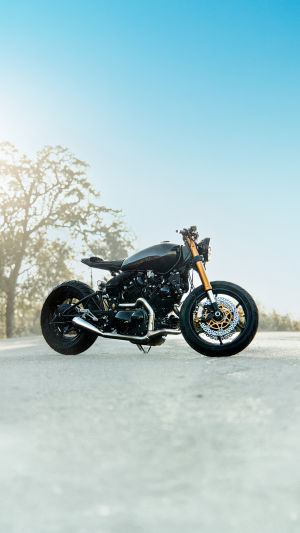
Hello Lykkers! If we are starting motorcycle riding for the first time, it is normal to feel both excitement and a little nervousness.
Riding is not only about moving forward, but also about understanding control, awareness, and smooth coordination with the road. In this guide, we will go step by step so we can build confidence and enjoy every ride in a safe and relaxed way.
<h3>Understanding the Machine We Use</h3>
Before we begin riding, it helps to understand how the machine works.
The frame supports the whole structure and keeps everything stable. The engine provides the driving power, and different engine sizes influence how strong the movement feels. The braking system helps us slow down or stop safely, usually controlled by both front and rear systems working together.
Tires are also very important because they affect grip and stability on different road surfaces. The throttle controls speed, while the clutch helps us shift gears smoothly. When we understand these basic parts, we feel more in control and less stressed during riding.
<h3>Getting Ready Before Starting</h3>
Preparation is one of the most important habits we can build.
We should always wear proper protective gear, including a well-fitted helmet, riding jacket, gloves, and long pants. These help reduce the risk of injury and improve comfort during movement.
Before starting, it is also helpful to check the machine carefully. We can look at brake response, tire pressure, fuel level, and lighting. These simple checks help prevent unexpected problems later.
We should also take a moment to understand all controls clearly. Knowing where everything is allows us to react faster and more smoothly when needed.
<h3>Learning the Basic Start Process</h3>
Starting a ride becomes easier when we follow simple steps.
We begin by sitting comfortably and placing both feet firmly on the ground. After inserting the key and starting the engine, we allow the system to stabilize.
Next, we hold the clutch and gently apply throttle control. Shifting into the first gear helps the machine move forward slowly. By gradually releasing the clutch while adding light acceleration, we can start moving in a smooth and controlled way.
At this stage, balance and calm movement are more important than speed or distance.
<h3>Building Balance and Road Awareness</h3>
Once we are moving, maintaining balance becomes the main focus.
We should keep our hands steady on the handle and sit in a natural upright position. The legs help stabilize the body by staying close to the frame.
It is important to keep looking ahead and observing the road conditions. This helps us notice changes early and respond calmly.
Speed control should always match the situation. Smooth acceleration and gentle slowing down help keep the ride stable and comfortable.
<h3>Turning and Corner Control</h3>
Turning is a skill that improves with practice.
Before entering a curve, we should reduce speed early to stay stable. When turning, we gently lean the body in the direction of movement while maintaining control of the handle. This helps us stay balanced and move smoothly through the curve.
After completing the turn, we can gradually increase speed again. This step-by-step approach makes the movement more natural and controlled.
<h3>Braking and Traffic Awareness</h3>
Braking should always be smooth and controlled.
We use both front and rear brakes together for better stability, applying pressure evenly. This helps avoid sudden movement and keeps balance steady.
We should always observe traffic conditions ahead. Things like signals, pedestrians, or obstacles should be noticed early so we have enough time to react safely.
Keeping a safe distance from other vehicles is also important. It gives us more space and time to respond calmly if anything changes.
We should also be careful when changing direction and always check mirrors to avoid blind spots.
<h3>Keeping the Machine in Good Condition</h3>
Regular care helps maintain smooth performance.
We should check key parts such as brakes, tires, lighting, and fluid levels regularly. These checks help ensure everything is working properly.
Cleaning the surface helps prevent dust buildup and keeps the machine in better condition. Replacing worn parts like filters and ignition components at the right time helps maintain consistent performance.
Good maintenance habits make riding safer and more enjoyable over time.
<h3>Final Thoughts for Every Rider</h3>
Motorcycle riding is a skill that grows with practice and patience. Each ride helps us understand balance, timing, and awareness more clearly.
Lykkers, when we stay calm, pay attention to surroundings, and build steady habits, riding becomes smoother and more enjoyable.
Whether we are moving through city streets or exploring open roads, every journey brings a sense of freedom and learning. With time, we can feel more confident and comfortable, enjoying every moment safely and fully.
Learning to ride on a Yamaha R7! | Learn to Ride a MOTORCYCLE Series - Ep 01
Video by Chaseontwowheels


