

Lighting is often treated as an afterthought in home design, yet it has the power to shape how a space feels, functions, and even how we behave within it.
A well-lit home doesn’t rely on a single overhead bulb—it uses layers, tones, and placement to create purpose and personality.
Each room has distinct demands, and understanding those differences allows you to design lighting that is both practical and atmospheric. Beyond aesthetics, lighting also influences mood, productivity, and even sleep quality.
<h3>1. Living Room: Flexible Lighting for Changing Moods</h3>
The living room serves multiple roles—entertainment hub, relaxation zone, and sometimes even a workspace. Because of this versatility, a single light source won’t suffice. Begin with a central ceiling fixture to establish overall brightness, but avoid overly harsh illumination. Instead, build layers.
Floor lamps positioned near seating areas can subtly define zones within the room while also highlighting textures such as fabric or wood finishes. Table lamps with warm bulbs introduce a softer ambiance, ideal for evenings. If you enjoy watching television, choose lighting that minimizes glare—indirect lighting or shaded fixtures work best to prevent reflections on screens.
Wall-mounted lights can also act as visual anchors, drawing attention to artwork or architectural features. The key is adaptability: dimmable options allow you to transition seamlessly from bright social settings to a more intimate atmosphere.
<h3>2. Kitchen: Precision Lighting for Function and Safety</h3>
In the kitchen, clarity is non-negotiable. Poor lighting can lead to mistakes or even accidents, especially when working with sharp tools. A combination of cool-toned overhead lighting and targeted task lighting ensures visibility across all work surfaces. Under-cabinet lights are particularly effective, as they eliminate shadows cast by upper cabinets onto countertops.
This makes food preparation more precise and comfortable. Pendant lights above islands or breakfast bars can add both style and functionality, but they should be positioned carefully to avoid obstructing sightlines. Ventilation also plays a role in lighting choices. In kitchens prone to steam or heat buildup, fixtures that incorporate air circulation—such as fan-integrated lights—can improve comfort while maintaining brightness.
<h3>3. Dining Room: Creating Atmosphere Through Warmth</h3>
Dining spaces benefit from lighting that enhances mood rather than purely serving function. A central fixture—such as a pendant or chandelier—should be positioned directly above the table to anchor the room visually. The height of this fixture matters; too high and it loses impact, too low and it becomes intrusive.
Warm-toned bulbs are essential here. They produce a golden hue that enhances the appearance of food and creates a welcoming environment. Supplementary wall lighting can soften the edges of the room, preventing harsh contrasts and adding depth.
Layering remains important, but subtlety is key. The goal is to create a sense of intimacy that encourages conversation and comfort during meals.
<h3>4. Bedroom: Prioritizing Comfort and Calm</h3>
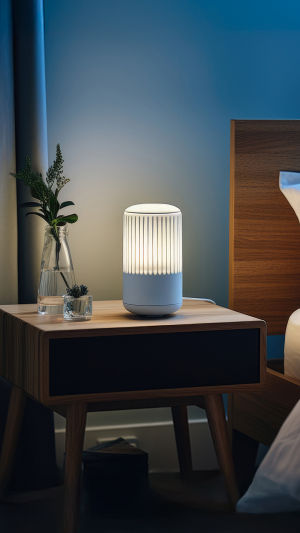
Bedrooms require a completely different approach—one centered on relaxation. Bright, cool lighting can feel intrusive in a space meant for rest, so softer, warmer tones should dominate. Start with a gentle overhead light for general illumination, but rely more heavily on secondary sources. Bedside lamps or wall-mounted fixtures provide localized light for reading or winding down. Shades and diffusers help soften brightness, preventing harsh glare.
<h3>5. Bathroom: Balancing Clarity and Relaxation</h3>
Bathrooms demand a careful balance between functionality and comfort. Tasks like shaving or applying makeup require clear, shadow-free lighting, particularly around mirrors. This is best achieved by combining overhead lighting with vertical fixtures placed at eye level.
However, the space shouldn’t feel clinical. Softer ambient lighting can transform the bathroom into a more relaxing environment, especially for evening routines. Safety is equally critical—fixtures must be rated for moisture resistance to handle humidity and splashes effectively.
Thoughtful lighting is more than illumination—it’s a design language that communicates how a space should feel and function. By tailoring your approach to each room, you create a home that adapts to your lifestyle rather than forcing you to adapt to it.
When done right, lighting doesn’t just brighten a room—it transforms it, subtly shaping every moment spent within it—turning ordinary spaces into experiences that feel intentional, comfortable, and uniquely yours.


