

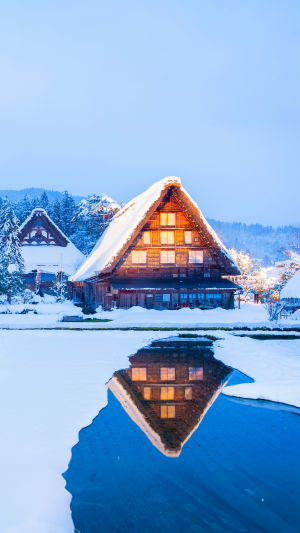
If you've ever dreamed of stepping into a storybook village, Shirakawago is the place that makes that dream come true.
Nestled in the heart of Japan's Gifu Prefecture, this charming village is known for its iconic gassho-zukuri farmhouses, which look as though they've been frozen in time.
Listed as a UNESCO World Heritage site, Shirakawago offers an unforgettable glimpse into traditional Japanese rural life. Whether you're a history lover, a nature enthusiast, or simply someone looking for a peaceful getaway, this village has something to captivate you.
<h3>How to Get to Shirakawago</h3>
Shirakawago isn't exactly near a major city, which makes getting there part of the adventure. But don't let that deter you—getting to this quaint village is easier than you might think.
• By bus: From Takayama or Kanazawa, you can take a highway bus to Shirakawago. The journey from Takayama takes about 50 minutes, and from Kanazawa, it's around 1.5 hours. Bus tickets typically cost $10–20 USD, depending on your starting point.
• By train: The nearest train station to Shirakawago is Shirakawa-go Station on the JR Takayama Line, but you'll still need to take a bus from there to the village itself. From Takayama Station, the bus ride takes another 50 minutes.
• By car: Renting a car can be a good option if you want more flexibility. The drive from Takayama takes about 50 minutes, while from Kanazawa, it's around 1.5 hours. Just be aware that winter months can bring heavy snow, making some routes tricky.
Shirakawa
<h3>What to See in Shirakawago</h3>
The real charm of Shirakawago lies in its traditional gassho-zukuri houses, built with steep thatched roofs to withstand heavy snowfall. These houses, some over 250 years old, give the village its fairytale-like atmosphere. Here are a few things you shouldn't miss:
1. Gassho-zukuri Houses: These unique farmhouses are the heart of Shirakawago. The name “gassho-zukuri” means “constructed like hands in prayer,” referring to the way the roofs slope upwards, mimicking the shape of hands joined in prayer. Many of these homes are still lived in by local families, while others are open to the public as museums, offering a glimpse into rural life.
2. Shirakawago Viewpoint: For the best panoramic view of the village, head to the Shiroyama Viewpoint. From here, you'll get a breathtaking sight of the entire village, especially picturesque during the winter when the roofs are covered in snow. It's a perfect spot for photos!
3. Wada House: This large gassho-zukuri house is one of the most famous in the area. It belonged to the Wada family, one of the wealthiest in Shirakawago. Visitors can tour the house and learn about the history of the village and the Wada family's farming practices.
4. Suganuma Village: A lesser-known gem just a short bus ride away, Suganuma offers a more tranquil experience with a few more gassho-zukuri houses to explore. It's a great option if you're looking for a quieter side of Shirakawago.
<h3>Best Time to Visit Shirakawago</h3>
Shirakawago is stunning year-round, but the experience varies with the seasons.
• Spring (March to May): Spring is a great time to visit, with cherry blossoms in full bloom and the village starting to come alive after winter. Temperatures are mild, making it comfortable to explore on foot.
• Summer (June to August): Summer brings lush greenery and clear skies. While it's beautiful, this is also the peak tourist season, so the village can get crowded. If you don't mind the crowds, it's a great time to enjoy the natural beauty of the area.
• Autumn (September to November): Fall is one of the best times to visit, as the village is surrounded by vibrant autumn foliage. The colors of the trees contrast beautifully with the traditional farmhouses.
• Winter (December to February): If you love snow, Shirakawago in winter is magical. The village often gets covered in a thick layer of snow, and the gassho-zukuri houses look even more enchanting with the snow on their roofs. However, be prepared for cold temperatures and potential travel disruptions due to snow.
<h3>Where to Stay in Shirakawago</h3>
While Shirakawago doesn't have a wide range of modern hotels, the village offers a variety of traditional accommodations for those wanting to fully immerse themselves in the experience.
• Minshuku (Guesthouses): Many of the traditional gassho-zukuri houses have been converted into minshuku, offering a cozy atmosphere and authentic Japanese hospitality. Prices typically range from $70–100 USD per night, including dinner and breakfast.
• Ryokan: For a more luxurious experience, you can stay in a ryokan (traditional inn) in Shirakawago or nearby Gokayama. These often include beautiful tatami rooms and baths, with prices starting at $100–150 USD per night.
• Hotels: If you prefer a more modern option, there are a few hotels just outside the village offering comfortable rooms and western-style amenities. Prices start at around $80–120 USD per night.
<h3>What to Eat in Shirakawago</h3>
Shirakawago's cuisine is heavily influenced by the local farming lifestyle, with rice and vegetables playing a central role.
1. Chicken Hoba Miso: A specialty of the region, this dish consists of miso paste grilled on a magnolia leaf with ingredients like mushrooms, tofu, and chicken. It's savory, flavorful, and a perfect example of the region's simple yet delicious food.
2. Shirakawago Soba: The village's soba noodles are made with buckwheat grown locally. They are often served in a hot soup or cold with dipping sauce, providing a comforting meal during chilly months.
3. Gohei Mochi: A popular snack, gohei mochi is rice skewers grilled over an open flame and coated with a savory sauce. It's sweet, salty, and a great snack to try while walking around the village.
Whether you're wandering through the charming streets, learning about traditional Japanese rural life, or simply enjoying the breathtaking views, Shirakawago offers a truly unique experience. It's a village that feels untouched by time, and with its beauty and history, it's a must-visit destination for anyone traveling through Japan.


