

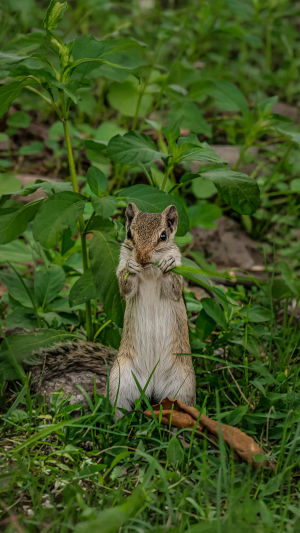
You spot a squirrel on a branch, holding something between its tiny paws, nibbling with full focus as if nothing else matters.
It looks simple, almost routine. But what's actually in that little meal? There is more variety than most people expect. Squirrels are not picky eaters—they're opportunists, always adjusting based on what's available around them.
Once you start paying attention, their eating habits become surprisingly interesting.
<h3>Not Just Nuts</h3>
The classic image is a squirrel with a nut, and yes, nuts are a major part of their diet. Acorns, walnuts, hazelnuts—these are staples because they're easy to store and packed with energy.
But that's only part of the story. Squirrels also eat seeds from pinecones, which they skillfully peel apart, leaving behind scattered fragments that often mark their presence. If you ever see a pile of chewed cone scales under a tree, a squirrel has likely been there.
They don't just eat what's convenient—they choose foods that can sustain them over time.
<h3>Fruits, Flowers, and More</h3>
When nuts aren't enough or are out of season, squirrels expand their menu. They go for fruits, especially ones that are soft and easy to bite into. Apples, berries, and even fallen fruit from trees become quick meals.
They also nibble on flowers and tender plant shoots. It's not random—these parts are often rich in nutrients that support growth and energy.
Sometimes, they even sample tree bark. It might sound unusual, but the inner layer contains moisture and minerals that can be useful, especially in dry conditions.
<h3>Surprising Additions</h3>
Here's where things get less predictable. Squirrels are mostly plant-focused, but they won't ignore other food sources if the opportunity appears.
1. They may eat insects for extra protein
2. Occasionally, they take small bird eggs if found
3. They might explore human food scraps in urban areas
This flexibility is what helps them survive in so many different environments. They don't rely on a single food type—they adapt quickly.
<h3>The Art of Storing Food</h3>
One of the most fascinating habits isn't just what squirrels eat, but how they prepare for later. They gather and hide food in multiple spots, a behavior known as caching.
Instead of putting everything in one place, they scatter their storage. This reduces the risk of losing all their food at once. Interestingly, they don't always recover every hidden item.
Some forgotten seeds eventually grow into new plants, making squirrels quiet contributors to their surroundings.
<h3>Eating as a Daily Routine</h3>
Squirrels don't sit down for structured meals. They eat in short bursts throughout the day, always alert, always ready to move. You'll often see them pause mid-meal, look around, then continue once they feel safe.
Their front teeth never stop growing, which is why constant chewing is essential. Every bite helps keep those teeth in check.
In the end, a squirrel's diet is less about specific foods and more about awareness. They eat what's available, adjust when needed, and always think a step ahead.
Next time you see one holding a small snack, it's not just eating—it's practicing a survival strategy shaped by instinct and environment.


