

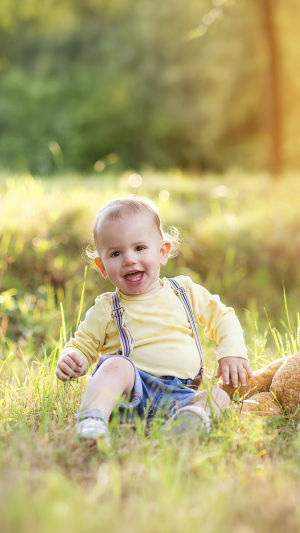
Across many families around the world, there is a shared concern: how much time should babies spend outdoors? Some caregivers worry about weather changes, comfort, or routine, so babies may stay indoors for long periods.
However, in early childhood development, regular outdoor exposure plays an important role in helping babies grow physically, mentally, and socially. It is not just about movement, but about learning through real-world experiences.
<h3>Social awareness and interaction</h3>
When we take babies outside, they naturally observe people beyond their family circle. This exposure helps them become familiar with different faces, voices, and behaviors. Even without direct communication, babies learn through observation.
Over time, these small experiences support early social awareness. Babies begin to understand that the world includes many different people, not just familiar caregivers. This helps build comfort in new environments and supports early communication skills in a natural way.
<h3>Physical growth and strength</h3>
Outdoor environments provide fresh air and natural light, both essential for healthy physical development. Sunlight supports vitamin D synthesis, which is crucial for growth and skeletal strength.
When babies are outside, they also move in more varied ways. Whether being carried, sitting upright, or slowly exploring safe spaces, their muscles and coordination are gently activated. These small movements contribute to better balance and physical control over time.
Fresh air also supports breathing comfort and helps babies adapt to different environmental conditions, which can strengthen overall resilience.
<h3>Brain stimulation and learning</h3>
The outdoor world is full of changing stimuli such as light, sound, motion, and texture. These elements provide rich sensory input that supports brain development during early childhood.
“Infants and toddlers are very sensory learners. Babies will often look intently at an object, hold it, shake it, taste it, and smell it as they explore something (or someone).” — Outside Time for Infants and Toddlers.
Babies learn by observing patterns, reacting to sounds, and noticing movement. For example, leaves moving in the wind or shadows changing throughout the day can all stimulate curiosity.
During the first three years of life, the brain develops rapidly. Outdoor experiences help create stronger neural connections by offering diverse and dynamic learning environments that indoor spaces cannot fully replace.
<h3>Visual development and eye health</h3>
Early childhood is an important stage for visual development. Babies are born with developing vision systems that gradually adjust as they grow.
Natural outdoor light, when experienced indirectly (not looking directly at the sun), helps support healthy eye activity. It encourages the eyes to adjust between different distances and lighting conditions, such as looking at nearby objects and distant scenery.
This variety of visual input helps train focusing ability and supports balanced eye development during early growth stages.
<h3>Sleep rhythm and feeding patterns</h3>
Outdoor activity can also support daily routine stability. When babies spend energy exploring or moving outdoors, their bodies naturally shift toward rest afterward.
This often helps improve sleep patterns, making rest periods more consistent. At the same time, physical activity can support healthy appetite development, as babies tend to feel more ready for feeding after active time.
A balanced rhythm of activity and rest helps create a more stable daily cycle, which is important for overall growth.
<h3>How to make outdoor time meaningful</h3>
Not every outing provides the same developmental value. The quality of outdoor time matters more than simply going outside.
Natural environments such as parks, open walkways, or safe outdoor spaces offer richer sensory experiences compared to indoor areas. Babies benefit from real-world changes in light, sound, and movement.
It is also important not to keep babies in a fixed position for too long. Allowing gentle movement or holding them in a way that lets them observe surroundings more freely improves engagement.
Encouraging safe exploration is key. Babies learn best when they can observe, react, and explore at their own pace within a secure environment.
<h3>Suggested daily routine</h3>
A practical approach is to aim for around two hours of outdoor exposure per day when possible. This can be divided into shorter sessions, such as morning and afternoon.
Short and consistent outdoor time is often more effective than occasional long outings. It helps babies gradually adapt to environmental changes while maintaining comfort and routine balance.
<h3>Safety and preparation</h3>
Before going outdoors, preparation is essential. Choosing appropriate clothing based on weather conditions helps maintain comfort. Ensuring hydration needs are met and selecting safe environments are also important.
We should always be mindful of surroundings and make sure babies are protected while still allowing them to explore freely. A well-prepared outing creates a smoother and more enjoyable experience.
<h3>A Simple Habit with Big Impact</h3>
Lykkers, outdoor time for babies is a simple daily habit, but its impact on early development is significant. It supports physical growth, brain stimulation, social awareness, and healthy routines all at once.
Instead of focusing on how far or how long, what truly matters is consistency and quality of experience. Every short outdoor moment can become a small step in a baby’s growth journey.
So here is a question for reflection: how can we make today’s outdoor time a little more meaningful for the babies around us?


