

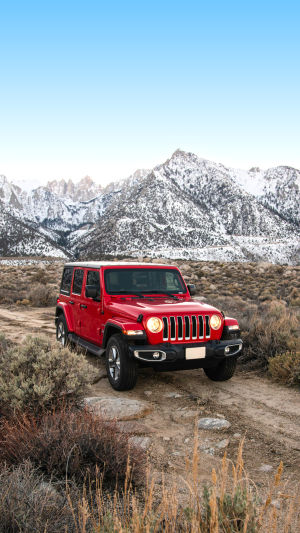
The road ends, the terrain turns unpredictable, and suddenly your vehicle's performance depends less on engine power and more on what's touching the ground.
Off-road driving is not just about capability—it's about choosing the right tires for the conditions ahead.
A well-chosen tire can mean the difference between smooth progress and getting stuck within minutes.
<h3>Understand Terrain First</h3>
Before looking at tire models, define where you actually drive. Off-road tires are designed with specific environments in mind, and using the wrong type reduces both efficiency and control.
<b>Common terrain categories include:</b>
<b>Mud</b> — deep, soft ground requiring aggressive tread
<b>Sand</b> — loose surfaces needing flotation and wide contact
<b>Rocks</b> — uneven terrain demanding strong sidewalls
<b>Mixed trails</b> — combination of dirt, gravel, and occasional obstacles
Matching tire type to terrain is the foundation of good selection.
<h3>Choosing the Right Tire Type</h3>
Off-road tires are generally divided into three main categories, each with distinct characteristics.
<b>All-Terrain (A/T)</b>
Balanced for both road and trail use. Offers moderate grip off-road while maintaining comfort and lower noise on paved surfaces. Ideal for daily driving with occasional off-road trips.
<b>Mud-Terrain (M/T)</b>
Features deep, widely spaced tread blocks that clear debris effectively. Provides strong traction in loose or slippery conditions but can be louder and less efficient on highways.
<b>Hybrid Terrain</b>
A blend of A/T and M/T designs. Offers improved off-road performance without sacrificing too much on-road comfort.
Choosing between these depends on how often you leave paved roads.
<h3>Tread Pattern and Depth Matter</h3>
Tread design directly affects traction. Deeper and more aggressive patterns improve grip in challenging conditions but may reduce smoothness on regular roads.
<b>Key tread considerations:</b>
<b>Large voids</b> — help expel mud and debris
<b>Block edges</b> — improve grip on uneven surfaces
<b>Siping (small cuts)</b> — enhances traction on wet surfaces
For frequent off-road use, deeper tread patterns are generally more effective.
<h3>Sidewall Strength and Durability</h3>
Off-road environments often include sharp rocks and rough surfaces. A strong sidewall protects the tire from damage and allows for lower pressure driving when needed.
Look for reinforced sidewalls designed for rugged use. These provide better resistance against punctures and improve overall durability.
<h3>Size and Clearance Considerations</h3>
Larger tires can improve ground clearance and traction, but they must fit your vehicle properly. Oversized tires without proper adjustments can cause rubbing or affect handling.
<b>Important factors include:</b>
<b>Wheel well space</b> — ensure adequate clearance
<b>Suspension setup</b> — may require modification for larger tires
<b>Speed and fuel efficiency</b> — larger tires can slightly impact both
Choosing the right size is a balance between performance and compatibility.
<h3>Tire Pressure and Flexibility</h3>
One of the advantages of off-road tires is the ability to adjust pressure based on terrain. Lower pressure increases the contact area, improving grip on sand or rocks.
However, pressure should be managed carefully. Too low can risk damage, while too high reduces traction.
Understanding pressure adjustment is as important as selecting the tire itself.
<h3>Budget vs Performance</h3>
Off-road tires vary widely in cost. Premium options often include advanced materials and longer lifespan, while budget choices may wear faster or offer less durability.
When deciding, consider how frequently you drive off-road. Occasional use may not require top-tier options, while regular off-road driving benefits from higher-quality construction.
A smart investment aligns with actual usage rather than appearance alone.
<h3>Confidence Comes from the Ground Up</h3>
Off-road driving is unpredictable, but your tire choice doesn't have to be. By understanding terrain, tread design, and structural features, you can select tires that match your driving style and environment.
When the path gets rough, it's not horsepower that keeps you moving—it's the grip beneath you that makes all the difference.


