

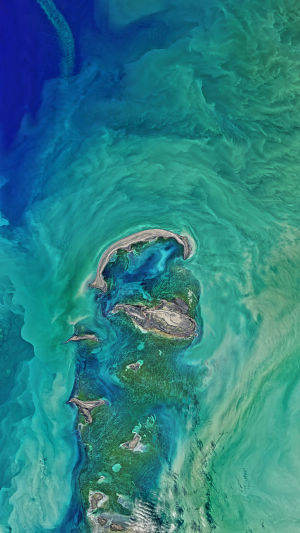
Is it a sea or is it a lake?
This question has baffled geographers for centuries. The Caspian Sea is the largest enclosed inland body of water on Earth, possessing a surface area larger than many countries.
Stretching across the horizon like a vast, salty mirror, it is a world of shimmering coastlines, ancient oil rigs, and prehistoric fish that look like something out of a fantasy novel. Bordered by five distinct nations, this basin offers a unique blend of semi-arid deserts, lush forests, and futuristic skylines that rise directly out of the water.
Caspian Sea
<h3>A Geographical Mystery</h3>
The Caspian Sea occupies a deep depression in the Earth's crust. It is roughly one-third as salty as the ocean, making its water feel different against the skin. Because it has no natural outlet to the world's oceans, its water level is entirely dependent on the evaporation rate and the inflow from major rivers like the Volga. This isolation has created a unique ecosystem where evolution has taken a different path.
One of the most famous residents of these waters is the Beluga sturgeon, a massive fish that can live for over a hundred years. This region is the primary source of the world's most expensive delicacies, specifically sturgeon roe. Beyond the biology, the sea floor holds one of the world's largest reserves of oil and natural gas, fueling the rapid modernization of coastal cities like Baku, where the architecture now rivals that of Dubai.
<h3>Exploring the "City of Winds"</h3>
Baku, the capital of Azerbaijan, is the primary gateway for those wanting to experience the Caspian. The city's "Boulevard" is a massive promenade that stretches for kilometers along the shoreline. Here, you can watch the sunset over the Caspian while the Flame Towers glow in the distance. The contrast between the UNESCO-listed Old City and the ultra-modern Heydar Aliyev Center is startling.
The Caspian coast is also famous for its "mud volcanoes." Over 300 of these natural wonders are scattered along the shoreline. Instead of hot lava, these vents bubble with cold, gray mud that is rich in minerals. Visiting these sites feels like walking on the moon, as the cracked, grayish earth extends as far as the eye can see, punctuated by the rhythmic "pop" of gas bubbles escaping the sludge.
<h3>Essential Visitor Logistics</h3>
Traveling around the Caspian requires some logistical planning, particularly regarding visas and transport between coastal nations.
<b>Practical Travel Information:</b>
1. Transportation: The Heydar Aliyev International Airport (GYD) in Baku is the central hub. Flights from Europe or the Middle East typically range from $350 to $600. Within the city, the metro system is incredibly cheap, costing less than $0.30 per ride.
2. Opening Hours: Public promenades and parks along the sea are open 24/7. Museums and cultural centers typically operate from 10:00 AM to 7:00 PM.
3. Admission Prices: Most beaches are free to access. A visit to the Gobustan National Park and the Mud Volcanoes usually costs around $60 for a guided day trip.
4. Activity Costs: Boat tours of the Baku Bay cost approximately $5 for a 30-minute ride. Private yacht charters can reach $150 per hour.
5. Accommodation Options: Baku offers a range of stays. Mid-range hotels like the Winter Park Hotel cost about $90 to $130 per night. Luxury seaside resorts, such as the Four Seasons Baku, range from $350 to $550 per night.
<h3>The Culinary Soul of the Caspian</h3>
The food of the Caspian region is a celebration of fresh ingredients and aromatic herbs. Because the sea provides a bounty of sturgeon and whitefish, seafood is a staple. A must-try dish is "Levengi," where fish or poultry is stuffed with a rich paste made of crushed walnuts, onions, and pomegranate molasses, then slow-roasted in a traditional clay oven.
Saffron-infused rice, or "Plov," is the center of every feast. Unlike other versions of this dish, Caspian Plov often keeps the ingredients separate, allowing the delicate flavor of the long-grain rice to shine. To accompany your meal, try the local black tea served in pear-shaped "Armudu" glasses, often paired with "Pahlava"—a sweet, layered pastry filled with nuts and honey.
<h3>Safety and Seasonal Planning</h3>
The Caspian region experiences extreme seasonal shifts. Summer (July and August) can be intensely hot, with temperatures often exceeding 40°C. The best time to visit is during the late spring or early autumn when the breeze from the sea makes exploring the coastal trails a delight. It is important to note that while the water is tempting, visitors should only swim at designated beaches to avoid the strong currents and industrial zones near the oil fields.
The Caspian Sea is a bridge between continents and a repository of natural wealth. From its mysterious fluctuating water levels to the glittering towers of its modern ports, it offers a travel experience that is both rugged and refined. Whether you are trekking through mud volcanoes or dining on the finest seafood in a luxury lounge, the Caspian remains a timeless frontier that continues to shape the history of the regions it touches.


