

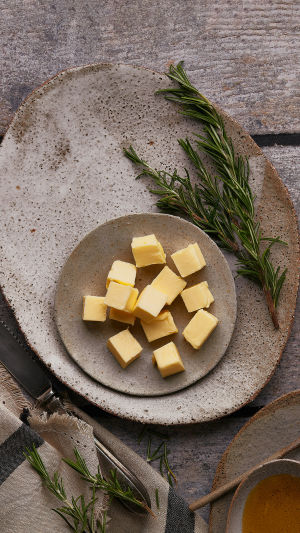
Cheese is one of the most beloved foods in the world, with a history dating back thousands of years.
Whether it's melted over pizza, paired with beverages, or enjoyed on its own, cheese offers a variety of flavors, textures, and aromas that make it a culinary delight. From creamy Brie to sharp Cheddar, the diversity of cheese is endless, and its versatility in cooking is unmatched. But what makes cheese so special? And how can you explore this timeless food in all its glory?
<h3>The History of Cheese: A Tradition of Craftsmanship</h3>
The origins of cheese can be traced back to ancient civilizations. The earliest evidence of cheese-making comes from archaeological finds in Mesopotamia, where people began to ferment milk around 5,000 years ago. The process of curdling milk and separating the solids from the liquids was discovered independently in various cultures, including the Egyptians, Greeks, and Romans.
Over time, cheese-making evolved into a fine art, with different regions developing their own methods and unique flavors. In the Middle Ages, monasteries in Europe played a significant role in refining cheese-making techniques, and many of the cheeses we know today, like Gouda, Parmesan, and Roquefort, originated in this period.
<h3>Cheese Varieties: From Soft to Hard</h3>
Cheese comes in a vast array of types, each with its distinct characteristics. Understanding the different categories can help you appreciate the complexity and beauty of this versatile food.
<b>1. Soft Cheeses:</b>
Soft cheeses are creamy and delicate, often enjoyed fresh or ripened for a short time. Famous examples include Brie, Camembert, and Ricotta. These cheeses are typically made from cow, goat, or sheep's milk and are perfect for spreading on crackers or pairing with fruits.
<b>2. Semi-Hard Cheeses:</b>
Semi-hard cheeses like Gouda, Gruyère, and Havarti have a firmer texture while still maintaining a creamy interior. These cheeses are great for melting and are commonly used in sandwiches or as part of a cheese board.
<b>3. Hard Cheeses:</b>
Hard cheeses like Parmesan, Pecorino Romano, and Manchego are aged for longer periods, resulting in a firm texture and intense flavors. These cheeses are often grated over pasta, salads, or soups, adding a savory and umami-rich punch.
<b>4. Blue Cheeses:</b>
Blue cheeses, such as Roquefort, Gorgonzola, and Stilton, are known for their distinctive blue veins and bold flavors. These cheeses are made by introducing mold cultures, giving them a sharp, tangy taste. Blue cheeses are perfect for pairing with fruits, nuts, or in salads.
<h3>The Cheese-Making Process: From Milk to Masterpiece</h3>
Cheese-making is a delicate process that requires skill, patience, and attention to detail. While each type of cheese has its unique method of production, the basic steps are relatively similar.
<b>1. Milk Selection:</b>
The first step in making cheese is selecting the milk. It can be sourced from cows, goats, sheep, or even buffalo. The quality of the milk plays a crucial role in the final flavor and texture of the cheese.
<b>2. Curdling the Milk:</b>
The milk is heated and combined with rennet or an acid to curdle it. This separates the liquid whey from the solid curds. The curds are then cut into small pieces to help them expel more whey.
<b>3. Pressing and Salting:</b>
Once the curds have been separated, they are pressed to remove excess whey and form a solid block. Salt is then added for flavor and to help preserve the cheese.
<b>4. Aging:</b>
Aging is a critical step in developing the flavor of the cheese. Some cheeses are aged for only a few weeks, while others can be aged for several months or even years. The aging process affects the texture and flavor, with older cheeses typically being drier, firmer, and more intense in flavor.
<h3>Pairing Cheese: Enhancing the Experience</h3>
Cheese is incredibly versatile when it comes to pairing. Whether you're creating a cheese board for guests or simply enjoying a snack, the right pairing can elevate the experience. Here are some popular pairings:
<b>1. Beverages:</b>
Certain beverages complement cheese beautifully. Strong cheeses like aged Cheddar pair well with dark, robust beverages such as dark drinks, while lighter varieties like Brie work well with lighter, crisp options like sparkling water or cider. Sweet options, like Port or dessert beverages, are perfect with blue cheeses.
<b>2. Fruits and Nuts:</b>
Fresh fruits like grapes, apples, and pears add a refreshing contrast to the richness of cheese. Dried fruits like figs and apricots, as well as nuts like almonds and walnuts, add texture and sweetness to your cheese plate.
<b>3. Breads and Crackers:</b>
Cheese goes beautifully with a variety of breads and crackers. Crusty baguettes, rye bread, or even simple crackers provide a crunchy contrast to creamy or tangy cheeses.
<h3>Cheese Around the World: Global Delights</h3>
Cheese is enjoyed worldwide, and every region has its own traditional varieties and ways of incorporating cheese into their cuisine. From Italy's Parmigiano-Reggiano to France's Brie, from Spain's Manchego to Switzerland's Emmental, the diversity of cheese is a testament to the rich cultural heritage of each country.
In Greece, Feta cheese is a staple, often crumbled over salads or incorporated into savory dishes like Spanakopita. In the Netherlands, Edam and Gouda are beloved cheeses that have become internationally recognized. And in the UK, Cheddar is not only a favorite cheese but also an essential ingredient in dishes like the traditional Ploughman's lunch.
<h3>Conclusion: The Timeless Pleasure of Cheese</h3>
Cheese is more than just a food—it's an experience. Whether you're savoring a bite of creamy Brie or enjoying a sharp slice of aged Gouda, cheese offers an endless variety of flavors, textures, and culinary possibilities. From its ancient origins to its place in modern cuisine, cheese continues to bring joy to people around the world. So, the next time you reach for a wedge of your favorite cheese, take a moment to appreciate the craftsmanship, history, and complexity behind this timeless delight.


