

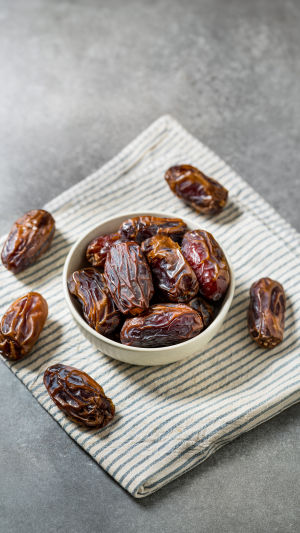
Picture a tall palm rising from golden sand, its clusters of deep amber fruit hanging under the sun.
Dates, often called the “desert fruit,” have been a vital food source for thousands of years. Naturally sweet, nutrient-dense, and easy to store, they have supported travelers, traders, and desert communities across harsh environments where fresh food is limited. Today, they are enjoyed worldwide as both a natural sweetener and a functional snack packed with energy.
<h3>What Makes Dates Special?</h3>
Dates are the fruit of the date palm tree, thriving in hot, arid climates. Their texture can range from soft and caramel-like to slightly firm and chewy, depending on the variety and ripeness stage. What makes them particularly remarkable is their natural sugar content combined with fiber, minerals, and antioxidants.
Unlike many processed sweet foods, dates provide a slow-release energy effect, making them popular among athletes, hikers, and people looking for natural alternatives to refined sugar.
<h3>Nutritional Profile and Natural Benefits</h3>
Dates are often praised for their dense nutritional composition. While small in size, they contain a wide range of essential nutrients that support daily energy and general wellness.
<b>1. Natural energy source:</b> High in natural sugars like glucose and fructose, making them an efficient energy booster.
<b>2. Rich in fiber:</b> Supports digestion and helps maintain steady energy release.
<b>3. Mineral content:</b> Includes potassium, magnesium, and copper, which contribute to body function balance.
<b>4. Antioxidants:</b> Help protect cells from environmental stress and oxidative damage.
Because of this combination, dates are often used as a quick snack or incorporated into meals for added natural sweetness.
According to registered dietitian Amy Richter, dates provide natural energy, support digestion through their fiber content, and supply essential minerals and antioxidants that contribute to overall health.
<h3>Popular Varieties of Dates</h3>
Not all dates taste the same. Different regions produce distinct varieties with unique textures and flavor profiles.
<b>1. Medjool:</b> Large, soft, and caramel-like with a rich sweetness.
<b>2. Deglet Noor:</b> Semi-dry, slightly firmer, with a mild honey-like flavor.
<b>3. Barhi:</b> Soft and almost creamy when fully ripe, often enjoyed fresh.
<b>4. Zahidi:</b> Drier and more subtle, commonly used in cooking and baking.
Each type suits different culinary uses, from snacking to blending into desserts and energy bars.
<h3>How Dates Are Used in Everyday Food</h3>
Dates are extremely versatile and can be enjoyed in both simple and creative ways. Their natural sweetness makes them a popular ingredient in many kitchens.
<b>1. Natural sweetener:</b> Blended into smoothies, sauces, or spreads as a refined sugar alternative.
<b>2. Baking ingredient:</b> Used in cakes, cookies, and energy bites for moisture and sweetness.
<b>3. Stuffed snacks:</b> Filled with nuts or nut butter for a balanced texture contrast.
<b>4. Salad enhancer:</b> Chopped and added to salads for a sweet contrast to savory ingredients.
Their sticky texture also makes them ideal for binding ingredients in homemade snack bars.
<h3>Traditional and Cultural Importance</h3>
Dates hold deep cultural significance in many regions where they are cultivated. They are often associated with hospitality and generosity, frequently served to guests as a welcoming gesture. In some traditions, they are also used to break long periods without food due to their quick energy release and gentle digestion.
Historically, dates were essential for long desert journeys, providing a compact and durable food source that could withstand heat without spoiling easily.
<h3>Modern Health Trends and Global Popularity</h3>
In recent years, dates have gained global popularity as part of natural and plant-based eating trends. They are commonly found in health food stores, smoothie shops, and gourmet recipes. Their role as a natural sweetener has expanded significantly, especially in recipes that aim to reduce refined sugar intake.
Fitness enthusiasts often use dates before or after physical activity because they provide quick energy along with essential minerals that support recovery.
<h3>Conclusion: A Small Fruit with Big Impact</h3>
From desert survival food to a modern nutritional favorite, dates have traveled through history while maintaining their essential value. Their natural sweetness, nutrient richness, and versatility make them more than just a snack—they are a bridge between tradition and modern healthy living. Whether eaten on their own or blended into recipes, dates continue to prove that simple foods can carry extraordinary power.


