

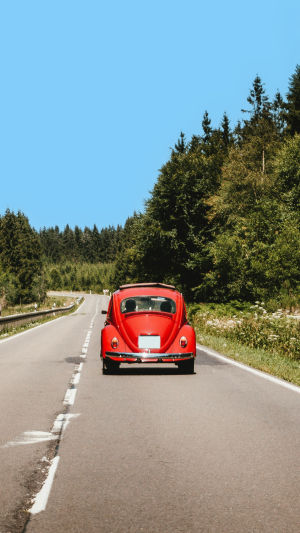
The Volkswagen Beetle, a symbol of automotive history, has etched itself as one of the most beloved and iconic cars in the world.
Designed in the 1930s and reaching its peak popularity in the decades that followed, this compact, round vehicle remains a symbol of simplicity, resilience, and charm.
So, what makes the Beetle so timeless, and why does it still hold a special place in car culture today?
<h3>A Revolutionary Design</h3>
When the Beetle was first designed, it was meant to be an affordable and practical vehicle for everyday families. The round shape and rear-engine design were both innovative and efficient, making it stand out among other vehicles of the time. Its quirky look, paired with the ability to easily navigate urban streets, made it an instant hit. It wasn't just a car; it was a statement of efficiency and reliability.
<h3>Unmatched Durability</h3>
One of the key reasons the Beetle has achieved such a legendary status is its unmatched durability. The car was known for being able to endure harsh conditions, both in terms of climate and terrain. Whether navigating the cobbled streets of Europe or enduring the heat of the desert, the Beetle could handle it all. The simple yet sturdy engineering made it ideal for long-lasting use, with many cars still being driven today—decades after their first production.
<h3>A Symbol of the Times</h3>
The Beetle became much more than a car—it was a symbol of the times. During the 1960s and 1970s, it became associated with youth culture, especially in the United States. The vehicle was a symbol of rebellion and independence, often seen in pop culture, from movies to music.
It resonated with people who sought an affordable, fun car that represented freedom and individuality. The Beetle's place in history as a counterculture icon helped cement its place as a truly unique vehicle in the world of automobiles.
<h3>Global Impact</h3>
While originally designed in Germany, the Beetle made its way into hearts and driveways around the world. In fact, by the 1970s, the Beetle became the best-selling car of all time. Its popularity transcended borders, and it was seen everywhere from suburban America to the streets of South America and beyond. The Beetle's ability to connect with people of various cultures and backgrounds only added to its legacy.
<h3>The Enduring Legacy</h3>
Volkswagen ceased production of the classic Beetle in 2003, marking the end of an era. However, the Beetle's legacy is far from over. Since then, various updated versions have been produced, but the original has remained beloved by collectors and car enthusiasts. Events such as Beetle car shows continue to celebrate its unique design, and the spirit of the original model lives on in the modern world.
The Volkswagen Beetle is more than just a car—it is a cultural icon. With its distinctive design, unbeatable durability, and lasting impact on automotive history, the Beetle continues to inspire people around the world. Whether it's your first car or one you've admired from a distance, the Beetle's timeless appeal makes it a true classic, still admired and loved today.


