

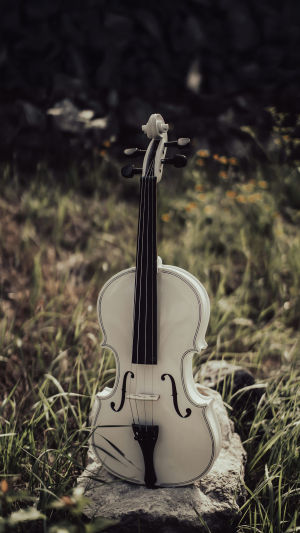
Watching a violinist glide through a complex piece, each note flowing effortlessly, often hides the hours of careful practice behind the scenes.
The elegance of a performance is rarely about talent alone—it is the result of mastering fundamental techniques like posture, bowing, and fingering.
These elements may seem subtle, but they form the foundation of skill, endurance, and expressive power in every violinist's journey.
<h3>Posture: The Foundation of Control</h3>
Posture affects both comfort and sound production. A correct stance allows free movement, prevents fatigue, and supports consistent tone. Players must balance the violin on the shoulder without excessive tension in the neck or jaw.
The left hand should remain relaxed, fingers curved naturally over the fingerboard, while the right arm and elbow maintain fluidity during bowing. Small adjustments in posture can dramatically improve control, especially during long practice sessions or performances.
For example, young learners often benefit from mirror feedback or instructor guidance to develop muscle memory for proper alignment early on.
<h3>Bowing: Shaping Tone and Expression</h3>
Bowing technique determines the clarity, volume, and emotional impact of each note. Proper bow placement, speed, and pressure affect how the strings vibrate.
- Slow, steady bows produce warm, even tones.
- Varying pressure allows dynamic contrast, from soft whispers to powerful accents.
- Smooth transitions prevent harsh or scratchy sounds. Beginners should focus on long, controlled strokes to develop a consistent tone, while advanced players explore subtle variations, such as spiccato or sautillé, to enhance musical expression. Practicing bowing on open strings before adding fingering often helps isolate and refine this critical skill.
<h3>Fingering: Accuracy and Agility</h3>
Finger placement shapes pitch, intonation, and speed. Precise fingering ensures clean, in-tune notes, while efficient finger movement facilitates rapid passages and complex sequences.
- Beginners can use tapes or markers on the fingerboard to learn spacing and placement.
- Intermediate players focus on finger strength, coordination, and smooth transitions between positions.
- Advanced violinists develop agility and dexterity to perform intricate patterns with minimal tension. Finger independence exercises, scales, and arpeggios all contribute to precision, allowing expressive freedom in both practice and performance.
<h3>Integrating Techniques</h3>
Mastering posture, bowing, and fingering individually is essential, but combining them creates true musical control. Coordinating left-hand finger movement with right-hand bowing allows for clean articulation and expressive phrasing. Slow, deliberate practice of challenging passages helps integrate these techniques. Recording and reviewing performances provides feedback on timing, tone, and coordination, while guidance from instructors ensures that habits remain constructive rather than reinforcing tension or errors.
<h3>Practice Strategies for Skill Building</h3>
Consistent, focused practice is key to mastering technique.
- Warm-ups targeting posture and finger strength prepare muscles and joints.
- Sectional practice isolates difficult passages, allowing concentrated attention on challenging rhythms or fingerings.
- Gradual tempo increases improve speed without sacrificing accuracy. Short, frequent sessions often yield better results than extended, exhaustive practice. Keeping a practice journal helps track progress, identify persistent issues, and plan future sessions.
The artistry of a violinist emerges from disciplined attention to posture, bowing, and fingering. These foundational techniques transform effort into fluidity, accuracy, and expressive power. Every hour spent refining these skills strengthens both the body and the ear, nurturing a deeper connection to music.
Approaching each practice session with awareness and intention ensures that technical mastery evolves naturally into expressive, confident performance, allowing every note to resonate with clarity and emotion.


